
The rain starts falling, and there you are standing on a muddy jobsite holding a DeWalt drill. Can this thing hold up to some water? DIYers and contractors working outdoors or in damp basement spaces asks this question all the time.
No one wants to take a chance on ruining their tools by exposing them to moisture. Knowing when to keep your gear dry is every bit as important as knowing how to use it. So is knowing its limitations.
Is it really waterproof, or isn’t it? That depends on what you mean by that word. DeWalt drills aren’t technically waterproof.
How Water Resistant Are DeWalt Drills
Understanding IP Ratings and Water Resistance
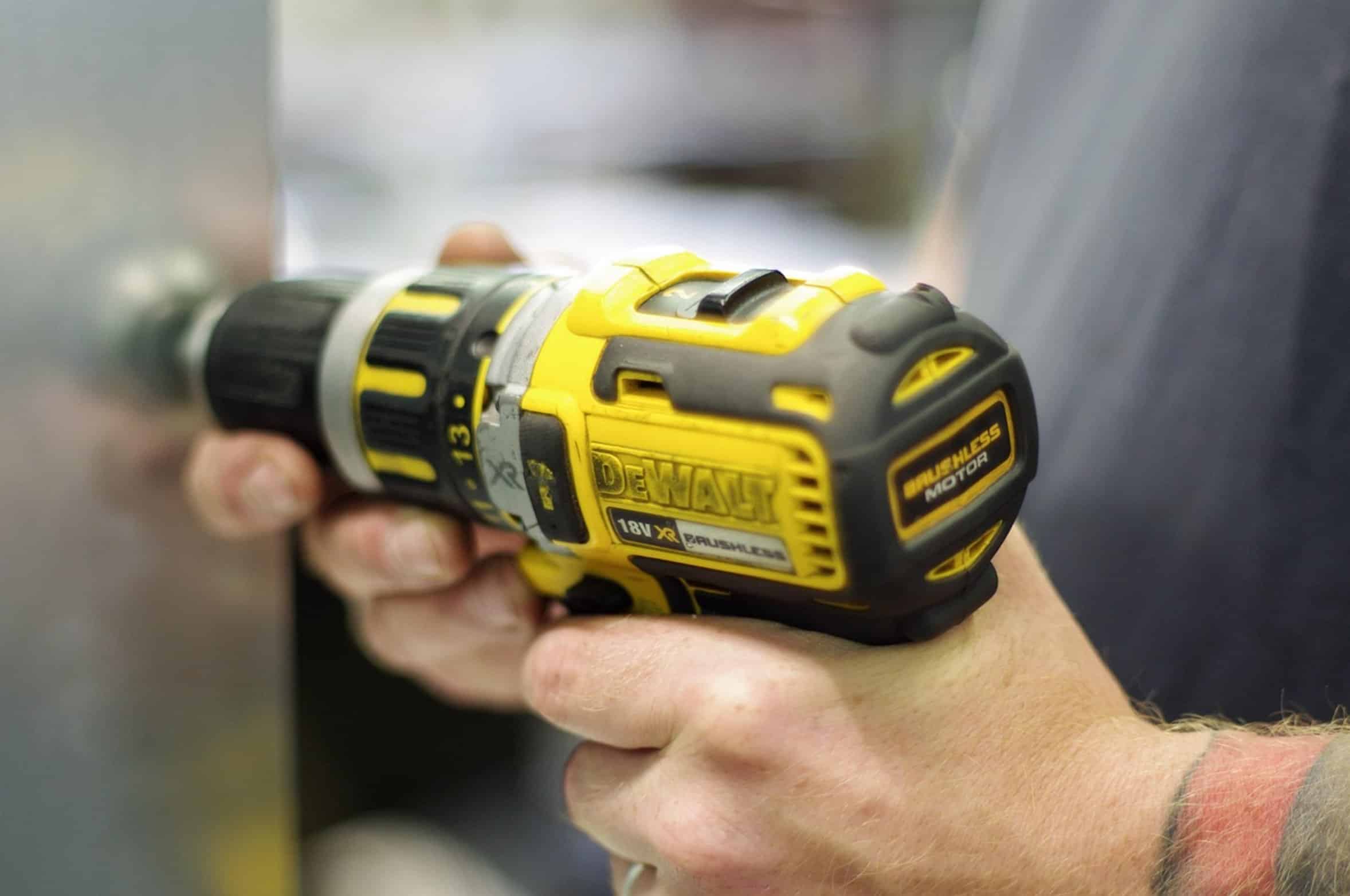
I’m talking about the kind of waterproof that allows for occasional splashes of water or maybe even dust in the works. That’s important if your job takes you outside occasionally in a little bit of rain or you’re working around puddles. As long as you stay within those limits, you’ll be able to get yourself wet without destroying the drill.
But put it in standing water or fully immerse it and things changes considerably. Water damage is nearly always a total write-off, so you want to know exactly what that line is. What does the IP rating tell me?
It will tell you what the tool can absorbs. For example, many of the cordless drills made by DeWalt is marked as IP54 rated. This sounds impressive, but this rating mean something specific.
That 5 in front of the 4 relates to solid particle protection while the 4 represent liquid ingress protection. So with an IP54 rating, the tool will be protected from dust and also splash proof against liquids from all directions. It is not submerged or sprayed with a jet of water.
That is the technical standard you should of follow. I see a lot of people mixing up splash proof with waterproof. That misunderstanding causes lots of destroyed tools each year in field.
Splash means you drop water on it so it runs down, with the water on top. Immersion means water are around it from every side. DeWalt drills is built to survive splashes but not immersion.
So if you set that drill on a wet concrete floor in an area where puddles form, don’t be surprised when it’s toast. Light won’t hurt the seals. Pressure will.
Know the difference and save your investment. When you work outdoors, the weather will test you. Nothing tests you like rain.
Working DeWalt Drills in the Rain
If you’re working on something with a DeWalt drill, light drizzling isn’t usually an issue. As long as it’s moving and in use, the friction of the moving parts warms up the tool and helps evaporate any light precipitation. On the other hand, when it’s really raining, those big water drops has enough mass to penetrate the housing and get inside.
That means water can enter the chuck mechanism and/or the battery connection point. Just in case, duck under cover during a downpour. An umbrella or even a tarp keeps you dry and your tools dry.
Battery Care in Wet Conditions
A little precaution leads to a big payoff. Battery is always the Achilles heel when things get wet. While 20-volt and DeWalt FlexVolt batteries are tough, they’re not bulletproof.
If water gets into the terminal contacts, it will cause immediate shorting. This can kill the battery pack and ruin the drill driver to. Be sure to dry the battery terminals before sliding the battery back into the tool.
If you drop the battery in some water, clean it off well with a dry rag. And don’t try using it again until you know for sure it’s bone dry. In this case, safety comes first.
Drying and Maintaining Wet Tools
To keep your drill working well, make sure you give it a good cleaning when it gets wet. Use a clean, dry rag and wipe off all the water and mud from the outside. Let it sit overnight in a dry warm area so it can air dry.
Avoid using a heat gun or hair dryer to speed up the drying time. All that heat can cause seal and internal component damage. The best bet is letting it dry naturaly which will take longer but won’t hurt anything.
Keeping up on this simple maintenance will extend the lifespan of your DeWalt tools and help them stay reliable for years. For wet applications, DeWalt has a few tools that they make specifically for those tasks. For example, the masonry hammers and their concrete drilling kits is often better sealed.
Choosing Tools for Extreme Conditions
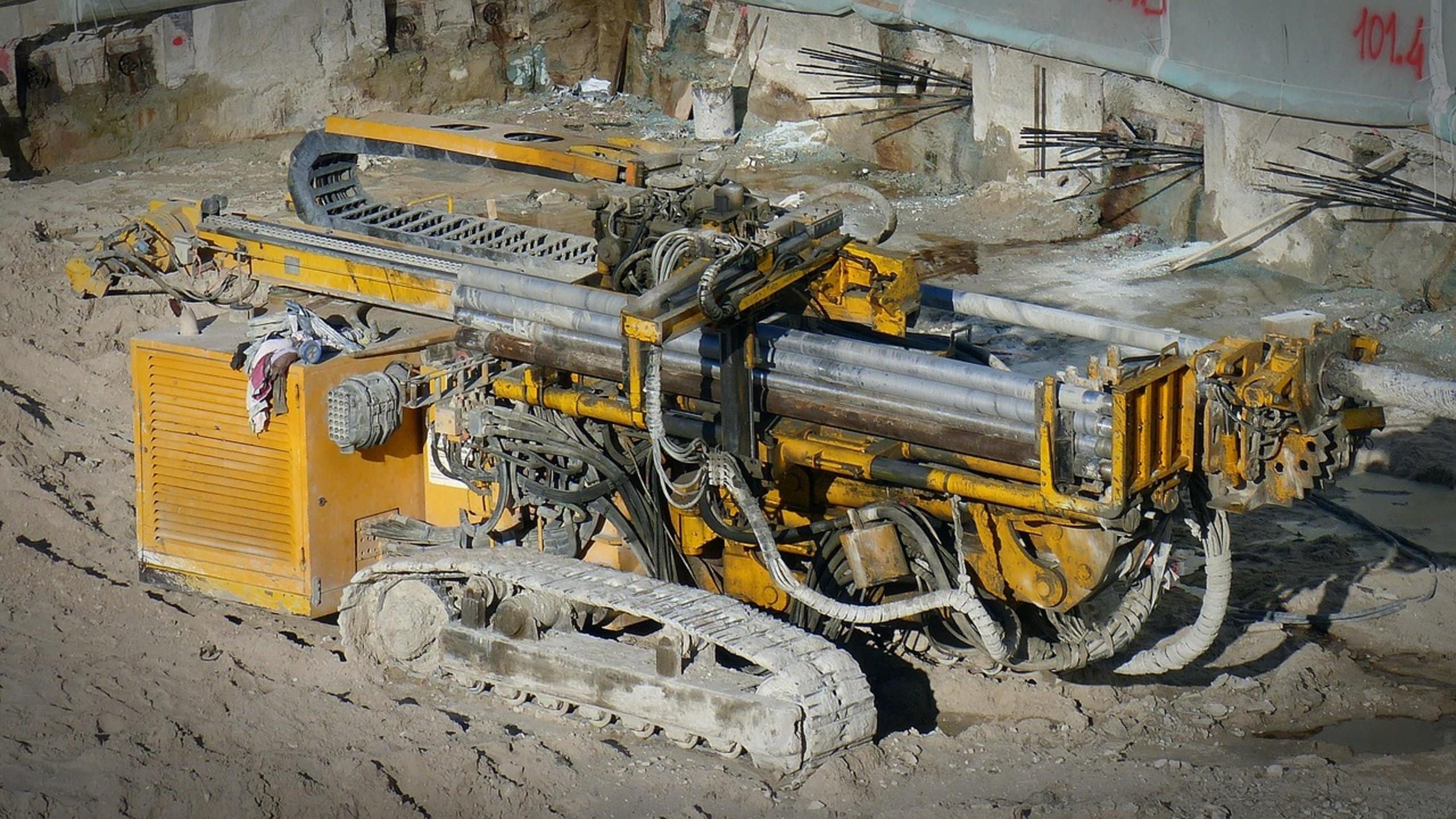
They’re meant to stand up to tougher outdoor jobs different than regular drills. If you find yourself in extreme conditions, look at the specs on whatever drill you’re getting. There are tools out there that is made specifically for professionals.
They’ll last longer and perform better. Specialized tools pay off over time. To conclude.
If you own a Dewalt drill, here’s the bottom line, treat ’em gently in the wet stuff. A little dust and rain won’t hurt it, but don’t get it soaked. When they’re not in use, keep them dry.
If you do get ’em dirty, clean them quickly. The proper care regimen saves money from having to replace or repair drills. Your Dewalt drill is a good friend in the field.
Take care of it, and it’ll take care of you. Keep the water off and the results will be dry.