When a tool fails when it’s most needed, it can throw a wrench into a job. The sun is beating down on your neck and you’ve just lined up your deck joists and you’re on a deadline. You grab your trusty Milwaukee M18 Fuel impact driver and go to town.
Except there isn’t any going. There is just a dull thud. A slip of the bit, a hole without a screw, and suddenly you feel like you should of been using a different tool.
Understanding and Fixing Milwaukee M18 Collet Problems
Understanding the Impact Driver Collet
In this case, it was all about collet. That’s the little piece of metal (it can be either steel or brass) that fits within the chuck and holds the bit securely. It’s small, easily forgotten, and surprisingly fragil.
Most owners assume M18 Fuel line is indestructible because it handles massive torque with ease; therefore, they think it’s bulletproof. The result: trouble. Yes, you have a powerful tool, but the joining of driver to bit is a physical process, not some magic fix.
Misuse, stretch and collet wear typically accounts for failure in impact driver. Knowing what caused the problem won’t just save you cost of the replacement piece; it will also prevent frustration and protect integrity of your work. The M18 Fuel impact driver use a hexagonal shank fit.
Causes of Collet Wear and Deformation
But there are tolerances within that fit. Cheap bits will exceed those tolerances, and using too much force with any bit will also cause problems. And what happens when you exceed tolerances?
The collet starts to deform. It doesn’t suddenly snap like metal. It stretches.
And then it stretches some more. Finally, there is enough stretch to create a tiny gap where the driver and bit meet. To naked eye, your bit looks just like it should be seated.
But in reality, its loose and that looseness results in cam-out, stripped screw heads and deteriorating tools. Many times these bits have been used in previous projects. They might also come from bulk buckets or packs of bits found in hardware stores used by contractors and DIYers.
More often than not, the bits is no longer within spec. They become a tad tapered. They get ground down and turned round at the top where the hex should be.
Or they are made of soft steel that will deform when you hit it with a hammer. Putting an undersized bit in your precision collet is begging for trouble. It forces the collet to stretch past its elastic limit to try and hold onto that poorly fitting bit.
When it gives, it never comes back. And now the grip are gone.
How Heat Affects Clamping Force
Another problem with thermal stress during long periods of use is the heat created by impact drivers, especially when driving long structural screws into thick lumber.
That heat cause the metal parts to expand, such as the chuck and the collet. That in turn reduces clamping force if you really jam on the trigger at the worst possible time. This isn’t because their engineers at Milwaukee have done something wrong.
It’s simple thermodynamics. Letting the tool cool off solves this problem. Just letting the tool rest a moment between long drives keeps the metal from staying expanded.
The Danger of Hammering Bits
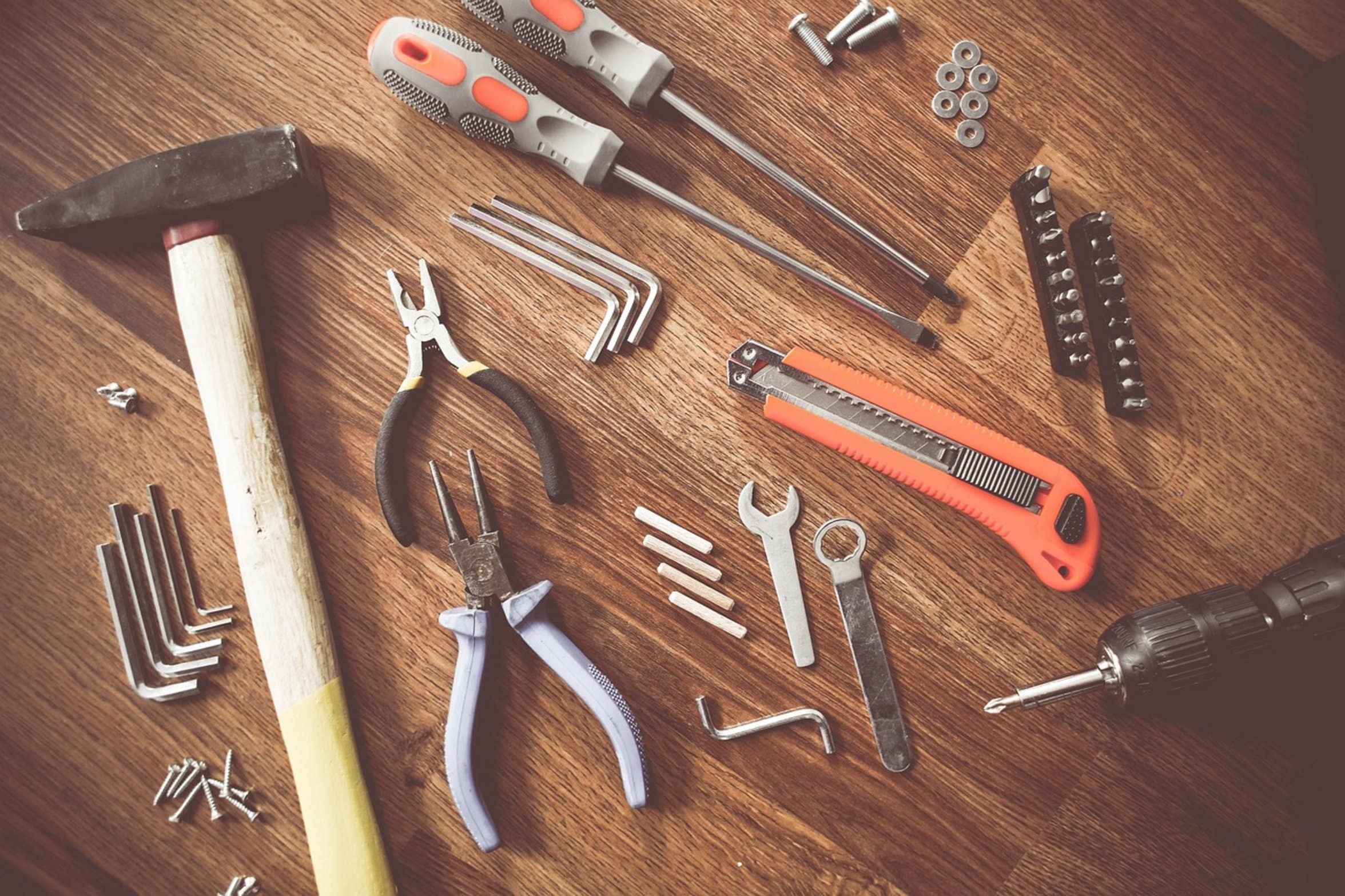
To compensate, some operators applies excessive force and tighten their bits. They’ll pound on the bit with a hammer until they think it’s tight. That hastens wear because striking the bit forces an uneven bite into the collet that will eventually crack the jaws of either steel or brass.
It also deforms the bit, forming burrs that prevent smooth re-insertion. The chuck was designed to rotate but not to handle axial hammer blows. Respecting the tool will serve you well.
Hammering the bit in and out will require constant ordering.
Cleaning the Chuck for Better Grip
As with all delicate tools, proper care also means proper cleaning. Grit, sawdust and drywall dust gets into the chuck jaws.
That junk becomes a spacer and keeps the collet from seating completely on the bit. Think you’ve got a bad bit? Maybe you’ve got a dirty one.
A quick pass with a brush or a quick blast with some compressed air will make it grab again. Many pros don’t bother with this free maintenance step, but you should. A few specks of dust makes the difference between a good driver and a lousy one.
Replacing the Collet and Chuck
If you have the correct replacement, swapping out a tired collet can be a simple fix. Most M18 Fuel models can get replacement chucks from Milwaukee. It’s just a matter of screwing in a couple screw with a little time and patience.
Don’t try to hurry this one. Getting that new chuck lined up properly will make all the difference down the road. Before doing anything though, check with their support if your unit is still under warranty.
If they find that the wear is within reasonable range for the serviced interval, they may cover the replacement. If not, swap in the new chuck and go back to work. It’s still one of the best impact drivers out there.
Tips for Extending Tool Life
No question. It’s fast and powerful. And like all good things, it requires some tender loving care.
Clean the chuck. Don’t use crappy bits. Use quality sharp bits.
Allow the tool to cool down between uses. Don’t force ill-fitting bits into the chuck. All of this goes a long way to extending the life of the tool and collet.
After all, you don’t want to outlive your tools; you want them to outlast your career. Good upkeep makes sure that you’re only slipping on jobsites, your schedule, not your screws. Respect the machine and it’ll return the favor.