Okay, so you’re tight on cash and think you could get away with resurfacing your own brake rotors on a bench drill press at home. Great! The drill press can take some serious torque off the rust.
Why Using A Drill Press For Rotors Is A Bad Idea
Why Drill Presses Are Not for Grinding
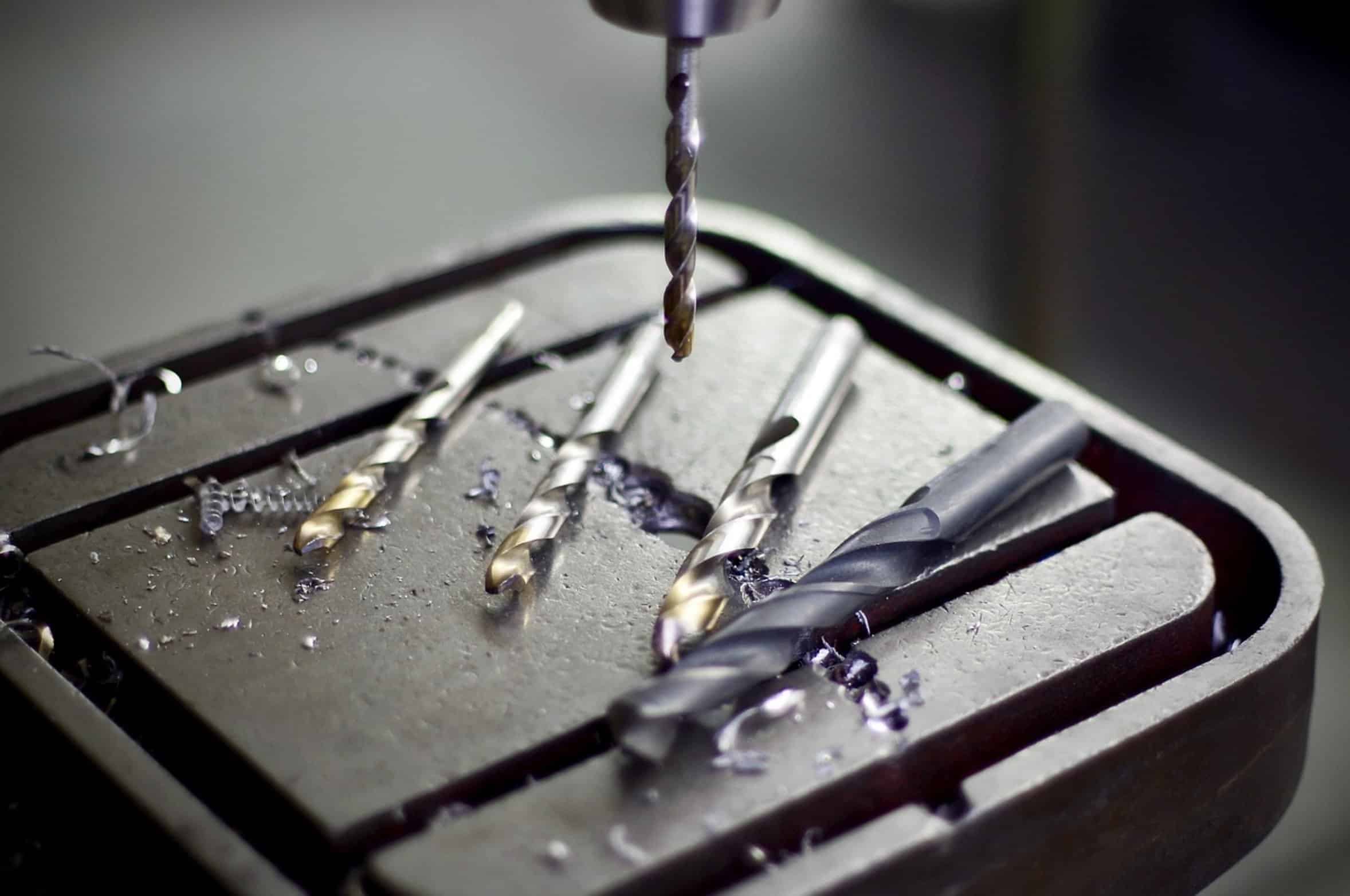
But did you know that a drill press was never intended to do this? It’s made to provide vertical force on small bits, not put up with hours of horizontal drag from a heavy steel disc. Fifteen- to thirty-pound rotors spinning grinding wheels produce quite a bit of lateral forces.
That is a significant problem for drill press spindles. They’re designed with thrust in mind but can’t resist bending moments caused by grinding. You end up with a cantilever load that the machine wasn’t designed to withstand.
Risks of Warped Rotors and Vibration
Balance and runout matter. When you slam on the brakes, the rotors has to bring your car to a halt without causing an accident. The spindle bearing on a typical drill press have play that is acceptable for drilling holes but disastrous for machining surfaces.
That’s fine if you’re drilling holes, not so hot when you’re grinding. Before long, you’ll have a warped rotor vibrating like crazy at 65 mph. Time doesn’t save you money; a bad rotor will cost you more then time.
Safety Hazards and Debris Issues
Secondly there’s safety. Abrasive wheels generate heat, spark, and debris. They’re not designed to be run in an enclosure like a drill press is design for chips and dust.
Drill presses are designed for chips and dust, not for the abrasive slurry produced by grinding. Shrouds will crack under stress, and the chip tray get full quickly. And without a proper guard, your hands will be very close to the rotating abrasive.
A misstep could easily result in sending the grinding wheel into either your fingers or into the quill.
Tooling Compatibility and Alignment Problems
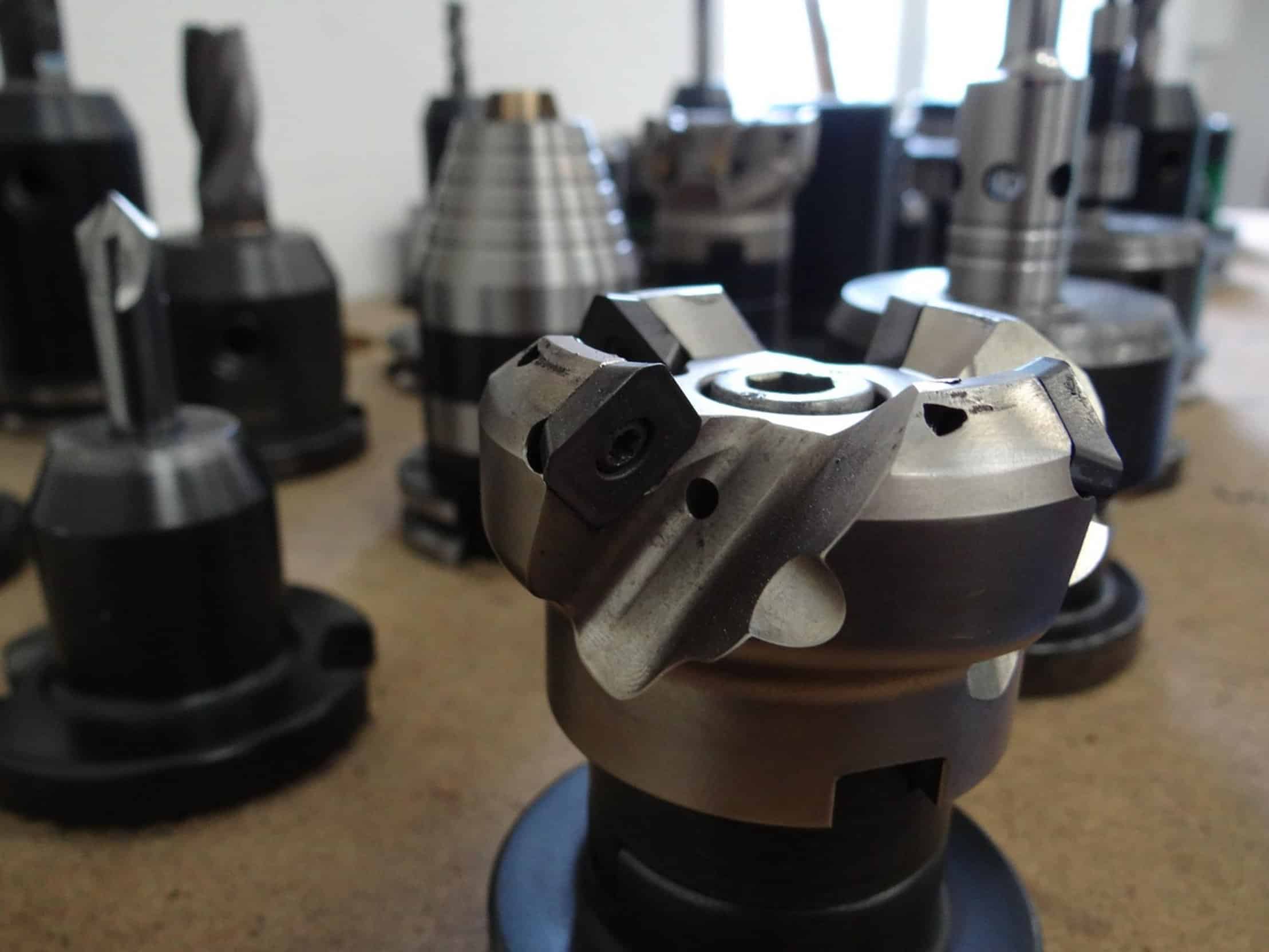
The other issue is tooling compatibility. The proper rotor turners has special chucks that holds on to the hub.
They attach a grinding wheel shaft to a drill press chuck, but it’s hard to align. How do you maintain your grinding angle? You have no rigid fence and must grind by feel.
Uneven Surfaces and Brake Fade
This results in an uneven surface, which lead to premature brake fade. A few tinkerers will tell you they use their heavy-duty drill press for this application. This is because those types of machines has a more rigid frame and a heavier spindle.
Cost Analysis of DIY Resurfacing
Problem is, it’s an investment. And not a good one for an everyday garage shop. You don’t want to risk ruining a five-hundred dollar tool just to save on fifty bucks.
That’s not good math.
Better Alternatives for Home Mechanics
An option exists if you are a do-it-yourselfer at home. If so, purchase a stand-alone rotor resurfacing machine to put in your shop.
These includes safety guards, adjustable arms, and proper chucks. Check out Power Brake, as they sell one of these for not much money that will fit onto your regular workbench and give you the accuracy you need to get it done. Drill presses are great at accurately drilling holes.
Final Safety Recommendations
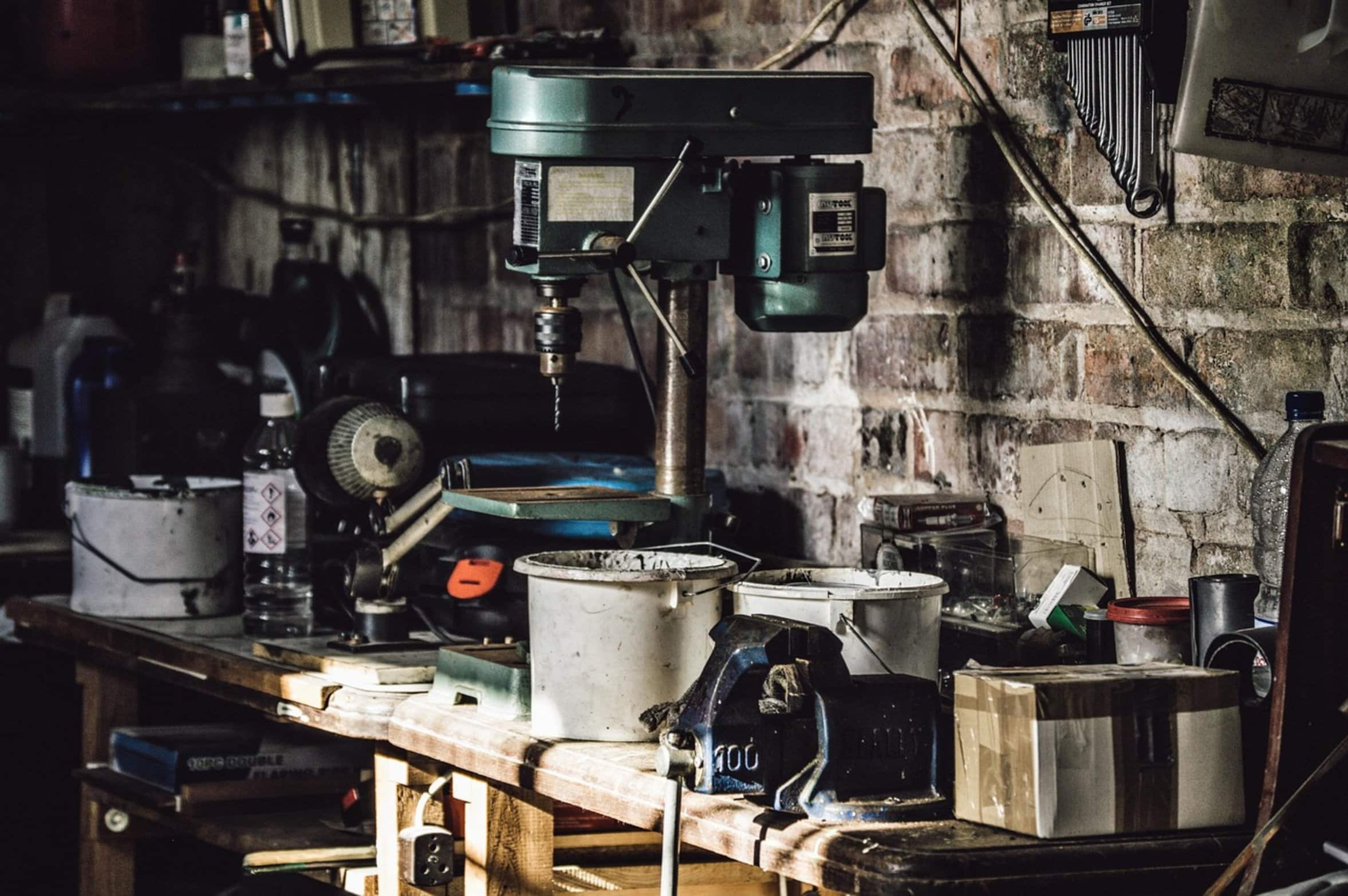
It is not safe to use them to turn a rotor. The force direction is wrong and results can be catastrophic. For both your safety and the protection of your investment you want your drill press doing what it does best.
Letting your drill press turn rotors is not that. Your shop will thank you for making it safer and your brakes will thank you for being smoother.