Sometimes your Skil circular saw stops at the cut line; then it stalls out; panic sets in and you’ve got an expensive piece of lumber that’s now ruined. It’s happened to both weekend builder and experienced framers alike. Panic sets in immediately, and most of the time the remedy isn’t as complicated as running down to buy another tool.
More often than not, it’s because of a simple mistake with how the tool work. But if you know where to look, you’ll see what went wrong. People often assume that a power tool breaking means buying a new one, but with reliable brands like Skil, it is usualy much simpler then replacing the tool.
Skilsaw’s line-up of 12 and 18 volt tools is well made, but you have to treat them with care. If one dies, it typically just tells you what is wrong, maybe a loose wire, maybe a dull blade, maybe a vent clogged up. Try to understand why it quit before heading off to get a new part.
Saving some money on a repair and keeping on schedule with your project are nice. First, check the blade. This gets overlooked more than anything else.
Simple Steps To Fix A Skil Circular Saw
Inspect and Clean the Saw Blade
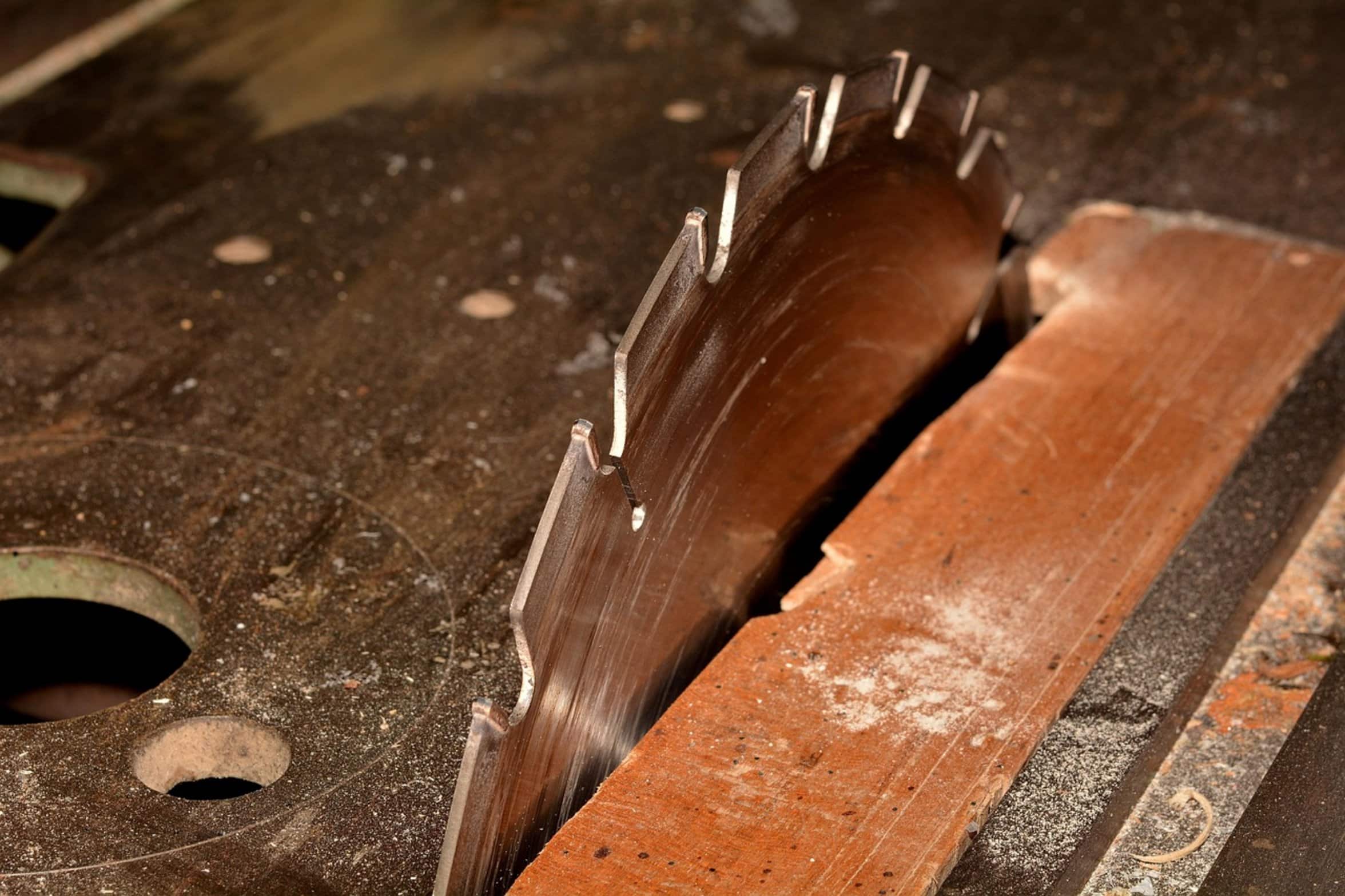
Not only do you want the blade cutting well, forcing the motor to work too hard can cause it to overheat. And if your saw is screaming but hardly biting into the wood, the teeth is probably dull. Next time, look at the plate for pitch build-up (it will make it feel as though you’re applying a brake to the spinning steel).
Using mineral spirits or another solvent, clean the blade. Rounded and hooked teeth mean it’s time for a new blade. It is a cheap solution that provides an instant increase in performance.
Check Carbon Brushes and Power Cord
Intermittent failure (the saw runs sometimes but then won’t) typicaly indicates an issue with brush assembly or power cord. That’s likely going to be a bad connection of some kind, so it’s best to look first at the cord itself (cuts or kinks), and then inside motor housing where the carbon brushes live. The brushes transfers electricity to the rotor and eventually wear down.
When they’re shorter than half their initial length, they’re done and require replacement. In just five minutes, a dead tool can work like new again. Ozone odor indicates electrical arcing…
Not good since it can burn out windings irreversibly. Don’t miss this. Circular saw binding is a quiet saboteur that occurs when the motor can’t overcome the resistance created by forcing it through the cut.
Prevent Binding and Kickback Issues
That’s most often the case when making cuts in plywood and other materials like warped lumber with uneven edges. The solution is to keep the base plate flat on the material throughout the cut. When it begins to twist or lift, the blade pinches and the motor stall.
Clean Anti-Kickback Pawls and Vents
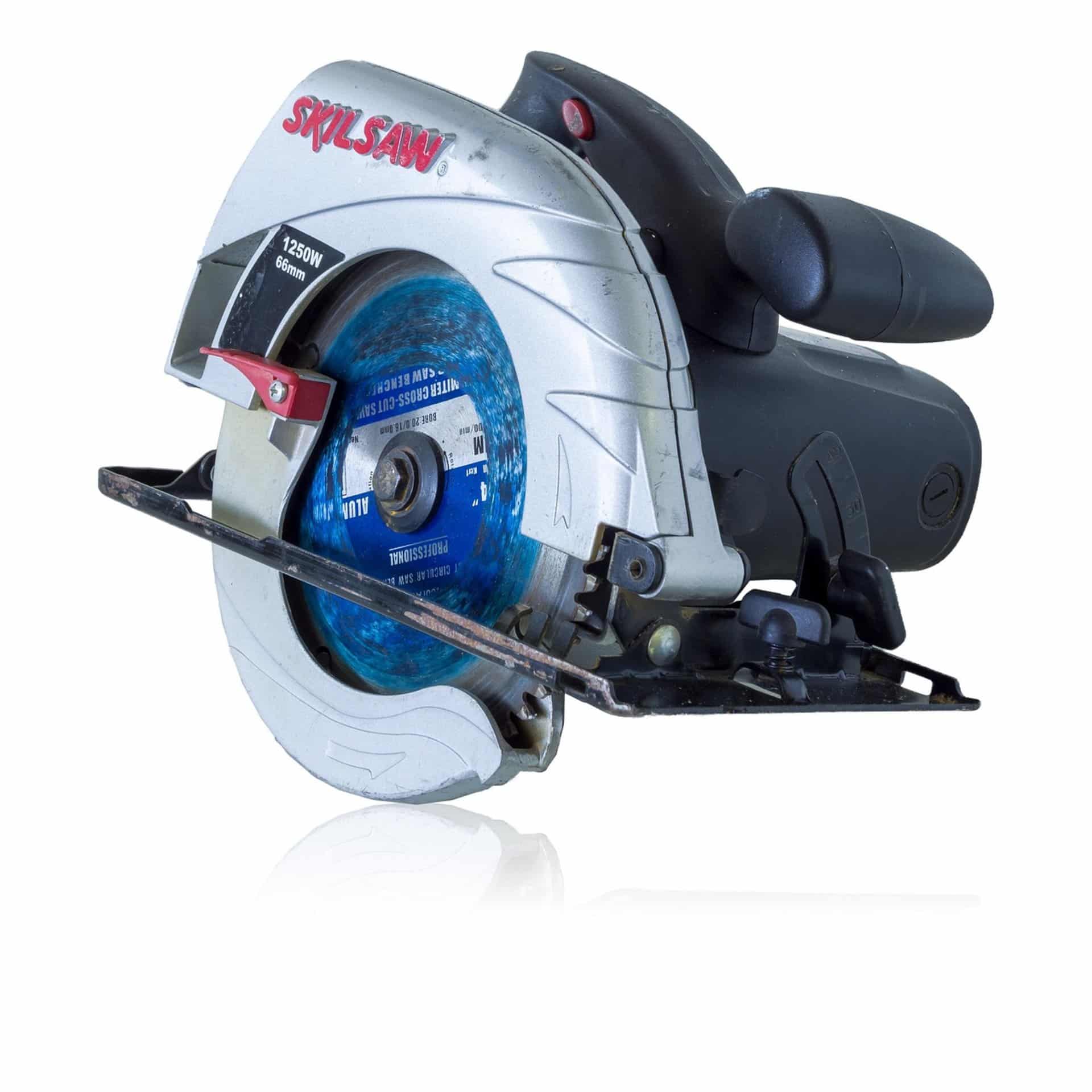
Check the anti-kickback pawls to see if they’re moving freely. Sawdust can pack behind these safety devices and cause them to get jammed up. They’ll usually free themselves with a gentle tap with a screwdriver handle or puff of compressed air.
Prevent jams down the road by keeping the mechanism clean. Another culprit is overheating, especially with cordless Skils. When the motor is under too much load, it will draw power faster and deplete the battery.
Troubleshoot Overheating and Safety Switches
As a safety precaution, the tool simply shuts down. Clearing the side-air-vents on the housing with a leaf blower or compressor blast will eliminate fine dust, which is an insulator that traps heat in the motor casing. Operate the saw in short bursts so the motor cools off between cuts.
That prolongs the life of the electronics while avoiding thermal shutdowns. Sometimes, oddball problems arise due to safety switches. More moddern Skilsaws feature an electronic trigger that senses resistance.
When this gets gunky and sticky from the dirt, the saw will simply shut off mid-cut. Clean the trigger area with a soft, dry cloth and wipe away the gunk. In case of continued issues, you might have a bad switch.
That’s a more complex repair, although most are still warrantied. Never try to look inside if the tool is plugged in. High voltage parts mean no exceptions on safety.
General Maintenance and Safety Tips
Skil troubleshooting requires more than a little skill but not much engineering either. It’s mainly paying attention and being patient. Begin at the blade; go to the electrical connections and lastly think mechanically.
If it won’t work, most things are simple fixes with common tools. Keeping that saw running doesn’t require you to be an engineer. You simply need to know what to watch out for.
It feels great when it’s running like new again. Maintain a spare set of brushes and a good clean blade in your bag. When that next cut comes off perfect, you should of thanked yourself.