There is something special about a clean cut. The blade sinks cleanly into the wood. The clouds of dust float into the air in a well-behaved arc.
And then you have it; a straight edge so perfect it seem unreal. For decades, the circular saw was undisputed king of this particular magic trick. That’s what you reached for when it came time to make a crosscut through a pile of 2×4’s or rip a sheet of plywood in half and make it look good while you’re at it.
This is how Rockwell has always balanced this equation. Build some solid no nonsense tool that don’t cost a second mortgage. And they’ve done just that.
Their lineup of compact circular saws is proof of that ideal. They aren’t trying to replace your big bad ass job site monster. They are trying to be the go to guy in your job van or garage.
The small power tool market is an overcrowded place. On one end you’ve got the high-end guys who make all the right noise but only if you buy into there own ecosystem of batteries. Then there’s the other side: the ones that cost less but feel like it.
So where does Rockwell fit? It is somewhere squarely in the middle. Where you get something that appeals to the weekend warrior as much as it does the professional tradesman.
This review breaks down what ticks with this compact circular saw. How does it handle? How well do cuts holds up?
Are they the kind of tool that gets to stay in the box or are the right combination of capabilities and convenience? It is the sweet spot between convenience and capability. The rubber meets the road in power delivery.
Review of Rockwell Compact Circular Saw
Motor Power and Cutting Performance
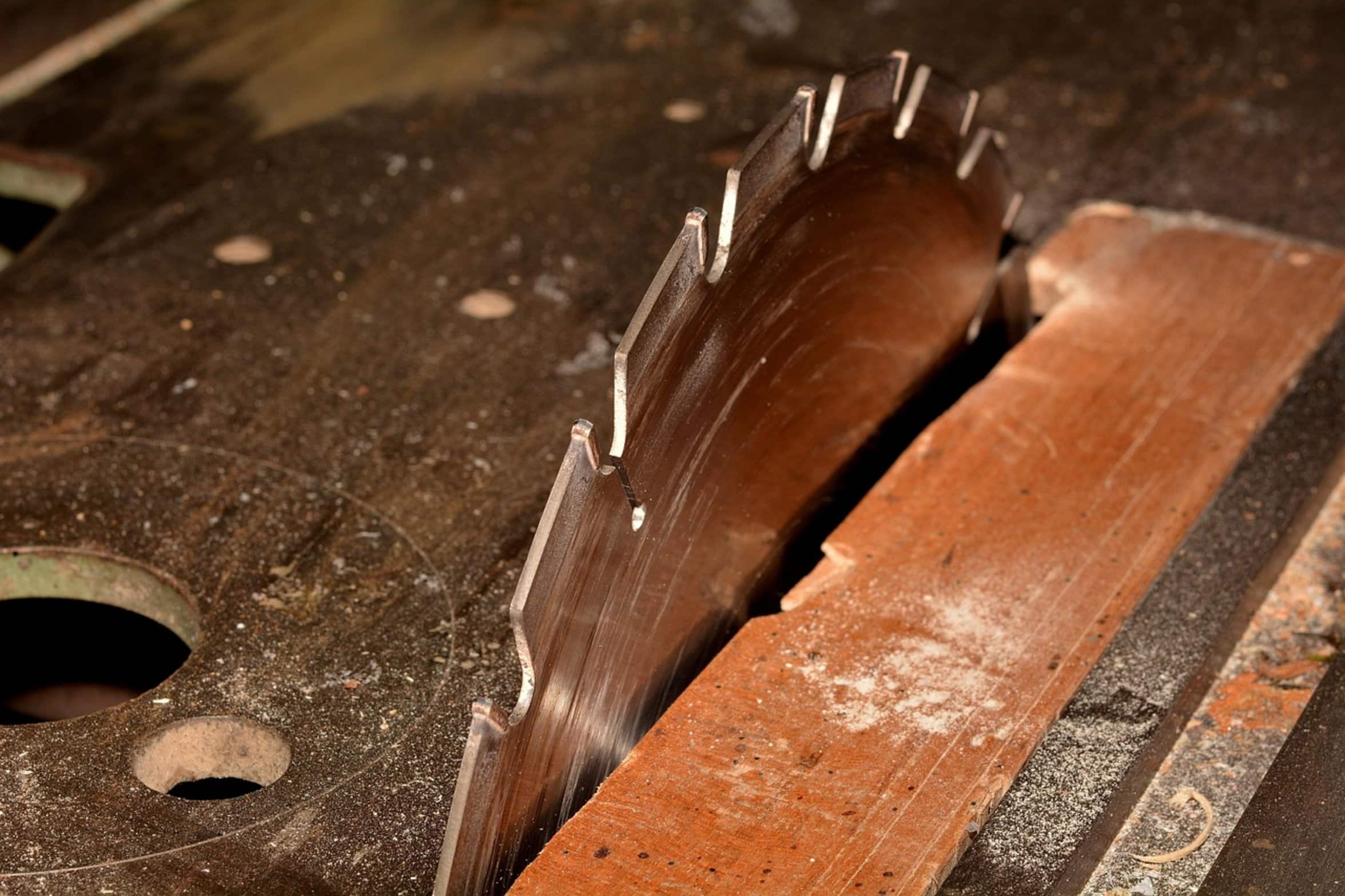
As they say, it’s all about the motor. How well your saw cut depends upon how well it powers the saw. For such small motors on these compact models Rockwell did a great job choosing an equally strong motor.
No, you’re not going to eat through 6 inch steel beams with this thing, but that wasn’t really the goal anyway. The goal was to be able to cut lumber without wasting too much time doing so. Even if you do happen to catch the wood grain while working on dense hardwood, the amp draw will still allow the blade to spin fast enough to get the job done.
The result? Consistency keeps the blade from binding, ruining your cut, and frustrating you. So whether you’re making a cut in pine or oak you can do so with equal confidence because the tool doesn’t bog down.
Just works. This is better then a bunch of extra specs on a datasheet.
Cutting Depth and Bevel Adjustment
This section covers cutting depth.
Most people do not care much about this, but it is really important. Portable saws tend to come with less cutting capacity. Rockwell does well here, offering around two and a half inches at a forty five degree angle which means you can typically cut full thickness two by’s without having to flip them.
That will save time and keep your setup simple. The bevel adjustment works well and secures firm. You won’t have any issue angling your cuts for trimming or framing.
No need to worry that your blade will wander while making a cut. The lock is solid. Set your angle and that’s what it stays at.
This is crucial if you’re doing anything that requires fit.
Ergonomics and Handling
Balance and handling matter when you’re holding one in your hands. A lot of times you’re going to be swinging this saw, often overhead or while standing on a ladder.
These saws were designed by Rockwell to keep the center of gravity low. They feel good in your hand. There’s no fighting between your arm and the tool.
The handle is comfortable and fits your hand well so even after long periods of use, there isn’t as much fatigue. It has a sensitive trigger that locks out for safety too. It’s a small detail, but it prevents accidental starts.
That is not what you want. It’s also nice that because it’s compact, you can get it places a bigger saw won’t fit. That makes the types of projects you’ll do with it more varied.
Visibility and Blade Guard Design
Rockwell also nails visibility of the cut line. The blade guard retracts easily and doesn’t get in the way of your view. There is a clear guide line on the base plate too.
Now you can make an accurate cut each time. Visibility of your work piece can be obscured by dust, but this design minimizes dust build up around the blade area. What you see is what you cut.
And that cuts down on mistakes. A mistake means wasted time and wasted material. Being able to see the line helps you know you’re doing it right, which lets you go faster without compromising accuracy.
It is a small detail, but it makes a big difference when you use it every day.
There are no compromises on safety. Blade guards that retract are nice and I think there is wide variance in how well each one work.
The Rockwell’s retracting blade guard does what it needs to do quickly and effectively. It’s there to protect you when the saw isn’t being used and gets out of the way while being used. There are no flimsy plastic component that look like they will fail.
Durability and Value
The design feels sturdy. Housing is strong enough to absorb a drop from a decent distance. You don’t need to baby this thing.
It was built to be use. That makes your life easier as you work. You won’t worry about breaking something…
You’ll worry about finishing the job. For the money, what you get for it is obvious. This thing is loaded with tools and they don’t nickel and dime you on the basics.
Out of the box, the saw is ready to go. And the design is thought through so well. Whether you are a professional tradesman or just a weekend warrior, this is a solid addition to any shop, whether as a primary tool for lighter tasks or a second saw.
Adequate power? Check. Clean cut?
Check. A tool that won’t break the bank but also doesn’t waste your time? Yep.
It is built to last in a world full of disposable gadgets.