Cinder block walls is tough, right? But they can be surprisingly difficult to attach anything too. Before you know it, you’re grabbing your drill and some concrete masonry screw.
If you don’t mind leaving holes in the wall of your historic or rented house, go for it! But if you’d rather not ruin the masonry, there’s gotta be an easier way. A safer way?
One that doesn’t require breaking out big guns (ahem) if you’re a DIY newbie. There’s no need to go all the way down to ground level every time you want to hold your shelf in place. Shelves can be attached to block walls using hardware that grips existing feature, through friction, or via advanced adhesives that don’t penetrate the surface.
Depending on your texture wall, how much stuff is being held up, and how long you’ll live there, one will work better then another. It’s about working with material, not against it. The most popular non-drilling fix are heavy duty adhesives.
Easy Ways to Hang Shelves Without Drilling
Using Heavy-Duty Adhesives for Cinder Block Walls
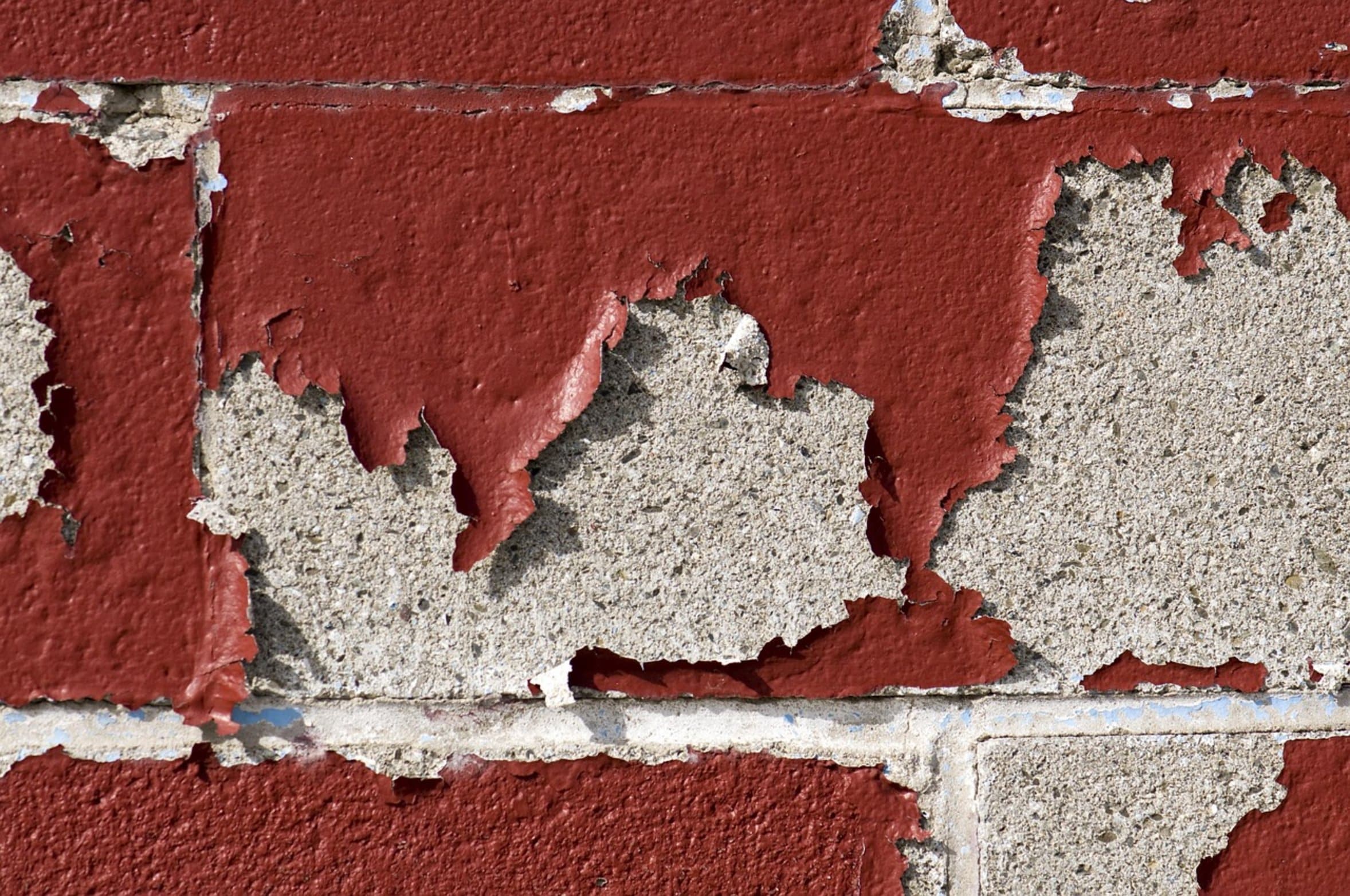
Concrete blocks adheres well to wood, especially if you use product such as Loctite PL Premium or Liquid Nails. The trick is the prep work. Because cinder blocks are porous (and typically dirty), first scrub the wall down, using rubbing alcohol or other degreasing cleaner.
Allow it to dry thoroughy, then spread glue in a zig zag motion on back of the shelving unit for a solid surface to grip. Use temporary supporting block (or clamps) to keep the shelf in position until the glue dries (up to 24 hours). It is slow but very strong when cured.
Mounting with High-Strength VHB Tape
High-strength mounting tapes is a cleaner option for more lightweight decor or quick installations. In the aerospace and automotive industries, they uses tape called VHB (Very High Bond) because it adheres better to temperature changes and vibration. Basically, you slap down some of these sticky strips on back of your shelf and press it tightly against block.
Over time, the bond will get stronger, in a matter of days. It is a good solution for something like plant or book on floating shelves. It is not good for heavy TVs or storing tool.
It is also not as forgiving if your wall have imperfection. If the surface area of the block isn’t even, then tape can’t keep uniform pressure throughout its backing. Or you can get a bit more technical and go with tension-based hardware which grips the sides of the block.
Although this is not super common for regular interior applications it does exist on some commercial shelving system where a spring loaded mechanism clamp down on the side of the wall. Unfortunately these tend to work best when there is finished flat surface to grab on to. The cinder blocks hardly ever come out perfect.
If you have plastered/painted your block you may be able to make heavy duty command strips (for masonry) work. This works similarly to VHB tape but also has a way to remove it. This is great for people who rent and want to leave no trace.
Adhesive Anchors and Epoxy Solutions
Between the two extremes of liquid nails and tape are adhesive anchors. These come as a plastic sleeve that you fill with epoxy. Press the sleeve onto the wall, slide your bolt through the adhesive, and wait for it to harden.
No drilling into the block here; sometimes you just drill enough to anchor the sleeve, other times you need to chemically bond to texture of the wall. It has more strength then tape but is not quite as flexible as straight glue. Think about this approach if you want to hang a coat rack (not too heavy) or a mirror.
Final Tips for Safe Installation
At the end of the day, it’s all about risk vs reward: Adhesive is gentler (and reversible) to the structure while drilling is permanent and destructive. First, however, try out your preferred option in an inconspicuous spot. Test the adhesive’s bond strength before entrusting your most precious item.
Respecting the limits of your material will also help keep the shelf standing. Whether you use specialized tape or industrial glue, you will prove that you can make an impact without using a hammer. The shelves stays put and so does the rest of your wall.
It’s a win-win for your peace of mind and for your home.