A comparison of the Makita vs. DeWalt circular saw boil down to personal preference and tool inventory. You’ll find both manufacturers everywhere; they’re among the most common names on job sites, capable of cutting through metal, plywood and lumber alike. For the most part, neither are inherently superior; it’s more about touch, brand allegiance and the nature of task at hand.
There you stand, in the middle of the aisle. In one hand is a teal saw and in another a yellow one. On paper, they appears to be very similar.
Specs is comparable; even the price tag look close. But there’s just something different about their feel in your hand. Your hunch matters more then what the marketing brochures say.
Key Factors for Choosing Between DeWalt and Makita
Here’s how to choose which fits into your toolbox. The last factor in this choice are usually battery tech. On the side of DeWalt, we have the XR battery system that deliver some serious muscle for tough jobs.
Battery Technology and Compatibility
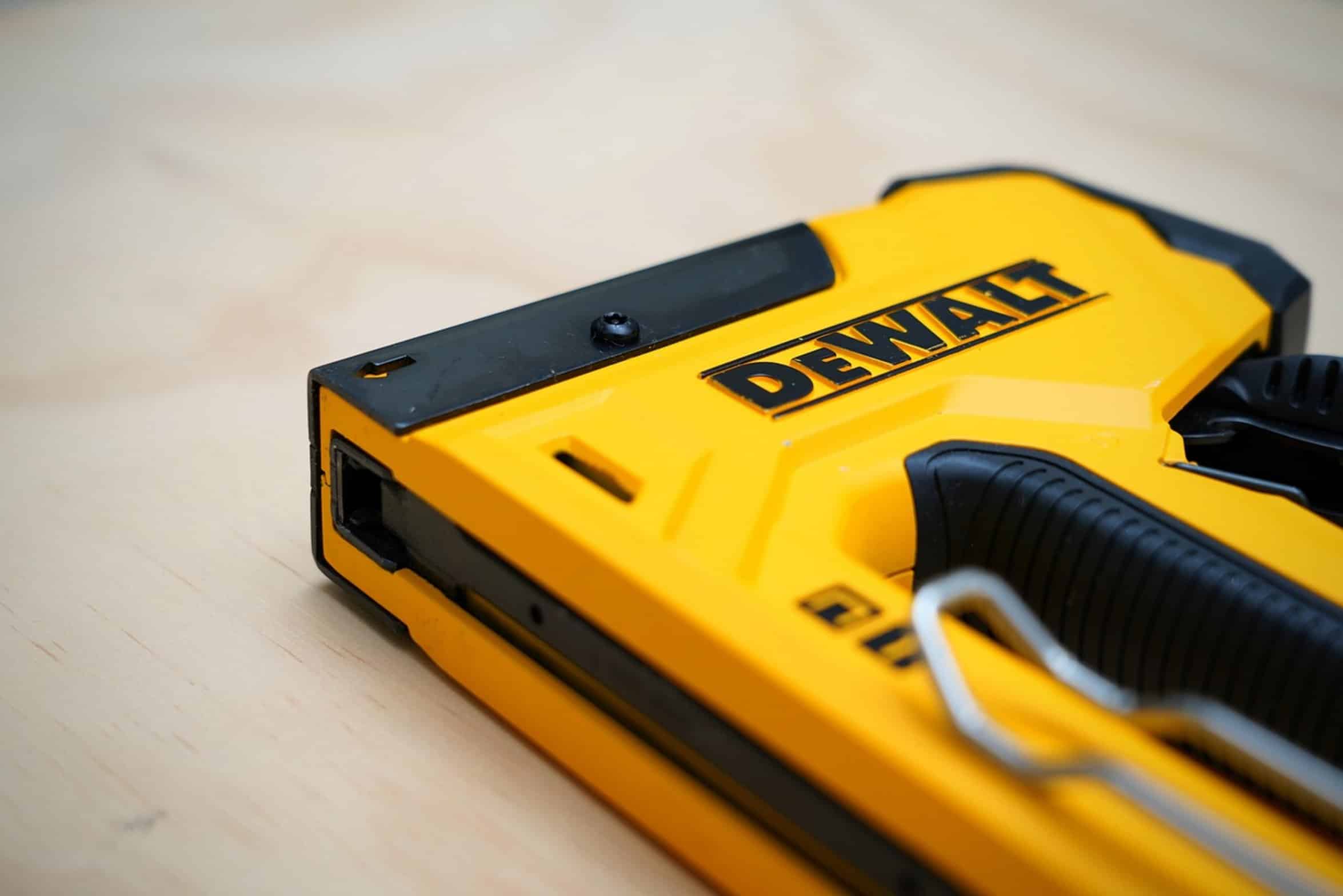
And then you’ve got Makita’s LXT line, famous for their small cells and good energy management. The truth is both systems does a great job handling the tough stuff. But one thing I notice when using Makita batteries over time is they stays a little cooler.
That staying cool mean you can get more cuts out of them in a day instead of swapping them out as often. DeWalt batteries are a touch bigger though and give you a little extra oomph for ripping through heavy beams. If you’re going cordless make sure it match the same battery system as your impacts and drills.
Mixing systems means spending more money and having a cluttered garage.
Ergonomics and Physical Design
The physical design of saw impacts how well you can control it and how comfortable it feel day after day. Often the angle and aggression of the housing shape are different from brand to brand.
DeWalt has that more angular look. That make the saw feel solid, but also makes the entire profile a bit bulkier. Makita takes into account ergonomics in their design.
The saw’s balance and contoured handles makes it feel nice in your hand. Often those teal saws is lighter in your hand which again reduces fatigue when you’re on a job doing overhead cuts for hours at a time. Lighter doesn’t necessarily equate to weak.
It equates to not having to expend as much effort keeping it still, this results in cleaner cuts. If you do most of your work on framing jobs where brute strength assists, then maybe the heavier feel of DeWalt is what you need to convince yourself it’s a strong saw. But if you’re more doing detailed trim work or finish carpentry, then the agility of the Makita design really shine through.
Dust Management Systems
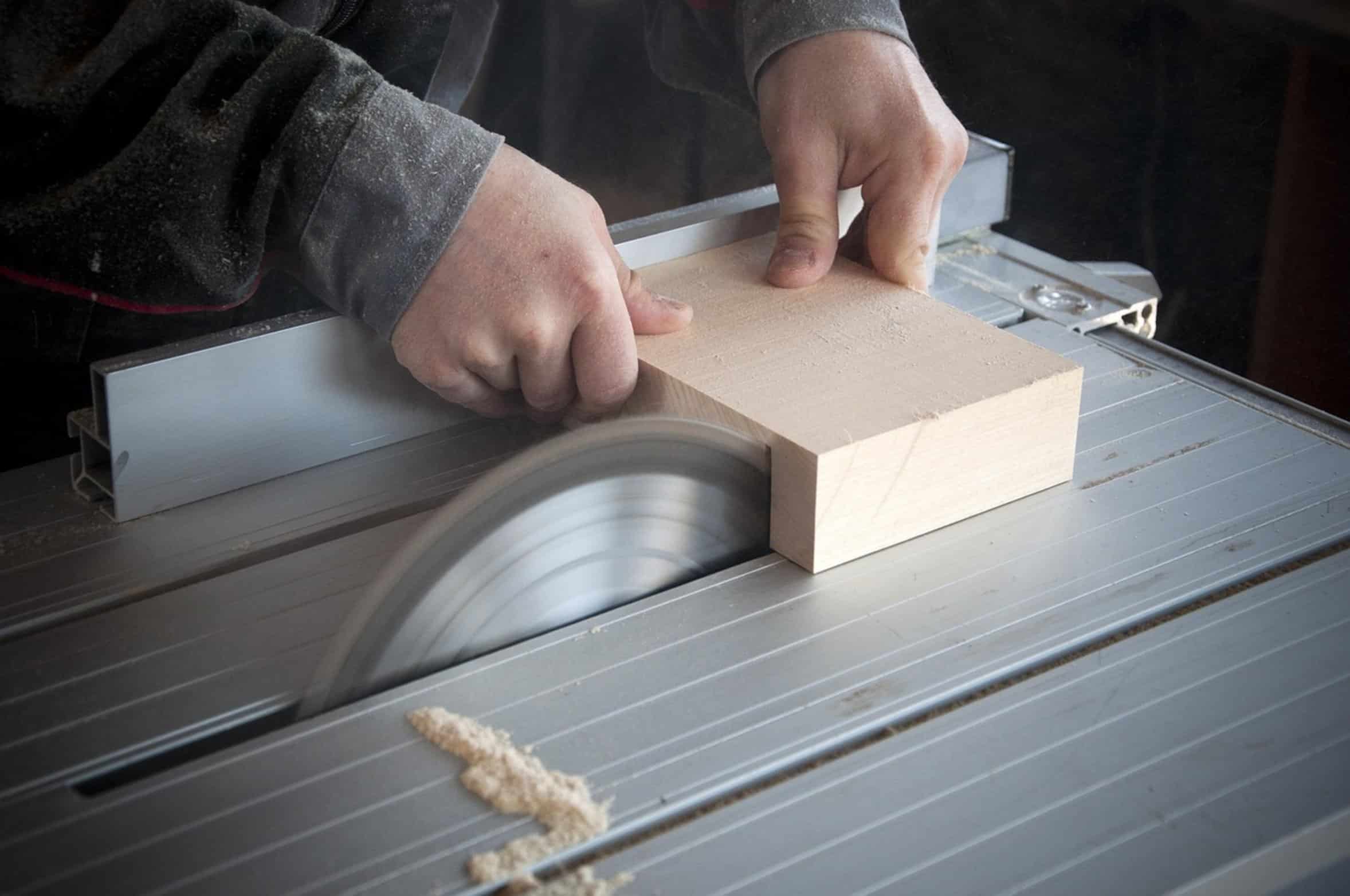
One feature that is often forgotten but can make for a more satisfying user experience over time are dust management. DeWalt includes advanced dust blowers in many of its circular saw model. This pulls dirt off the line of your cut so you always know exactly what you’re looking at.
In the past few years, Makita has also made major improvements to their dust control systems, which some users still feel is outperformed by the yellow tools’ more aggressive airflow. Either way, being able to see what you’re doing make for a safer and cleaner cut. And if you’re cutting inside or somewhere else in tight quarters where the air quality might be an issue, this will come into play big time.
It is always good to have a clear picture of what’s happening during a precise cut.
Service Networks and Parts Availability
If you intend to use this tool for years and even decades, then service networks and parts availability will affects your decision. DeWalt has tons of service centers, especially in North America.
You’re not likely to have trouble finding a motor brush, switch, or blade if you ever need a replacement. The same goes for Makita, although they aren’t as widespread regionally. A densely populated network of DeWalt partners may brings some comfort for those who live out in the sticks.
That said, Makita dealers often provides excellent customer support online. When a tool dies during a job, knowing where to go for quick help should of saved valuable time.
Final Buying Considerations

In the end, whatever work for you is the best circular saw.
Don’t get a DeWalt because it’s cool looking. Don’t pick a Makita solely because it’s lighter. Consider what other tools you have.
What battery platform are you tied to? If you can, try the balance of the saw and grip the handle in the store. The proper saw will melt into your hand and all you’ll notice is the cut.
Teal or yellow doesn’t matter, you’re going to be cutting with a pro-grade tool. Choose what feels comfortabley and let the saw do the work for you.