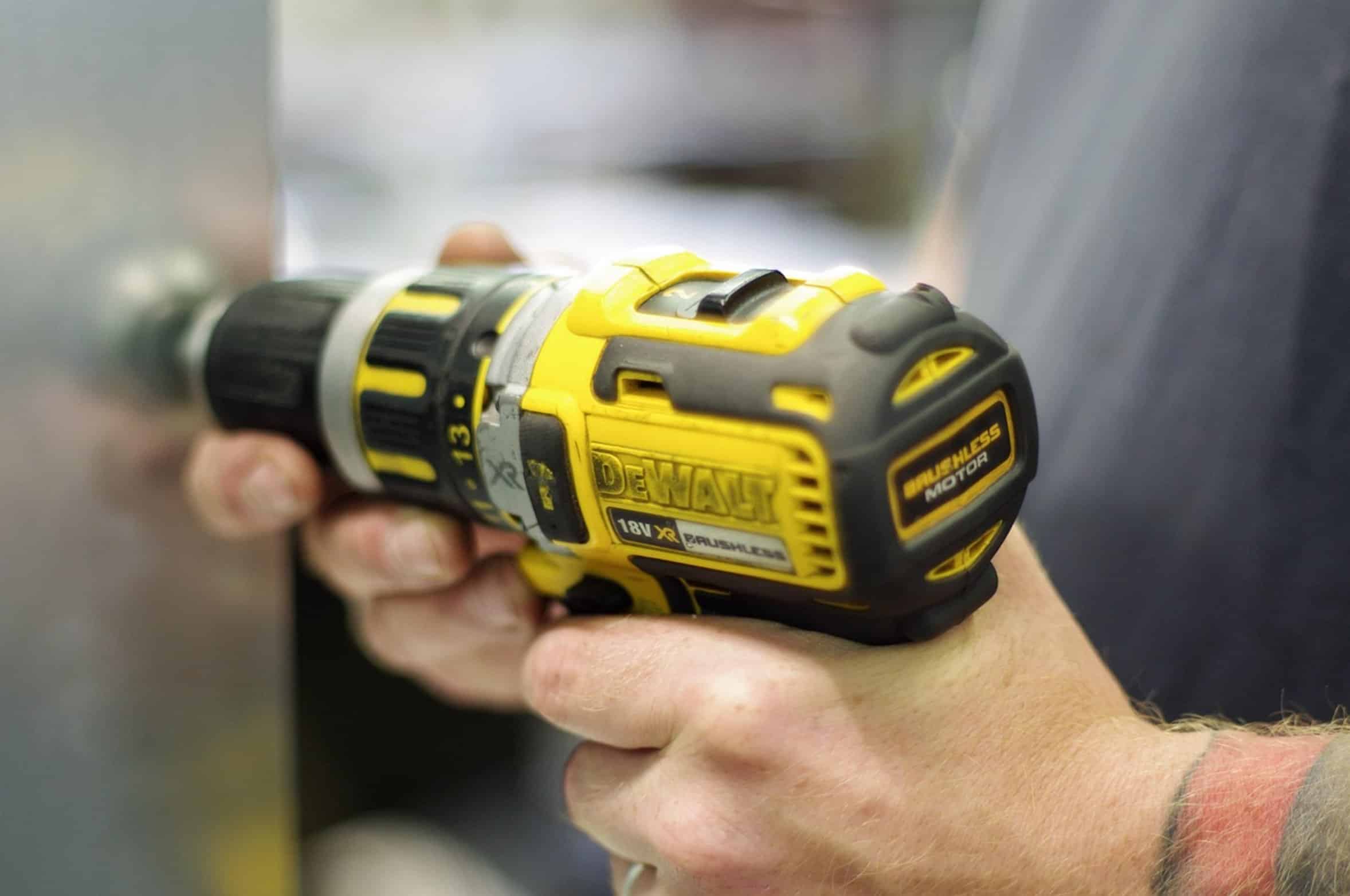
Your DeWalt drill is not happy; there’s a particular sound it makes when things go wrong. It is not the stutter-step of a weak battery or the loud whine of a spinning spindle stuck in place. No, it’s more like metal crunching sound coming from within its casing.
It’s the grinding sound of transmission gears on their last legs. This thing is your go-to tool because you trust it. So when it stops working, it hurts even more because you were promised it was tough.
You bought into its image and thought it would spit out lag bolts and drywall screws with a smile on its face. Transmission problems never just up and quit on you. Most of the time they show their intentions with slow decline in your drilling experience.
Diagnosing And Fixing DeWalt Drill Transmission Issues
Recognizing Transmission Failure Symptoms
Torque is reduced at certain RPMs, or it gets bogged down during heavy loads. It starts to vibrate at certain speeds, or maybe chuck begins to spin off-center. Catching transmission symptoms early will save you from having to do a complete overhaul when it could of been prevented with a little TLC.
Understanding Grease Degradation Causes
Knowing how the system works lets you know if it’s worth fixing yourself, sending out for service, or replacing. The main reason transmissions fail is grease degradation. Grease starts out thick and synthetic at factory.
Over time high torque and heat will thin it out. As that happens the grease becomes thin, lumpy stuff. That isn’t going to guard gear’s metal teeth.
When the protective layer is absent, the gears is rubbing metal on metal. All that friction causes additional heat which causes remaining lubrication to degrade even faster. This process increase wear and tear.
Diagnosing Gear and Shaft Damage

Often people believe their drill has a weak motor, when in reality motor is fine and the gears just slip around in the dried-out casing. You can also check your chuck for any wobble as another way to diagnose the problem. Wobble in the chuck usually signals a stripped gear shaft and/or worn bearings.
As transmission gears wear down, they create play in the shafts that drive the chuck. That shows itself with noticeable shake on a running drill. To check for this, spin the chuck by hand while holding it up to the light.
Any sideways movement is a red flag because it means the internal alignment are compromised. It doesn’t matter how much grease you use. A bad shaft will still damage new gears.
Structural integrity of the transmission is toast. Longevity is largely about heat management. If you’ve ever used a cordless drill for any length of time, you know how much they can heat up when under sustained load.
Managing Heat to Extend Lifespan
Whether you’re drilling big holes or driving long screws, motor and transmission will get hot. Most people grip the trigger all the time and expect the tool to keep running. That continuous engagement will overheat the insides.
It cooks the grease from inside out. To save your internal lubricant, make sure you give it time to cool down between heavy work. This simple practice will extend lifespan of your transmission by years.
Let the drill rest, don’t expect it to run continuously. Half the battle in any repair is cleaning the housing. Open up your DeWalt drill and see what inside of that transmission looks like.
Cleaning the Housing for Repair
The grease is going to be color of tar. It’s filled with carbon dust and metal shavings. Use a solvent and a brush and get rid of all dirt and contamination.
A single speck left behind acts like sandpaper on those new gears. It is the ruin of most DIY repairs. People skip the deep clean and add fresh grease to a dirty housing before wondering why their tool failed again within three months.
It’s tedious but there’s no getting around it. Cleanliness = permanent solution; lack thereof = temporary fix. The last part of the equation is selecting the proper lubricant.
Selecting the Right Lubricant
You can’t just use any old motor oil or white lithium grease. A very special kind of high-viscosity, high temperature gear grease are called for in the transmission. This is where DeWalt’s special mixtures comes into play.
But there are also aftermarket options available. Find a grease that rates highly for extreme pressure and high shock load protection. Those are the ones with additives to protect the gear teeth when there is a sudden spike in torque.
Applying Lubricant Correctly
Too much grease results in churning resistance which sucks up battery life. Not enough will result in dry running. It’s all about balancing the amount so it coats the gears thoroughly while not completely filling in the gaps.
When that transmission is well maintained, it’s like having a new tool again. Torque! Quiet!
The grind ceases. And you can feel the drill once more as if it were part of your hand. These are simple maintenance tasks; no need to be an expert mechanic here.
Just show some respect for what’s in there. Pay attention to the noises your tools make. Fix the greasing problem before it becomes the gearing problem.
That’s how you keep your DeWalt humming along for years.