When a circular saw gets a mouthful of wood and suddenly choose to depart, it triggers a particular type of panic. Not the kind where the saw vibrates, but twists violent enough to turn a controlled cut into a fight. You’ve mastered this thing, you tell yourself.
You’ve measured twice. Squared off the cut. And then the blade exit the material and the saw go for your thumb.
The word for this is kickback. More people has experienced it at the end of a cut than you think. It isn’t magic, its mechanics.
It’s a combination of geometry of the cut, stress on the material, and the deflection of blade. How do you prevent it? Know why it occurs.
Don’t need more power. You need more knowlege about what’s happening when the blade hits the wood while cutting. It’s all about the kerf.
Understanding The Mechanics Behind Saw Kickback
Understanding Circular Saw Kickback Mechanics
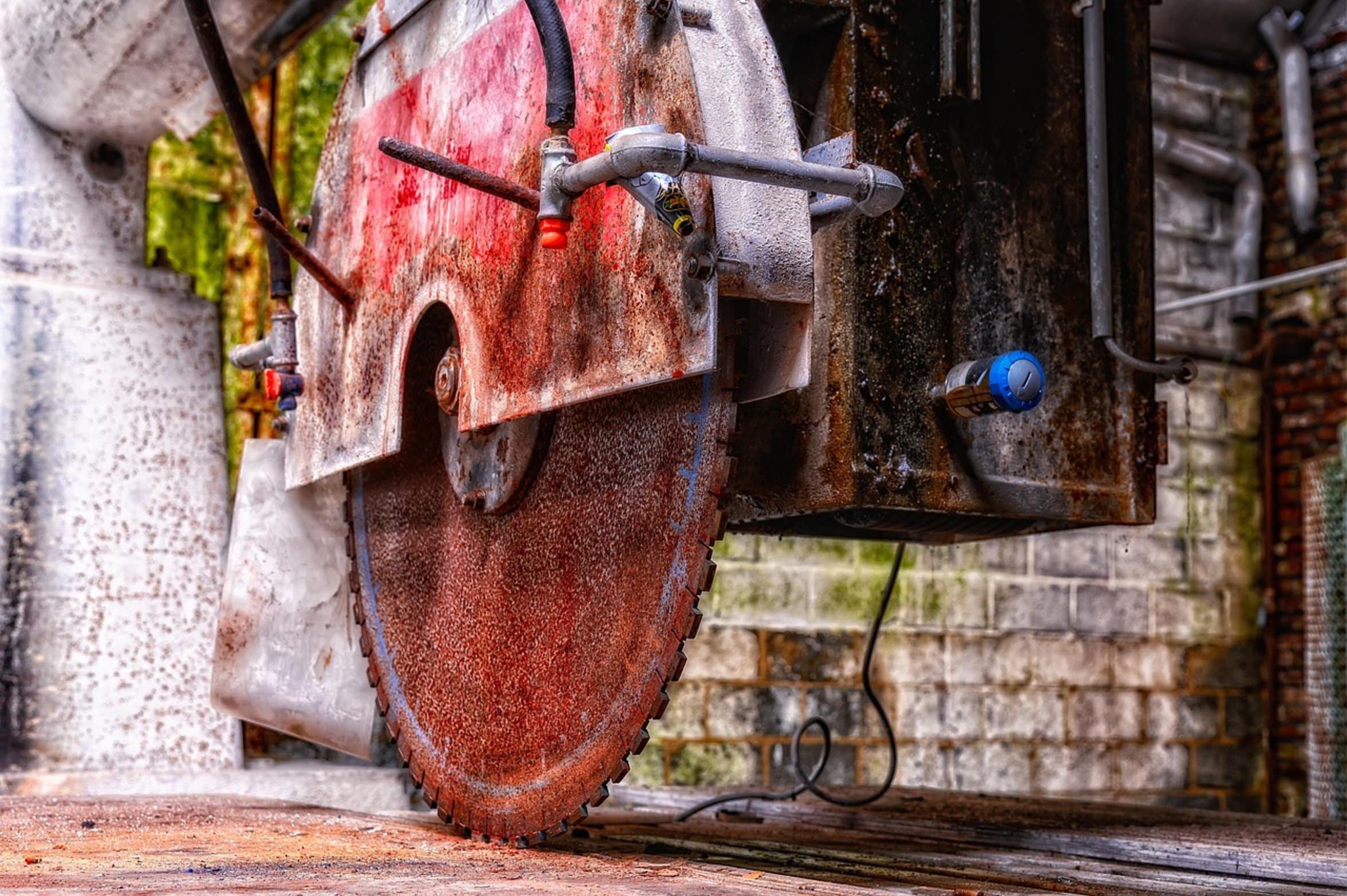
Kerf is name for the little groove cut in the wood by the blade. While the blade is cutting along, it also pulls out some of the wood. And then it leaves this little void behind it.
When that void fills in just a hair, it will catch on the blade. Then it will pinch down on the blade teeth and press them against the walls of the cutout. Now you can’t spin the thing around anymore.
Where does it go? Back at you, man. That’s kickback.
That’s the wood pushing down on the blade hard enough that the tool push right back. The Pinch typically occurs at the end of the cut. This happens when the wood transition from being held on either side to just sitting there, unsupported.
The Role of Kerf and Blade Deflection
At the beginning of the cut, it’s got table or sawhorses supporting it. The weight is spread out. As you reach the offcut and are finishing the cut, however, that tiny bit of wood have no one keeping it in place anymore.
Gravity steps in. The offcut sags. And as it does so, it closes off the space between the blade and whatever was behind it.
Now the teeth has nowhere to go but up and back. The motor continues to spin. The path of least resistance is obvious.
And right where it wants to go is your hand hovering. There’s also the matter of blade deflection. When you flex a thin kerf blade under a load, it bend a bit in the kerf.
Pushing it too fast will bend the blade. As the cut completes, the blade return to a straight position. The tension release sends the blade shooting sideways.
It is subtle but dangerous. Using a thicker kerf blade reduces the flex. It pushes like its heavier but doesn’t bend as much in the cut.
That rigidity keep the sideways snap from happening. It also prevents the kickback motion from starting. Hardware isn’t everything.
Preventing Pinch at the End of the Cut
How you cut also counts. Operators hurry the last inch of many cuts when they feel their saw lose it’s grip. And they relax.
Pressure release. Wrong! Don’t stop.
Forward pressure must be maintained until the blade is fully clear of the wood. Easing off the blade will allow it to grab what’s left and hook. And then it’s back to violent rotation.
Keep a steady hand. Strong finish. Anticipating your finish are a no-no.
Let the blade do the deed till it is fully free. The best physical solution to supporting that offcut is one that supports from on top. Placing a scrap piece of wood across the kerf at the end will keep the slot open.
There is a spacer between the wood and the blade so the wood doesn’t pinch the blade. Some saws does this by design already. But a simple block of scrap lumber do it just fine.
It alters the shape of the failure point. It changes from a closing trap to an open path where the blade can exit cleanly. The other factor is the angle at which it enters.
Maintaining Proper Saw Angle and Pressure
When we cut with a circular saw the blade teeth are shaped to do their best work going down into the wood. Changing the angle by lifting the front end of the saw change things. Now the teeth can get under top surface of the board.
This causes them to hook. And when they hook they tend to fight what you’re trying to do. Keep the base plate level.
Then let gravity and your downward pressure guide the cut. It’s designed on the idea that it will be used in a flat plane. Anything else asks for trouble.
Summary of Kickback Prevention Strategies
Control is the objective Kickback does not happen by chance. It is a result of controllable factors. Specifically, there is a recipe for kickback.
Pinching, deflecting, or inadequate support creates the perfect storm. Steady pressure, good kerf management and keeping the offcut supported eliminate the variables that cause violence. A saw is a tool.
It want to cut in a straight line. You’re charged with keeping the way clear and the blade true. Respect the mechanics; let the saw stay in your hands where it belongs.