Soft pine or drywall studs are no problem for the stock blade on a miter saw. But dense hardwood? Forget about it.
Pushing takes longer then cutting and finish leaves much to be desired. After all, a saw is only as good as how well its teeth bite into material. Knowing your blade type isn’t theory; it’s practical.
Does the cut come out clean or splintered? I see most wood workers use whatever blade was included with the tool. That’s the wrong move.
Using the correct blade will affect your performance. It will also affect how the machine perform and how much time it take to complete a project. There are specialized blades for specific materials like MDF, plywood, aluminum, and PVC, and understanding those help you get the job done faster and cleaner with less tear out and heat on the saw motor.
Guide To Choosing The Right Miter Saw Blades
Why Blade Selection Matters
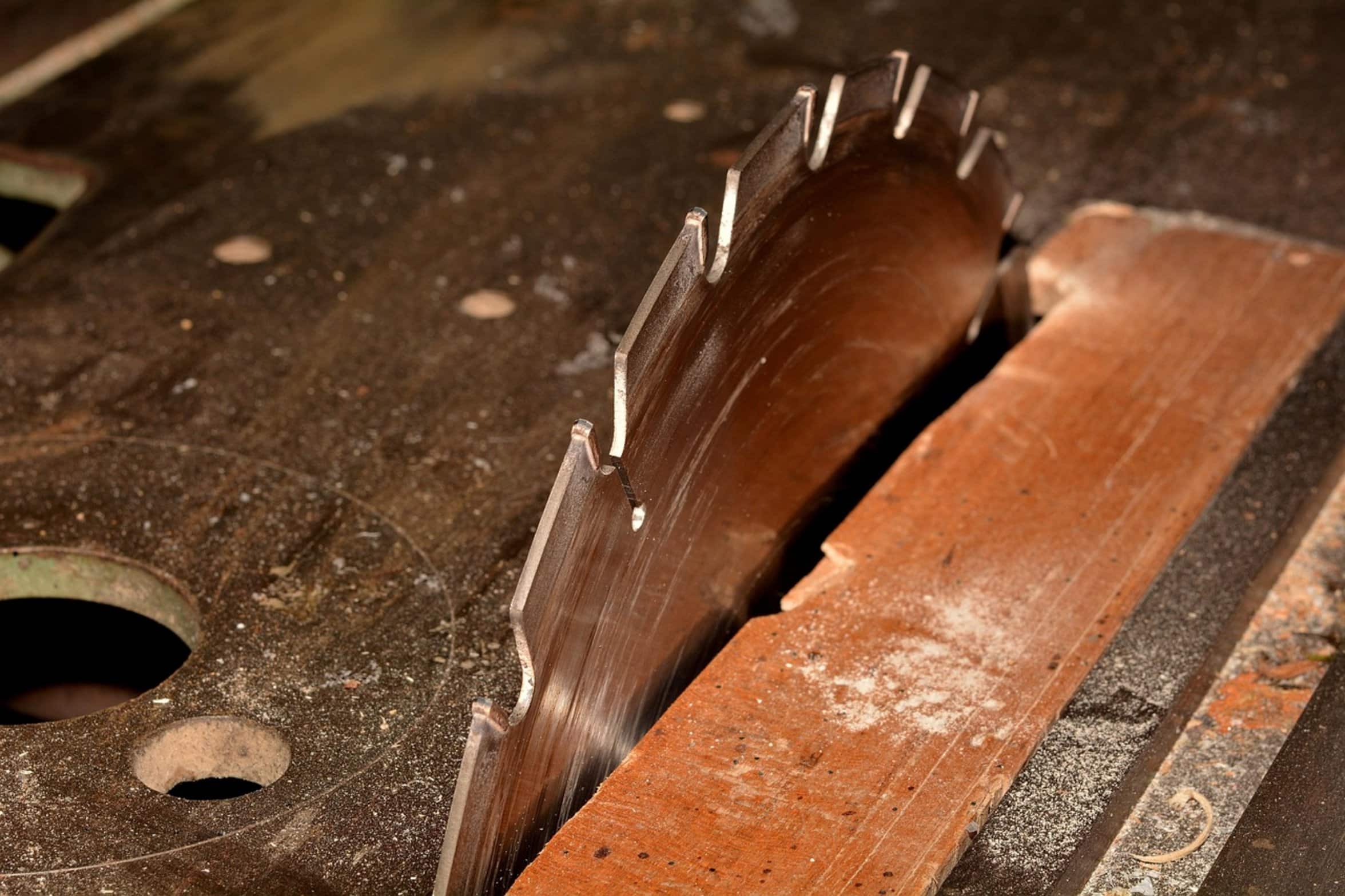
Most of us has a standard crosscut blade in our shop and it’s the workhorse. It have an aggressive angle on the teeth; think of it as having a bunch of little chisels on it. The teeth are also usually ground in at a pretty high number.
Sixty or eighty. This means they does not tear the wood fiber but instead cut right between fibers. That works great when you’re making cuts across the grain of the board (which is why a miter saw shines).
Your cut lines will be super-smooth on your trim work. You won’t even need to sand down the cut line. Finish carpenter use this one all the time.
Standard Crosscut Blades
Built for another job, ripping blades look different. They has fewer, flatter teeth meant to cut along the grain by scooping out material. You rarely rip using a miter saw.
But when you want to make a long straight cut on a board where the grain run parallel to your cut, this blade shines. A crosscut blade will burn and create friction while trying to rip. Ripper teeth has a flat top grind, so they handles the load without bogging down.
Ripping Blades
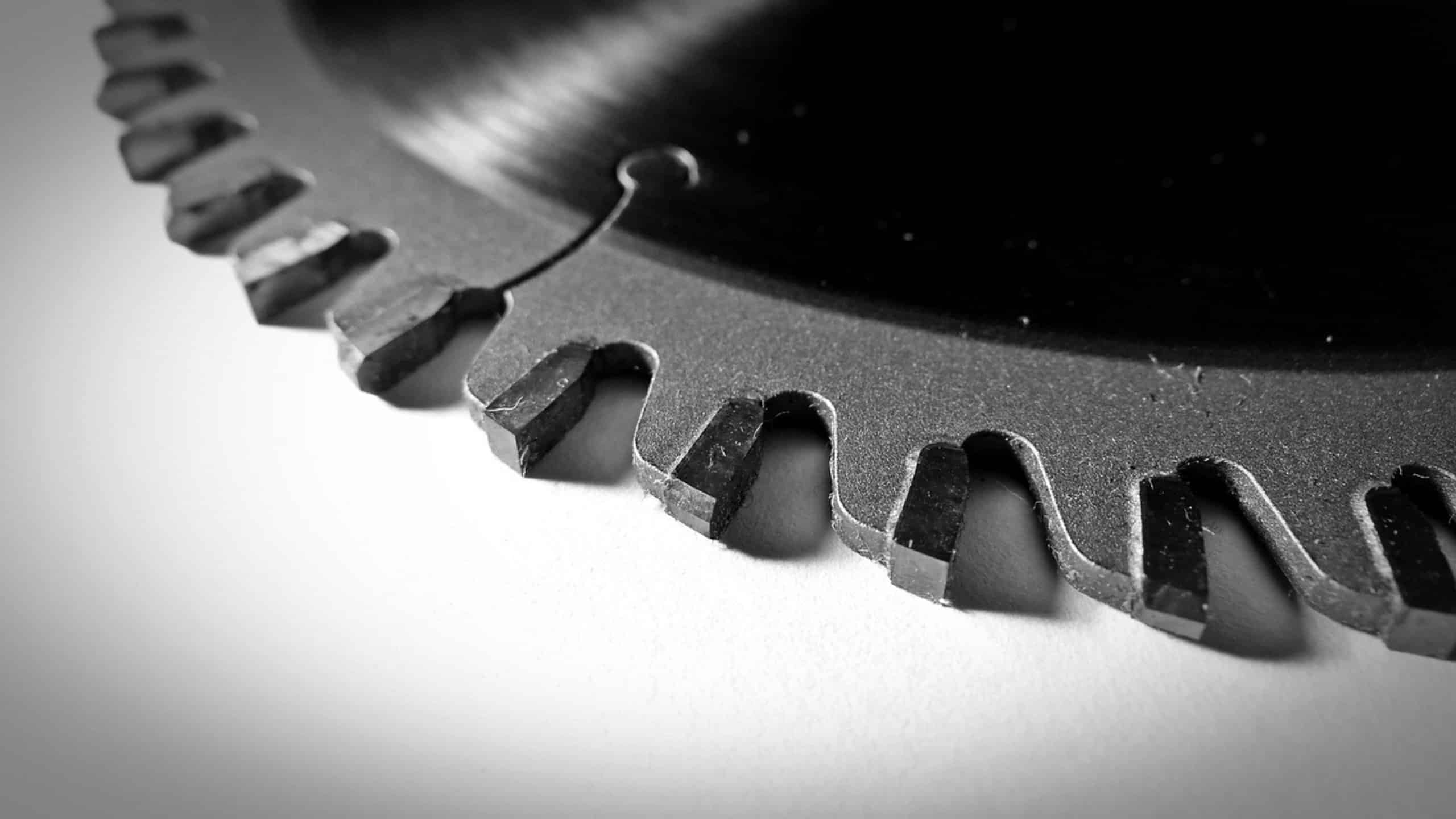
You also want a specialty blade if you do any sort of engineered wood (plywood or MDF). These woods can be abrasive and chip. You’ll want something that has either a high number of teeth on the alternate top bevel or a triple-chip grind.
The geometry will keep the cutting edge sharper longer in contact with those fibers and glue. Otherwise, the cut look rough and jagged. This is particularly true with the face veneer of plywood.
If that starts to chip out, it ruins the look of your project. For what it’s worth, Diablo and Freud have a big lock on this category with good reason, their blades typically has thin kerfs and laser-cut slots. This means more cuts per blade as they takes off less material.
If you’re cutting a lot, you want to put less strain on your saw motor so this helps. Because there’s less wandering around because of the thin kerf, they can be positioned more accurately too. They will cut cleaner and stay sharp longer then the generic hardware store variety.
Blades for Engineered Wood
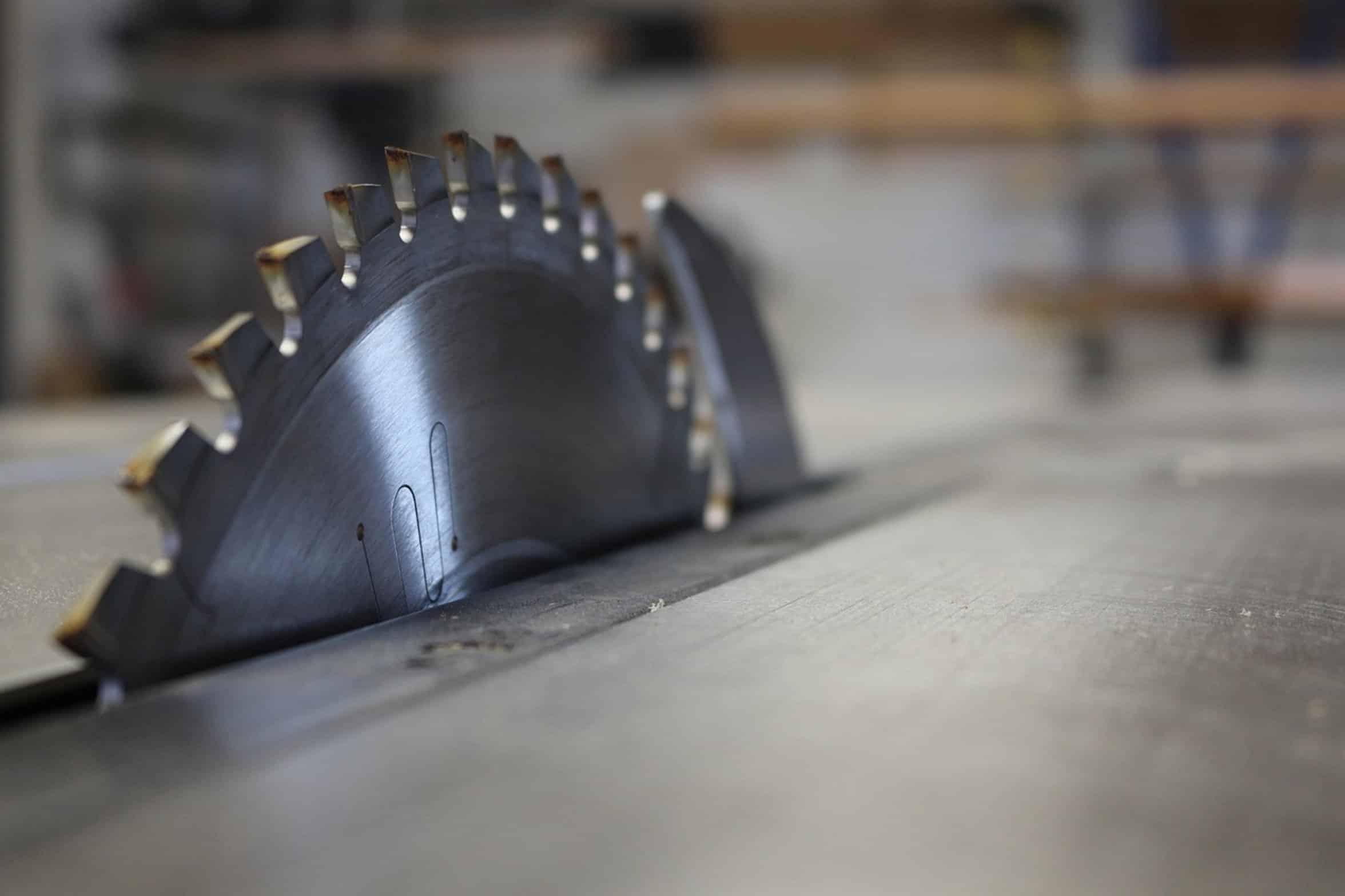
If you like a nice finish, it’s worth the cost difference. Can you cut non-wood materials too? Yep.
Cutting aluminum trim or PVC pipe requires a blade designed for non-ferrous metals or plastics. The teeth shape are different (they don’t grab and kick back). Never use a standard wood blade for metal.
That’ll happen immediately and can prove hazardous. The spacing between metal-cutting teeth is also different because of the metal’s hardness and how it expand and contracts with heat. Use the right tool for the material or you won’t get the same safety and finish.
Blades for Non-Wood Materials
Besides selection, storage and care are critical. Storing them in a blade guard or their own case is best because it allow you to store them vertically to keep them from warping. A warped blade will not cut straight.
It will wear out early, vibrate, and make for a rough cut. Remove any pitch or resin that gums up the teeth so they cuts well. A wire brush or a can of blade cleaner does the trick.
Blade Storage and Maintenance
Respect your blades and they’ll respect your projects. The blade makes all the difference, selecting the proper blade turns your miter saw from an average power tool to a precise tool that you work with instead of against. When you have the right blade for the job, you could of begin to work with it instead of fight it.
Use a good quality crosscut blade for general use, and as your projects require, introduce specialty blades. You’ll make cleaner cuts, work more efficiently, and be more satisfied with your results. Pick carefully; the blade is the heart of the work.