A bench grinder like this one from Bauer is something most of us own but only know how to set up and use effectivly once we’ve broken a tool. Whether it’s a dull chisel or a chip in your favorite drill bit, the thought crosses our mind: “I’ll just throw it on the red machine. It should of take care of it.” Sadly, it doesn’t always work out that way.
Using a bench grinder incorrectly can damage an edge as quick as it can make one good. Because the same design has been around for so long and name of manufacturer holds some weight, people puts their faith in it. But that’s where bench grinders fail.
They perform well based off how you choose to set them up and use them, not what company made them. Bauer grinders is built very solid. They’re a heavy grinder and I mean they have mass for a reason.
Understanding Bauer Bench Grinder Performance
Why Mass Matters in Bench Grinders
Mass absorbs vibration. Vibration create chatter marks in your metals. This dulls the cutting edges before you has time to get them sharpened again.
The bases on many of them are cast iron which is a dense material and keeps machine locked down so it doesn’t move when used. You can put pressure onto table with your hand when sharpening and not have machine slide around on you and that lets you keep the handle of the tool under control. These machines is built around a rough-and-tumble motor that isn’t as precise but is extremely robust and powerful.
Whether removing lots of rust from a tool or starting with raw stock to shape something new, they won’t bog down on the job. Standard induction motors also has fewer fancy electronics inside… Something nice because if it dies you don’t need special tech assistance to get it going again.
They have replaceable brushes and belts, and they keep running strong even under a heavy load. Heat is also an enemy of tempered steel; holding the tool up to the spinning wheel for more than a few seconds will draw the temper out of the edge, causing heat damage. As the wheel turns at 3450 RPM, it make enough friction to soften the metal.
Preventing Heat Damage to Steel
If you’re holding the tool in place for extended periods, it won’t retain a sharpened edge because it has been softened. Dip it gently on the wheel for just a second or two and keep moving it along. Letting the grinding wheel take care of things helps prevent overheating.
This is where many people mess up with high-speed grinders, they don’t realize their limit. Stock grinding wheels used for fine sharpening are too coarse; they will tear the metal instead of wearing it down smoothy. Swap those out for some fine grit (aluminum oxide or ceramic) wheels that will cut cleaner and create less heat.
Choosing the Right Grinding Wheels
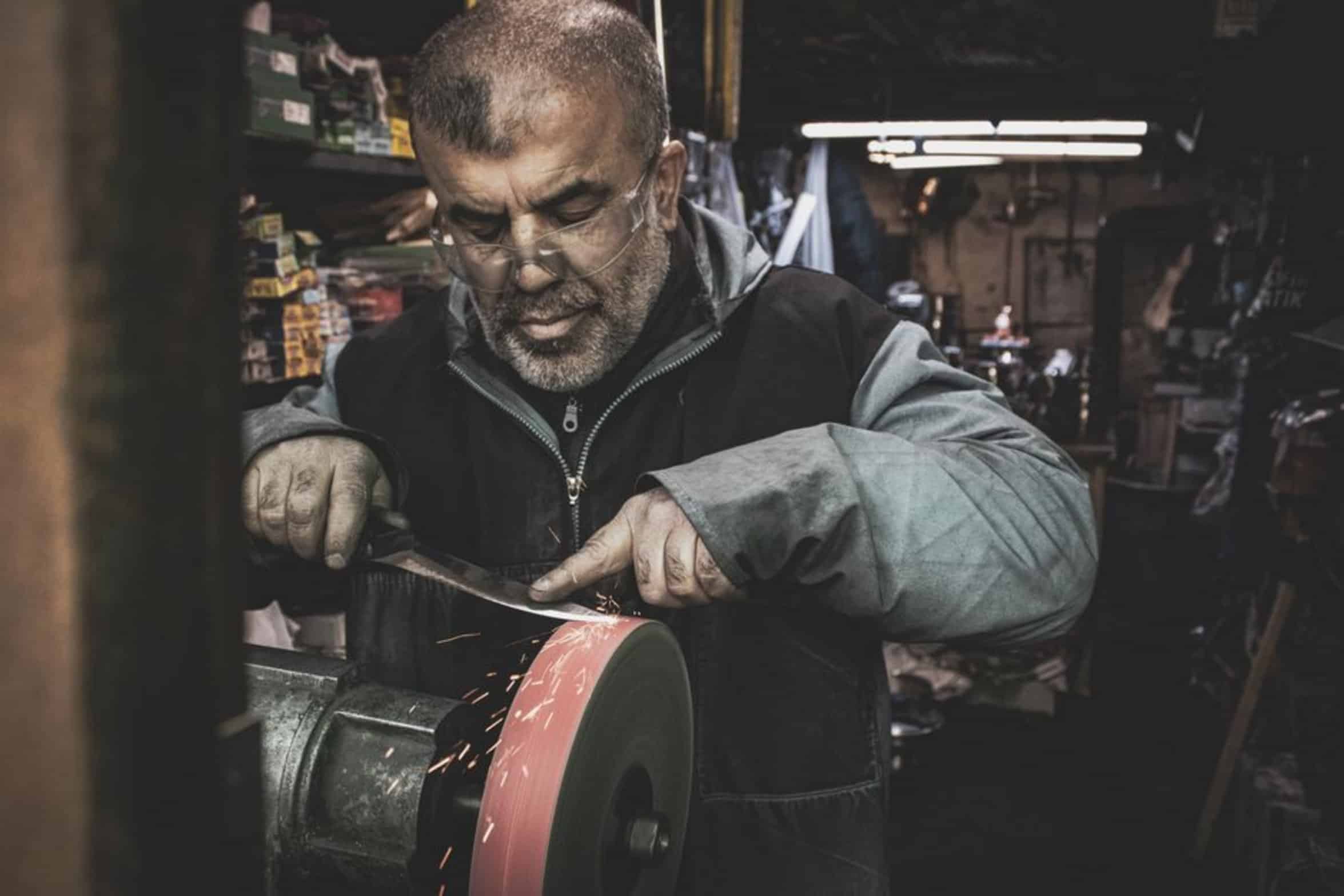
Also key is installing a solid steel tool rest. The stock rest is often too flimsy to effectively guide the tool into place. The rest should be no closer than 1/8 of an inch away from the wheel so the tool doesn’t get caught.
Installing a Proper Tool Rest
This keeps it precise and safe. Beyond just sharpeners, these grinders can do a lot more through their range of accessories that add even more use to the grinder. Rust and scale can be easily knocked off with wire wheels, and then buffing wheels with compound can polish edges up to a mirror finish.
Using Accessories for Versatility
Sharpening jigs can be mounted to provide a guiding tool at exactly the right angle to remove any guesswork out of sharpening. Most universal accessories will fit on the Bauer spindle, allowing for variety in what tools can be used where when faced with various tasks. The source doesn’t actualy call the grinder a “versatile workhorse,” but it does say that because of the standard spindle and accessory options, you have a lot of flexibility in how you use the machine.
Safety Precautions for Grinding
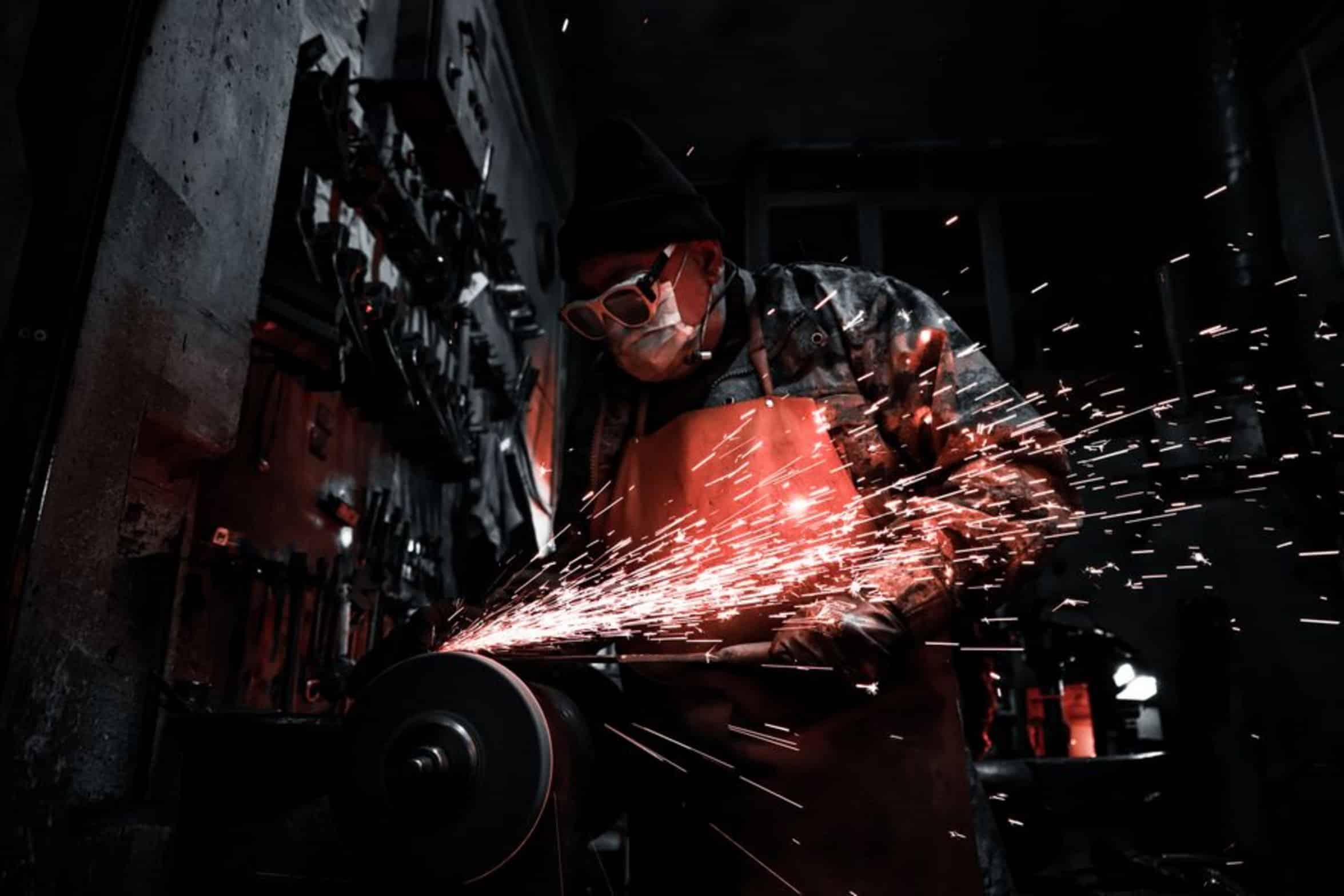
The grinder is also dangerous; sparks fly, it’s noisy and you need to take precautions. Always wear eye protection, and use a face shield if you are doing heavy grinding. To prevent long-term hearing damage from the noise, use good ear plugs or ear muffs.
Treat the tool with respect and it will be a valuble addition to your shop. If you treat the grinder like it’s meant to be used, which is as a brute-force shaper, then I think it’s a decent bench grinder. It’ll take off material fast and reliably (with the right accessories of course) while avoiding excess heat.
It’s also not a precision stone; don’t expect to get razor finishes out of this thing unless you set yourself up propery. Grind and shape with it. Keep your edges cool.
Add fine abrasives for the finishing touches. If you respect what it can do and what it can’t, it does exactly what it was designed to do.