Dust and noise. That’s what you get from a bench grinder. It is a piece of equipment that sits in workshop corner, covered in gray dust, ready to shape some metal or put an edge on a tool.
Most folks purchase whatever is available. For the next five years, they regret their decision as the grinder shake itself off the bench or burns its blades upon contact with a piece of steel. For those of you new to bench grinders, two of the more popular starting model include the Rikon 80-805 and the Rikon 80-808.
Rikon 80-805 vs 80-808 Grinder Comparison
Comparing Initial Specifications

When you compare them side-by-side they appear very similar. They have six inch wheels, a magnetic tool rest, and safety guards that seem to be up to par with what is expected. On paper, the spec sheets read similarly as well.
It comes down to your level of patience regarding the upkeep and how much work you intend on doing. Horsepower numbers don’t tell the whole story when choosing between these two. They tell you about heat, and they tell you about friction.
An uncooled, too-fast running grinder will glaze your stones and ruin your edges. A low-end motor on a grinder will overheat in prolonged use. Which one can handle the load?
Motor Cooling and Stability
Which one give up the ghost under pressure? Let’s start with what’s most apparent: how this motor is designed. A standard, induction motor (like the one found on the Rikon 80-805) are cooled by airflow.
For short jobs such as sharpening a chisel, this is fine. But if you’re grinding for longer than twenty minutes, it gets warm; its bearings swell; and the wheel begin to chatter. That chatter messes with edge you’re trying to produce.
It’s not unlike a vibration you feel in your teeth. To address the cooling problem, the 80-808 has a beefier motor housing and better cooling. That added weight absorbs heat and maintains a steady motor speed over time, which is important when sharpening things like axe heads and plane blades.
To achieve an even bevel, you want the surface to be uniform. If the motor bounce up and down, your hand does too, removing more material in one spot different than another. The 80-808 give you that consistency.
Weight and Base Construction
People forget about weight until the grinder starts walking across the bench. When I say this grinder is light (80-805), what does that mean? It means it’s easy to pick up in a small shop.
It will rock side-to-side when you push on it from the side. That’s how you get strained wrists and bad cuts. Hold it down with one hand and grind away with the other.
It is heavy. It’s also a lot heavier. That’s because of its cast iron base and heavy motor mount.
While you don’t have to clamp it down onto your bench, most people still do. But that’s because they want something heavy and stable to stand on so their cuts is exact. A heavy bench grinder makes for a solid working platform.
No more struggling with the grinder while trying to get good angles on your blades. That matters when you want precision. And then there’s price.
Price and Long Term Value
The 80-805 is cheaper up front. If you’re a hobbyist that only sharpens one knife per month, then it look appealing. This is a safe choice for your first sharpening stone because of its low cost.
But if you want to get more bang for your buck over time, go with the 80-808. It will last longer than the 80-805, which ultimately saves money in the long run. You pay more now so that you don’t have to replace it later.
Final Verdict and Usage
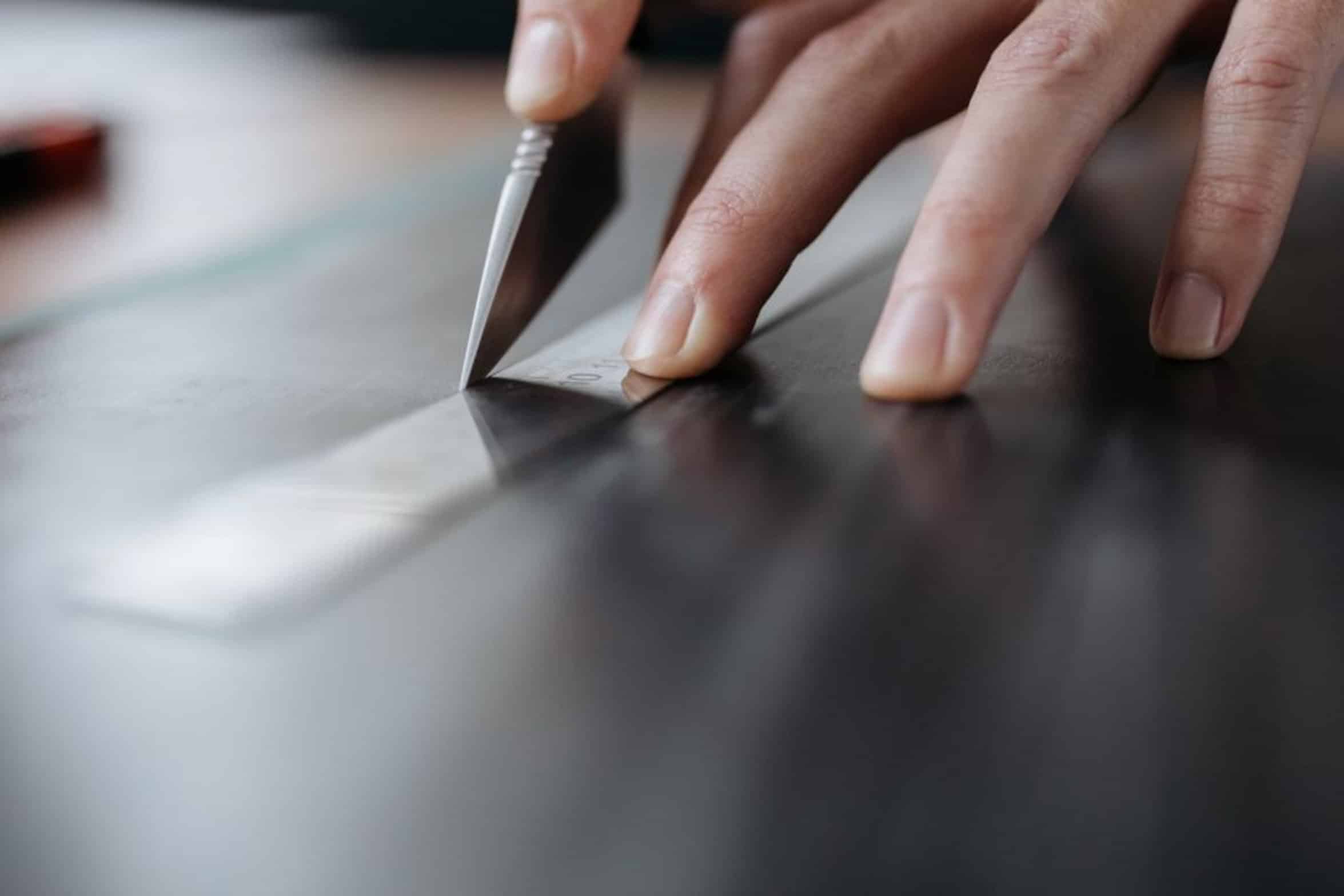
Deciding which one to get is a personal decision based off how you use them. For occasional jobs where you’re cleaning up castings and doing other light stuff, the 80-805 will fit that bill just fine. But if you do a lot of fabrication, or even just keep hand tools sharp, then the 80-808 is the one for you.
It costs more but it’s worth it in terms of reliability. Just don’t push the 80-805 too hard, though. The best grinder is only as good as the guy using it.
Some of the cheapest grinders can be made to work great by a skilled hand while some of the most expensive ones will do more damage if they are handled carelessly. It’s always nice when a tool doesn’t fight back though. With the 80-808 and the 80-805, it’s all about getting a sharp edge and having something you trust for the job.
Pick the tool that fits what you need.