You might panic when the Craftsman table saw switch doesn’t engage the motor to turn it on. The motor hums lightly or not at all and there you is standing motionless with uncut lumber. Progress comes to a screeching halt as fault lies not with the fence or even the blade but with the switch.
It’s a common issue with older units and knowing what happened is half the battle to fixing it. A mechanical interrupter called the table saw switch deals with high electric load when making deep cuts. Each time you kill and restart motor, the contacts in the housing arc and wear down until they becomes resistant.
That resistance creates heat which will cause eventual failure of the switch. This is not a defect but a wear issue like other parts of tool’s lifecycle. Think of the solution as an investigation, not just a restart.
How to Fix a Broken Craftsman Table Saw Switch
Safety Precautions Before Repair
Be sure to turn off power to the switch housing before removing it. You don’t want to open housing until you’ve turned off the breaker or unplugged the saw. No electricity means no problem.
Inspecting the Power Cord
Always check the power cable for any nicks or tears near the plug or where it enters the saw body. Burns, frays or other damage near entry point show an unsafe condition and can be a sign of a failed cord. A bad cord will not allow power to get inside.
Therefore it may appear as if switch has failed.
Cleaning Dirty Switch Contacts
The most likely culprit for a non-responsive switch are dirty or pitted contacts. When you press the button, two metal terminals in plastic case touch.
These contact points gets roughed up over time. Arcing causes carbon deposits which build up on the contacts and prevents current from flowing through. Contact cleaner spray or fine grit sandpaper will clean your contacts and restore conductivity.
In many cases, you won’t have to replace switch at all. This is a cheap repair that brings life back to an old switch.
Checking for Mechanical Defects
Alternately, if cleaning isn’t effective, then the internals of the switch might be mechanicaly defective.
The button could get stuck because spring used to return it to off has broke or become weak. Also, cracks in plastic housing provide an entry point for sawdust and other dust, which contaminates contacts and interrupts circuit. Result: it can cause intermittent operation.
Replacing the Table Saw Switch
At this point, replacing the switch is the safe bet. You’ll find aftermarket switches readily available; they’re cheaper then a service call. When adding a new switch be careful about wiring connections.
Get all wires pushed down into their terminal connection and tighten down with screws. Loose connection get hot, which will burn out your repair job in no time. Before removing any wires take a picture.
You’ll want that as a guide for putting it back together. Neutral and hot wires is easily confused. If mixed, you’ll either risk a shock or damage the motor.
Slow and precise is better than fast here.
Testing and Troubleshooting Motor Issues
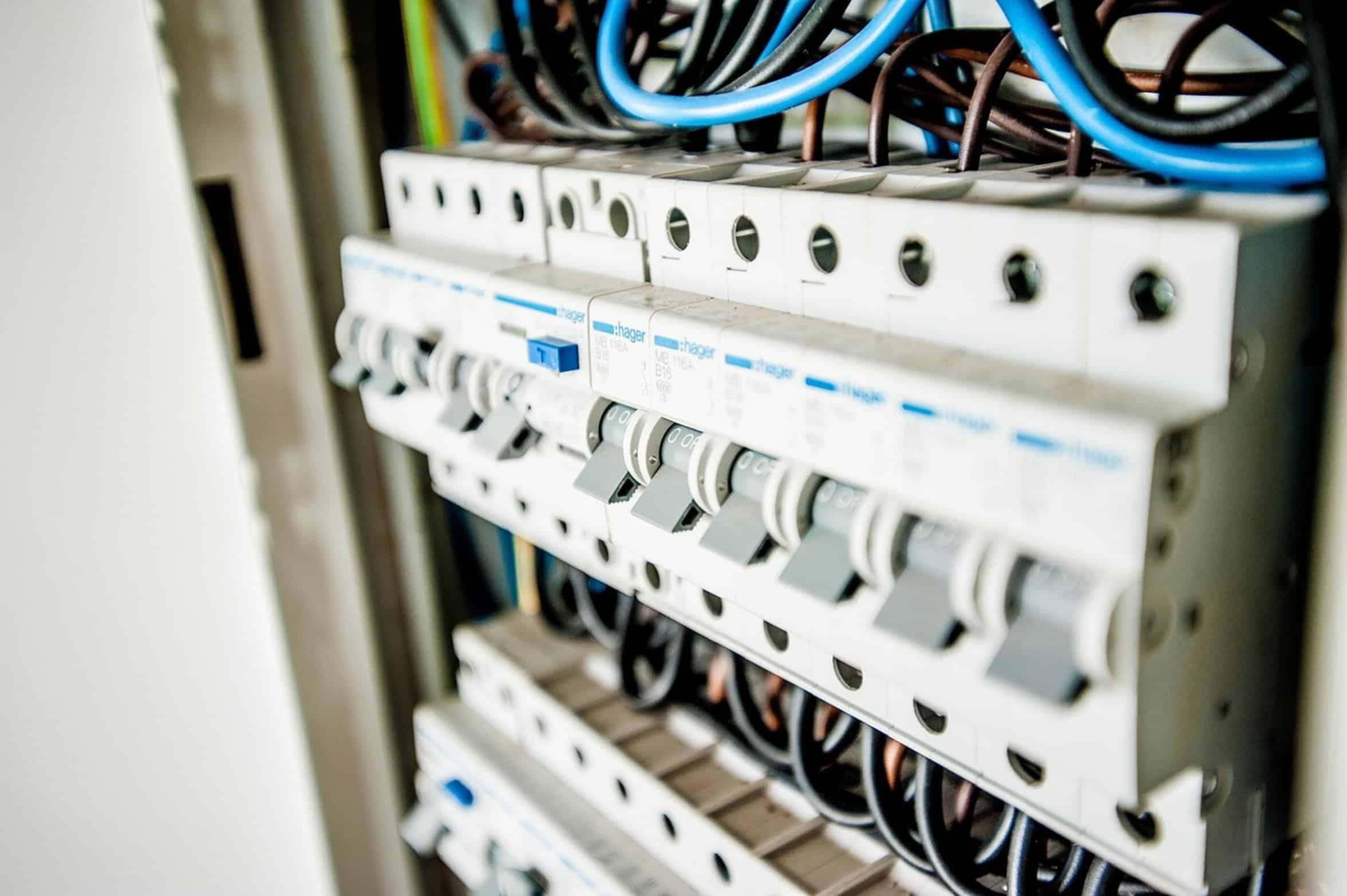
Now test saw once assembled. Plug it up and see if she fires right away.
If so then good job. But if it won’t fire or seems as though something are wrong with switch, take another look at the motor’s capacitors and also check all of your connections. A bad capacitor will make it seem as though there might be an issue with the switch but by checking methodically you should of saved yourself from replacing what isn’t broken.
A properly maintained switch ensures your Craftsman table saw remain a reliable tool in your workshop. Getting that blade turning helps you focus on your work instead of the switch.