Both the DeWalt DWE7491RS and the Skilsaw SPT99-12 are job site table saws. What does this mean? A job site table saw is not as large or stationary than other saws.
In other words, it’s portable. When you’re choosing between these two (or any), you want to balance cutting power with portability. For example, do you need a saw for renovation work?
Are you doing more finishing work? Or are you building frames? How much do you mind carrying around?
Do you care more about how easy something is to clean up? Which brand makes reliable tools? You can’t answer these questions by just saying “this is the best saw.” Each saw have features that will match your workflow.
Comparing Skilsaw SPT99-12 And DeWalt DWE7491RS Table Saws
Understanding Job Site Table Saws
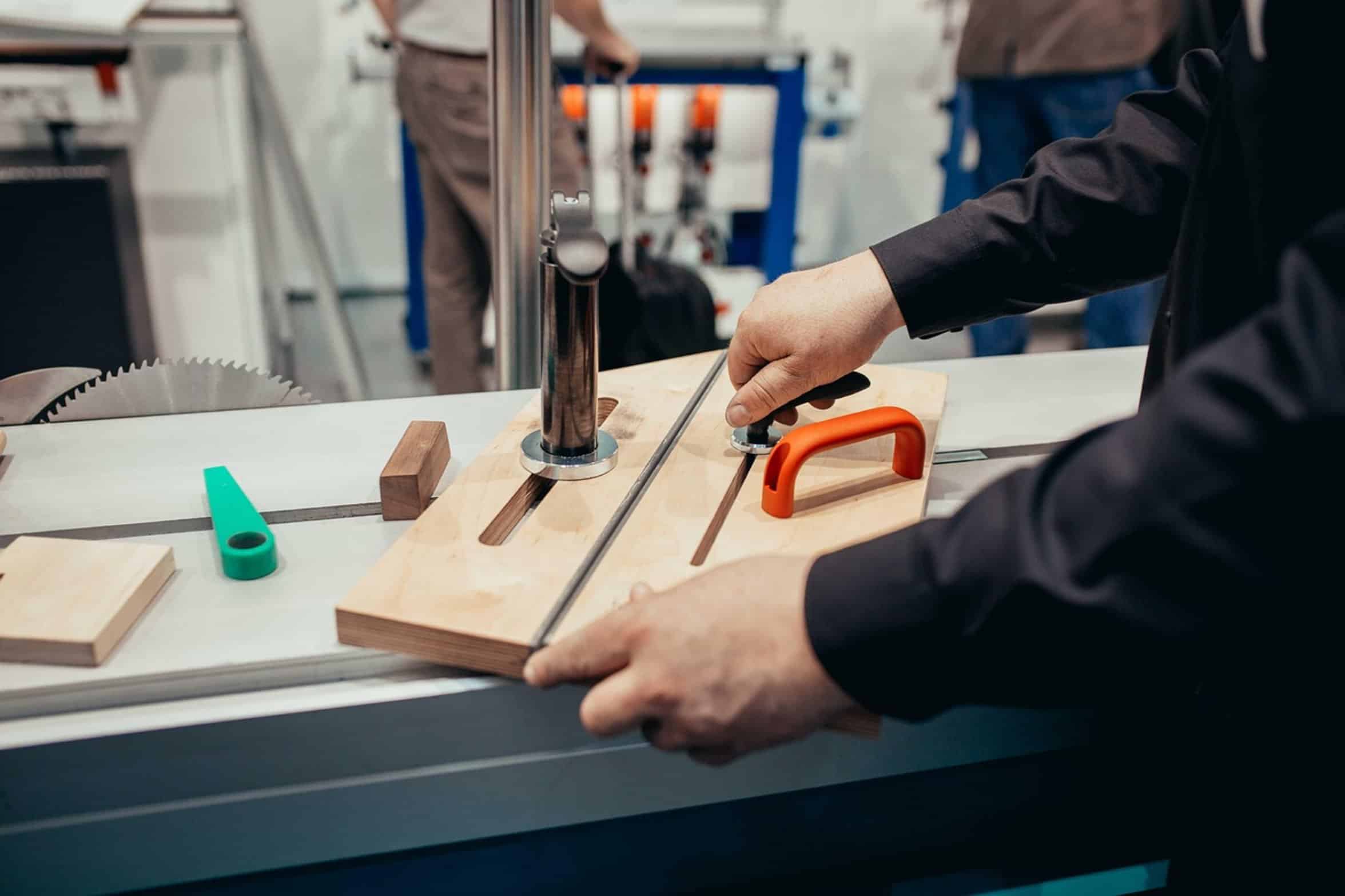
What are they? No woodworking rig would be complete without a table saw. A precision saw that won’t drift out of alignment is a blessing.
A portable saw make life easy when installing cabinets or decks. But a bulky one only gets in the way. Here are some examples from our testing.
One saw is built for heavy use and fast cuts. Another was designed to be easy to use and convenient. Knowing what each brings will keep you from having buyers’ remorse.
Stand Systems and Portability
My first impression was of the stand system. DeWalt DWE7491RS comes with a rolling stand. That’s a huge plus if you’re a contractor and jump site-to-site.
It folds nicely and wheels roll smoothly. You can set it up in under two minutes. The Skilsaw SPT99-12 does not include a stand.
You have to purchase separately (more money) which make it more of a pain to setup. It is not as big of a deal if you work out of your own shop. But if you load tools into your truck, the DeWalt are easier on logistics.
Motor Power and Blade Guards
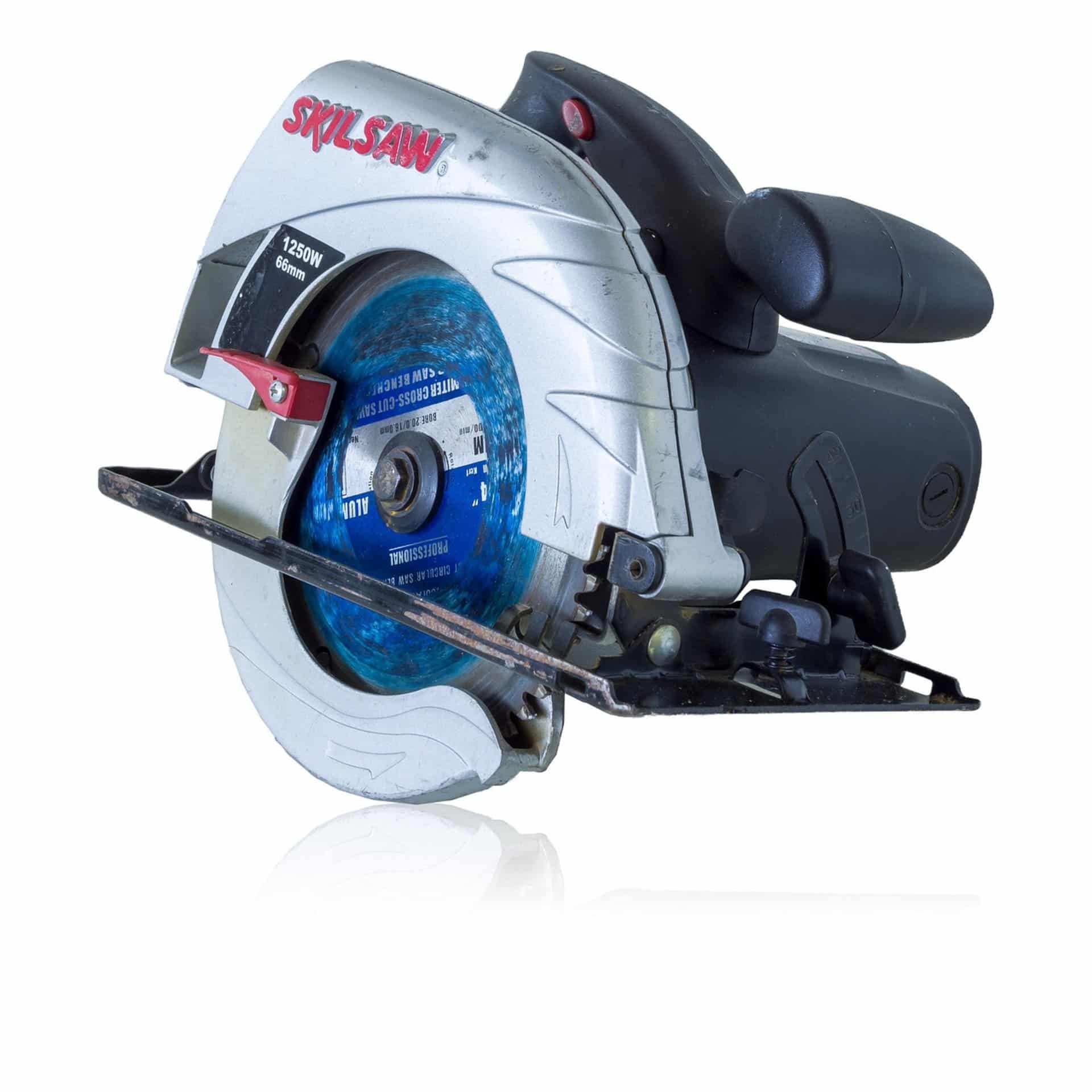
There’s also a difference in power/motor design. The 15-amp motor on the Skilsaw put out high RPM. It cuts hardwood well without binding.
It is known to be a long lasting motor. DeWalt uses a 15-amp motor as well but with a different torque curve. DeWalt also has a blade guard which some users have found intrusive.
The Skilsaw’s blade guard is lighter and less obtrusive. With the Skilsaw you get a clearer view of the cut line. It gives you a clearer sightline for precision cutting.
Dust Collection Efficiency
Dust collection is better. The DWE7491RS does capture some decent amounts of sawdust in its dust port. There isn’t any perfect dust collection on a job site saw.
But the DeWalt system do it better than the standard port on the Skilsaw. You’ll need an adapter for that functionality on the Skilsaw. For those of us who is sensitive to respiratory issues, that shroud makes a difference every day.
There is less mess in the working environment and less work to clean up afterwards.
Fence Adjustment Mechanisms
Precision in fencing matters. The DeWalt has a quick release lever that make fence adjustment quick and easy.
For repetitive cuts, this is a time saver. The Skilsaw is old school with hand knobs to make adjustments. Knobs offer some woodworkers a sense of feel, more tactile feedback.
Knob fans say they are tighter without any play. The quick release on the DeWalt can be felt as loose when not locked down correctly. So here, if you need it faster, go with the DeWalt fence.
If you demand stiffness, the Skil holds up well enough for you. That’s up to you.
Final Verdict and Key Differences
I like these things about them: The Skilsaw SPT99-12 is a workhorse.
Offers a balance of portability and power while being built like a tank. It is built to last. It is pure cutting experience, but you’ll have to pay for a stand.
This is the DeWalt DWE7491RS complete package. Dust can be controlled better. Smother interface for adjustment The DeWalt is heavier and more expensive upfront.