We’re taught that drilling is a pretty straightforward exercise in mechanics: you push, you turn, and voila, out comes the hole. But if you’ve ever worked with thick sheet metal or hardwoods, then you know that this too can be a lie. Much of what happen comes from tool itself rather than your wrist.
Somewhere between the expensive fast-moving carbide drill bits that gets all the TV time on tool commercials, there’s something called Rodman drill bits. These aren’t the eye candy names that you see flash past at 2am on tool channels, but instead are solid working bit that live on the bottom shelf of most home centers. Knowing their place is important to those seeking to balance functionality with cost.
You’re not asking if a bit works or doesn’t work. You want to know if it will work well and not break the bank at the same time with the material you’re working with. Rodman has been in business for decades.
Their tool include standard twist drills, step bits, masonry tools, etc. They are affordable, available, and everywhere. But availability is no guarantee of quality. Before you drop the coin, you’d like to have some idea of what you are purchasing.
Reviewing Rodman Drill Bits For Home Use
High Speed Steel Twist Drills
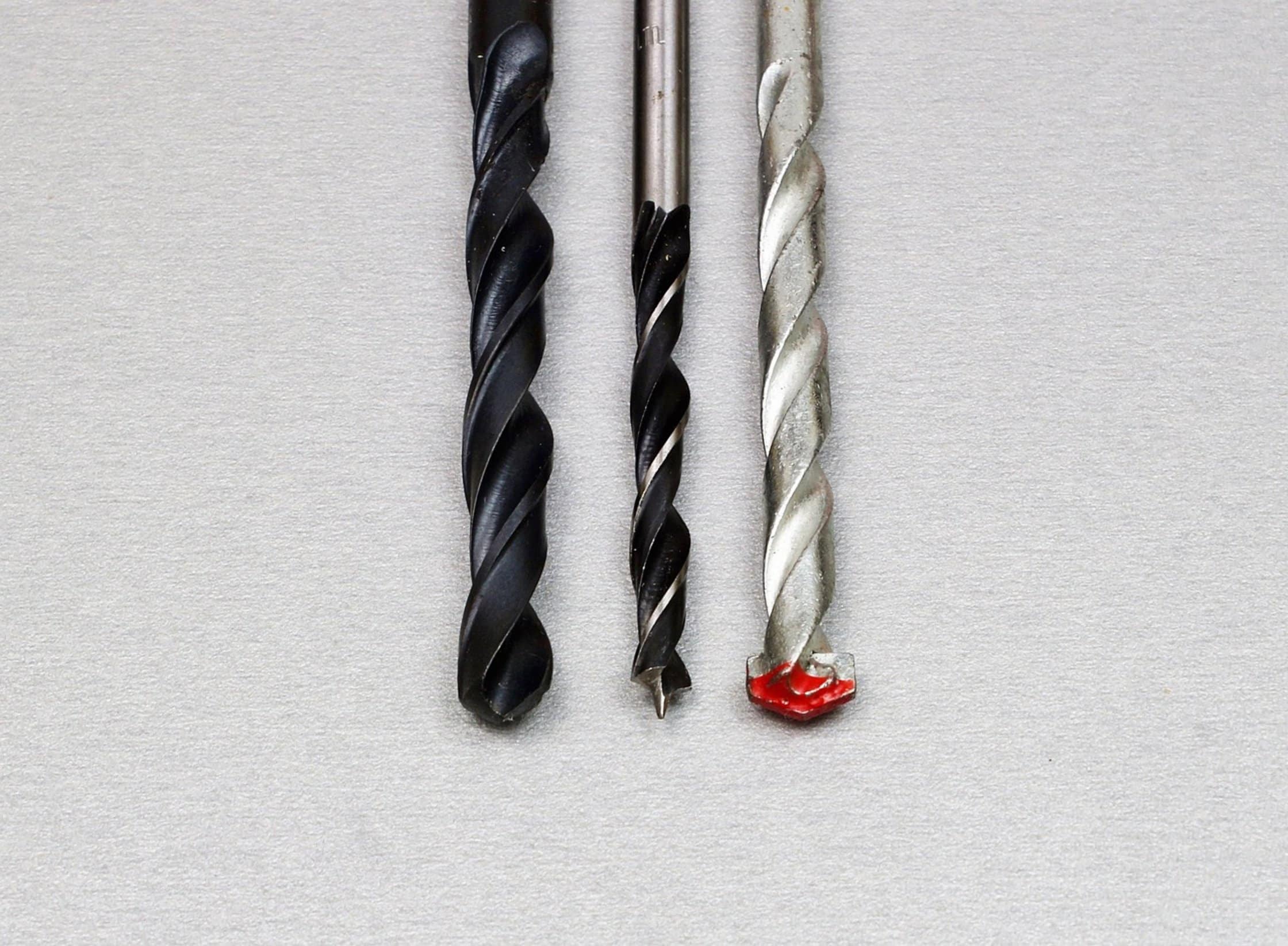
This is how it performs in the real world, it is not just the box specs. First let’s look at high speed steel twist drills. This is your go-to drill bit for mild steel, pine, poplar and other similar woods where you just need a hole.
At Rodman, they come in stock sizes and work as advertised for this level of drill. It cut cleanly through soft materials. Use moderate pressure and some cutting oil so you don’t burn them out in mild steel.
The steel quality is adequate for occasional use. They won’t win any races. But then again they aren’t precision tools.
Concentricity is sufficient for most wood working applications. But once you venture into aluminum and hardwoods, you can feel that they really didn’t had very strict manufacturing tolerances on their concentricity. And that’s OK for what they are being used for.
Reliable service for general jobs is what you’re getting here. Finesse? You won’t find the finesse of a Bahco or Brinell.
Masonry Drill Bits
Rodman makes their money in the drilling of masonry. And their masonry bits are good and cheap. Their bit can drill into concrete, block and brick with no problem.
On typical wall anchors, the bit doesn’t even get chipped up because the carbide tips is so hard. Now, there’s a catch. Use it right.
It needs to be used in hammer drill mode. Twist drill mode won’t cut through stone. Shanks are your standard quarter-inch hex.
So they fit most impact drivers and cordless drills. This is a big selling point for DIY types that don’t want to spend extra for special adapters. The life of the bits is decent.
Eventually, they’ll dull on reinforced concrete. However, replacing them costs nearly nothing. Good disposables trump expensive bit that we baby to death.
Step Bits for Sheet Metal
Another solid offering from Rodman is their line of step bits. Step bits are conical bits that come in multiple sizes per bit to drill multiple size in one pass. They are great for thin plastics and sheet metal.
Available in Cobalt and High Speed Steel, the cobalt steps are better suited to drilling thick gauge steel. Cobalt resists heat buildup and is very important when working stainless steel because it resist work hardening. The design is simple.
The steps are cleanly cut, have almost no rough edges, and are easy to see. If you don’t support your material, you’ll get a bit of tearing on the exit side. That’s just physics, not a tool issue.
A backing board takes care of that. These bits save a ton of time for appliance repair or auto work. There is no need to swap out bits back and forth.
It is very convenient. Budget bits have their limits. Budget bits have their limits.
Woodworking and Forstner Bits
Rodman offers wood bits in both twist drill varieties and some Forstner types. They come in twist drill varieties, which are good for pilot holes, and some Forstner types. The twist drills are okay for pilot holes but aren’t sharp enough to make nice big diameter hole cleanly in furniture grade lumber.
They splinter on the outside. Forstner bits is better. They make reasonably clean, flat bottom holes.
However, they get hot and it takes a sharp eye on your feed rate. Push too hard and the teeth glaze over and quit cutting. It’s more of a technique thing than a tool thing.
But hey, for decks or rough framing they’ll do the job. Don’t plan on using them for fine finish work. You’ll be haunted by the tearout.
Final Verdict and Use Cases
So overall, I think the Rodman drill bits represent good bang for the buck for everyday stuff. But they’re not pro grade tools. They perform well for consumer grade tools.
So if you’re a general contractor or hobbyist who does a mix of different things, then these bit make a lot of sense. You don’t break the bank but you aren’t losing a whole bunch either. If you’re a precision machinist or CNC operator, then nope.
The tolerances is not tight enough there. If you’re somewhere in between, then Rodman has an affordable yet reliable solution. What you pay for you get.
In this case, you get solid competence. Next time you grab one of those bits, think about what you need it to cut first. Then select the right tool for the job.
Again, simplicity wins.