You reach down to grab your Milwaukee M18 impact driver and give it a squeeze. It jolts to life and then grinds to an abrupt halt. You feel like something just isn’t right about this response, and typicaly that’s because of a surge issue.
Also known as tool/condition mismatch. It’s annoying… Particulerly in the middle of a workday on job.
None of this happen randomly. It’s an indication that something isn’t right, either mechanically or with battery charge. The more you understand about signals, the less time it will take and fewer times you’ll have to make trip to the service center.
Most can be fixed without engineering degree. You just need a small amount of knowledge regarding how high torque system react when they gets stressed. The first place you’ll want to check is battery.
How To Fix Milwaukee Tool Surge Issues
Battery Power and Voltage Drop
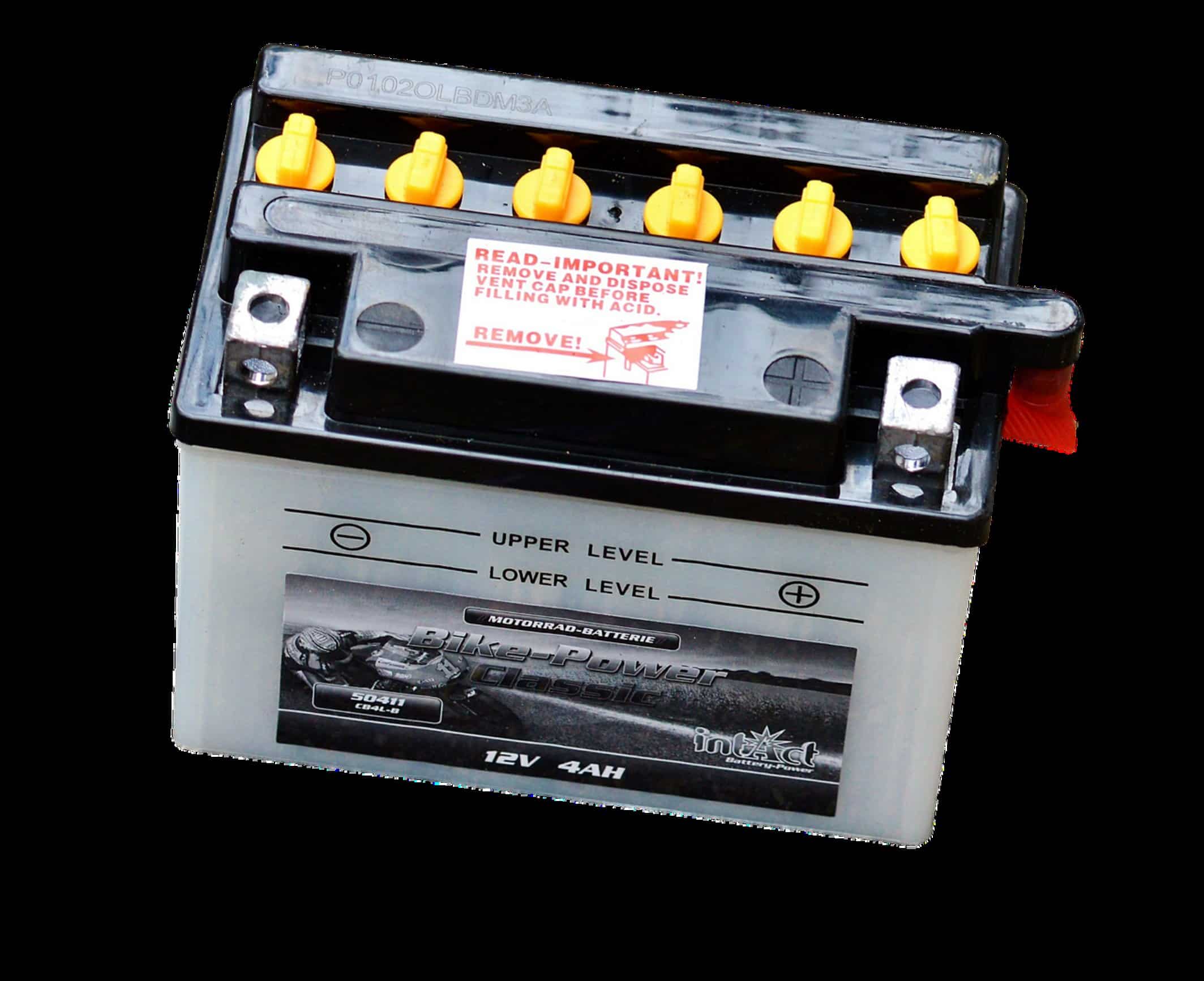
If your battery is drained or has a failing cell pack, it won’t be able to provides that constant current spike for those high torque applications. If you demand more than an already low-charge battery can provide, there is an instant drop in voltage. The tool’s own safety circuit then recognize the dip in voltage.
It then shuts down to save electronics and motor, which make it look like there was a surge when there is actualy no power at all. Always use a fully charged M18 REDLITHIUM battery when performing any heavy duty task. Generic or old batteries will hold a charge but fails under peak loads.
Mechanical Grip and Chuck Issues
Next look at your mechanical grip. The tool doesn’t like to be fighting against itself. If your bit is out of the chuck or fastener is already started, it will cause a load that looks more like an electrical surge then an actual power issue.
This cause the motor to stall and the controller to trip. Make sure you have the right bit for head of the screw and the chuck are tight enough. Any slippage here leads directly to gearbox wearing out too soon.
It is a simple fix, but one that gets overlooked when trying to get job done in a hurry. If it’s a corded accessory for Milwaukee, take a look at how you have power and ground set up. Resistance in the circuit can come from loose outlets and/or daisy chained extension cords.
Power Supply and Voltage Stability
That create voltage drops/arcing when high current is drawn by tool; the tool thinks that is an oddity. If needed, run a heavy gauge extension cord to a dedicated outlet. Don’t skimp on the cord, no thin, cheap cords that don’t carries the amp load.
We think the wall outlet will be fine so we ignore this step, but age and quality of home wiring varies widely. Then there’s the heat issue and duty cycle. The tool puts out a lot of heat when running on high torque all the time.
Overheating and Duty Cycle Limits
It has built-in sensors that sense heat and stops motors from burning out. It will feel like it just shuts off or surges, but what happens is that it shut itself off due to overheating. Let the thing cool off in between spurts where you are doing real heavy work.
There is no defect. It is how it is supposed to protect itself. Most times forcing it past the heat warning cause more damage then good.
Trigger Mechanism and Contact Cleaning
Last, check the trigger and interior contacts. Corroded contact or a sticky trigger will cause your tool to recieve erratic signals from the controller. This can make the tool think you are pulsing the power button when you aren’t.
Test that your trigger move easily and clean the trigger mechanism. You’d be surprised how often corrosion on the battery terminals happens in humid environments or dirty job sites. Just a swipe of contact cleaner or even a dry cloth wipe out corrosion and returns proper conductivity.
Little maintenance habits avoids big headaches down the road. Once you’ve got the basic stuff down, that annoying problem becomes a variable you can manage. Instead of your tools controlling how you work, you’ll be in command off your tools.
When your Milwaukee tool fail next, you’ll have an idea of where to check first. It’s not magic. It is electricity and mechanics interacting.
You should of checked the connections sooner.