When building house frame, constant forces of gravity and fatigue mean you needs something fast and reliable. On job site, this usually translate to using a Metabo HPT framing nailer, it’s just the right size, it doesn’t fight against your hand, and it simply get the work done, again and again, time after time. There are other tool out there that promise to be the lightest, the heaviest, the cheapest, most expensive, but few people realy care about any of these things if their tool jam every 5 minutes.
When going from cut to assemble, most contractor grab a framing nailer, and whether they end up with a good day or a bad one often hinges on whether there tool jams or not. A jam kills the rhythm, stalls momentum, and what was a straightforward piece of wall become a problem. The result may come as a shock to those who only consider price tag, but we put Metabo HPT through the wringer to see if their design holds up when stress all day.
Metabo HPT Framing Nailer Full Review
Reliability and Design Overview
Build Quality and Balance
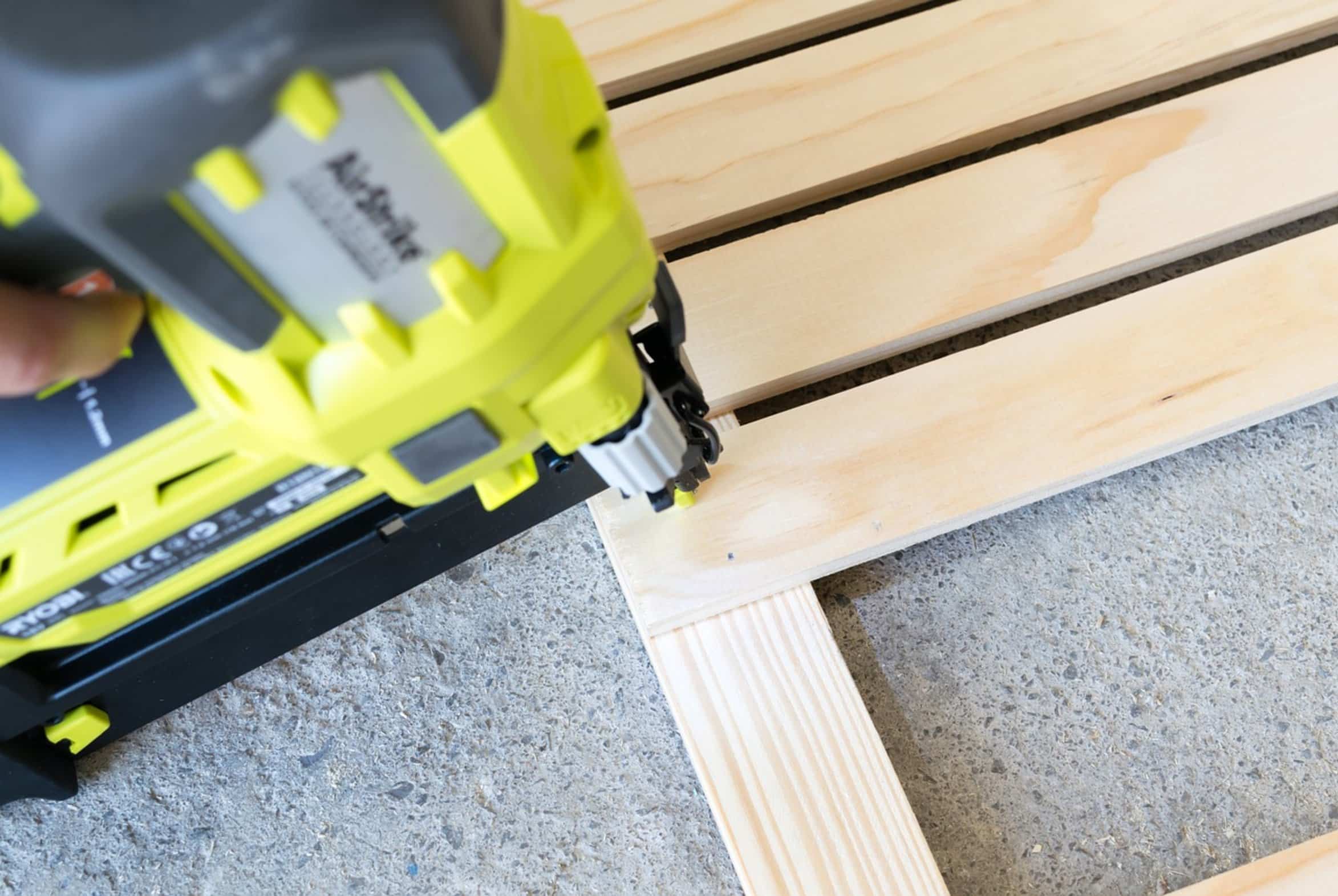
The nailer’s body feature a strong, heavy magnesium housing. The nailer has great balance. It doesn’t seem cumbersome yet it feels solid.
Weight and Vibration Control
When holding this nailer up all day (eight hours), weight become important. A lighter tool can feels flimsy and transfer too much vibration into your wrists. This nailer fall somewhere in the middle.
It is dense enough to absorbs recoil, but light enough to get into those tight area between studs. Although it won’t make you look elegant, it’ll feel stable and you’ll appreciate that.
Firing Modes and Power Delivery
Where tool really shine mechanically is its power delivery because sequential firing mode only allow the trigger to be actuated once tip is pressed against wood.
It eliminate wasted nails and prevents accidental discharge, though it do allow for quick fire with contact actuation if need be when you’re sheathing or decking. It’s seamless and tool penetrates nails deep without any stalls, even into thick hardwoods. This is why keeping that workflow going are important; stalling means picking up hammer to set headers, which slow you down and frustrates your crew.
Magazine Capacity and Anti-Clog Features
The other tangible benefit is magazine capacity, the nail strip feed mechanism fit thirty nails, meaning less reloading. The more you reload, the more you break focus. You reach down in your pouch, fumble for a strip, reload and waste time.
A larger magazine capacity mean less interruption. And anti-clog features are nicely thought out. If dirt and grit get into one of those things, it’s going to mess up your day, but there is clearances and vents built in to Metabo HPT’s design to keep it clean.
Durability and Finish Protection
It do require occasional blowing out, but not as much than some older tools do. Not all durability is a matter of how far off bridge you can drop the thing; it’s also a matter of whether its seals will last years of exposure to job site crud. The finish hold up to abuse, though you will obviouslly scratch it.
It’s made from a magnesium alloy that doesn’t corrode or dent as easy as plastic bodies and holds up well to abuse. Will you scratch it? Of course, but there’s still plenty of life left in the body and it won’t go flimsy on you anytime soon.
The investment should of been paid back in strength over flash. Pass it down to your buddy who want to learn. The safety features are nice since they’re often an afterthought.
Safety Mechanisms and Exhaust
The trigger is in right spot to prevent accidental pulling. The tip contact point isn’t twitchy, but it is sensitive enough that if you mean to pull the trigger, it will happens. It’s also designed to keep exhaust port pointed away from the operator which keeps oil and dust off of your face.
Little things like that realy add up on a long shift and help you see better with clearer eyes. When lining up those plates in low-light conditions, that matter. Ultimately, though, Metabo HPT framing nailer isn’t the sleekest design or loaded down with newest electronics.
Conclusion: Workhorse Reliability

It’s not a race car; it’s a workhorse. But it has what’s better than that, reliability. You need to know this next nail will go straight and true when you’re laying down floor joist or building a roof ridge.
You need confidence. And with this tool, you get that peace of mind and can focus on the build, not the breakdown. That’s what keeps it in belt.