There are basicly two camps for circular saws. If you visit any online forum or hardware store, you’ll find both sides of fence. On one side is worm drive camp.
They likes the offset handle and overall power from it. On the other is trusty sidewinder crowd. They like its speed and balance.
Then there’s the Makita Hypoid. It sit somewhere in the middle. It looks different.
It feels diffrent. And that’s enough to confuse most consumer about its place in the market. Making a choice involve more than selecting a brand name.
It’s matching the machine with how you cut. What do you do every day? Are you framing house and ripping out 4x4s?
Or are you trimming plywood for cabinet work? Knowing the answer help determine how much weight you’ll be able to handle, and how much torque you’ll require. If you fight the tool, you would of made the wrong choice.
Comparing Makita Hypoid And Worm Drive Saws
Choosing the Right Circular Saw Type
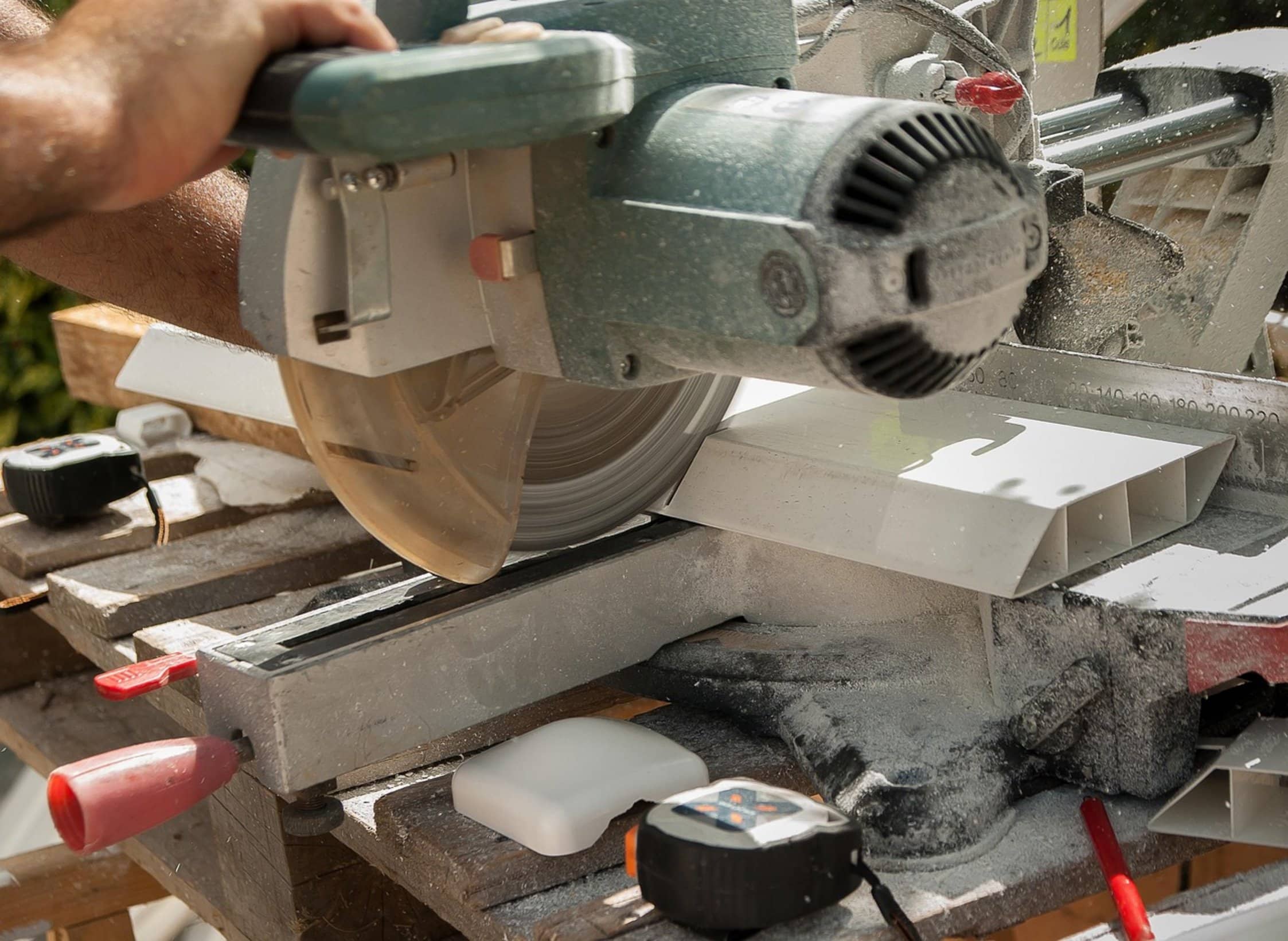
In the case of the worm drive, the motor sit behind the blade. Power travels through gears that spin 90 degrees. It offer a huge mechanical advantage.
If the blades is roughly equal in size, you’ll experience greater torque with the worm drive then you will with a sidewinder of like size. What’s the catch? Noise and weight.
Because of the gearing system, it gain weight. It adds mass because the gearing system are robust. The handle itself move off center to the left as well.
Worm Drive Saws and Torque
That puts you out of harm’s way on the cutting line, but shifts balance point completely. The Hypoid gear system from Makita is what broke that paradigm. Instead of going with traditional worm gears like most do, they went with a spiral bevel gear design.
Makita Hypoid Gear Design
And while the motor isn’t as close to the blade as a worm drive saw, it’s not as far away than a sidewinder. So you’re somewhere between the two and aiming to get benefits of each. So you has greater torque than a conventional saw.
But you also have more centered balance point. And because the handle stay straight up and down, it feels comfortabley for the majority of people. For heavy framing, it’s all about torque.
When cutting into thick lumber or deeper kerfs, the blade want to slow down. Here a standard sidewinder can bogs down. The motor struggle to keep pace.
Because the worm drive has such a high gear reduction, it handles the load easily. In the middle ground is the Makita Hypoid. You get some of the punch that a sidewinder provide but may be challenged a bit by the brute force of a top-tier worm drive under extreme conditions.
Balance and Fatigue Factors
Over time you will notice how balance affect fatigue. The worm drive are heavy. It’s front heavy.
This will tax your shoulder and arm on long horizontal cut or even an overhead cut. The Makita Hypoid has more neutral center of gravity. Lifting it up to do a high cut feels different, and less taxing.
The old school sidewinder is lightest. It is quick and nimble. If you need a saw that is fast and agile then the sidewinder still king.
Visibility and Handle Position
When making cuts it help to be able to see what you are doing. On the left is worm drive handle. Placing the handle on the left put your arm and hand out of the way of the kerf and blade.
You don’t have to block the cut line with your body, so you can actualy see where you are cutting. The Hypoid version of the Makita have a straight handle. This place your hand above the blade.
Most saw are like this. There is nothing wrong with it; it works great for most applications. But if you’re cutting on a narrow board and need to make a precise cut along that line, design of an offset handle on a worm drive give you a clear advantage.
Noise and Vibration Differences
The designs do differ in noise and vibration. Worm drive units are said to be noisier. There’s a distinct whine as the gears mesh, which travels across a job site.
The Makita Hypoid run quieter. Its spiral bevel gears mesh together more smoothly. That translates into less vibration moving through the unit and onto user.
Less vibration over an eight hour day mean less hand fatigue. It also put less strain on your joints. This is a subtle but often overlooked benefit that you won’t notice until you have used both styles of unit for some time.
Final Selection Based on Use
In the end it comes down to your primary use. Do you rip a lot of thick lumber as a framer? Then the worm drive still king.
You get the added torque and can deal with the weight penalty. Are you a finish carpenter, trim guy or someone that does more general carpentry? Then go with the Makita Hypoid.
It’s lighter, but has plenty of muscle for most use. For fast and light cuts, the sidewinder is still tops. How much weight do you want to be carrying?
What cut are you making regularly? You know how it is, when you have the right tool, it’s like part of your arm. When you have the wrong tool, it feel like a burden.
Pick the one that fits in your hands.