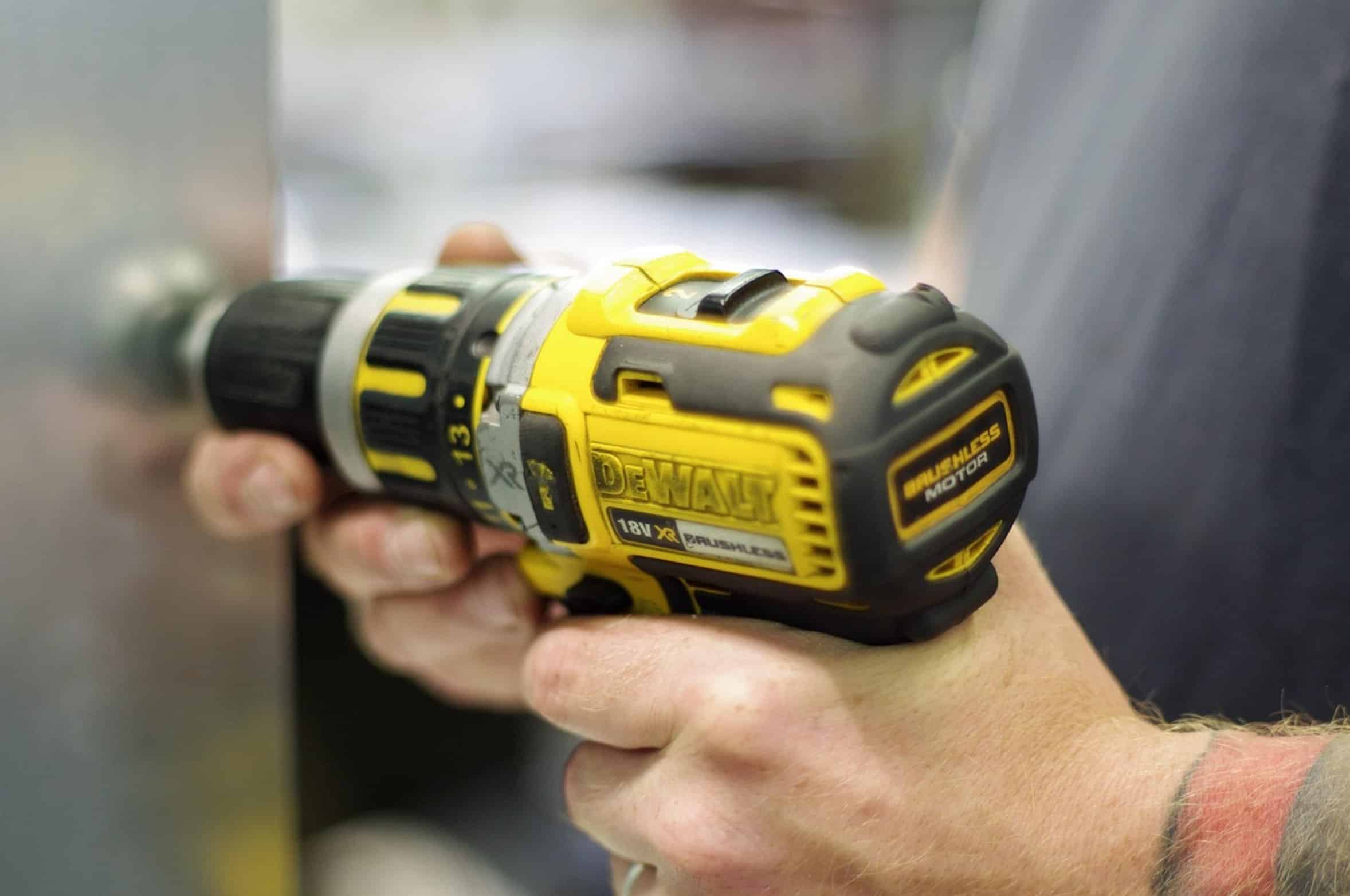
You’re halfway through a project when the drill dies. Battery indicator says it’s low, but you don’t make it far enough. What gives?
It’s annoying when you buy what you think should of be a quality brand only to find out that half way into job it bites the dust. In most cases, it’s not that the battery are bad. Most of the time it’s a very basic mistake with care and feeding.
Knowing more about lithium ion batteries will help resolve these situations. Batteries is often considered an infinite source of power by many users. Wrong!
Fixing Cordless Drill Battery Charge Issues
Why Lithium-Ion Batteries Die Early
Keeping a battery on a charger constantly or letting it run down to zero wear out lithium-ion cells over time. Extreme temps are not good either. A battery exposed to cold weather in your garage or baking in a hot truck lose power.
Before replacing your battery, look around and see what could be killing the battery’s life. The next thing to attempt is cleaning the contacts. Over time, copper terminal will develop some oxidation that stop the flow of current.
Cleaning Corroded Battery Contacts
In many cases, you won’t even be able to see the corrosion. Use a cotton swab and isopropyl alcohol to rub the terminals clean on the drill and the battery. Allow the alcohol to dry and then reinsert the battery to test it.
Most times this simple repair solve your problem at no charge. The life of the battery has as much to do with storage as usage. Don’t leave the battery on the charger after full (one-hundred-percent) charge.
Proper Charging and Storage Habits
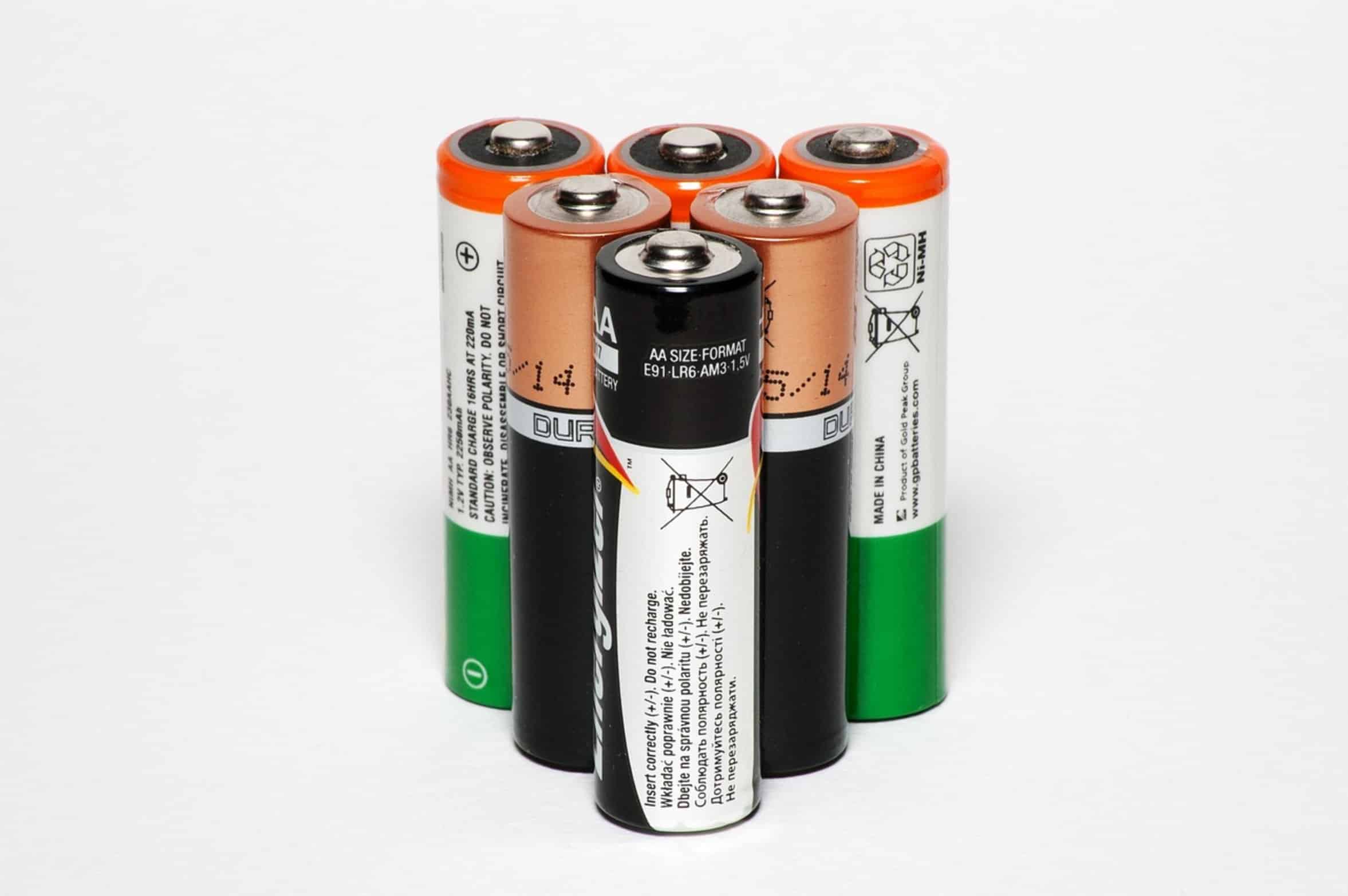
Leaving it charged too high for too long stress out the chemical structure. Worse yet don’t let your battery discharge to zero percent because then it might go lower than the safe threshold and lock up the pack. It’s best to store your battery somewhere between half-charge (fifty percent) and full-charge.
Also store it at room temperature. That reduces the stress on the cells. Another reason why your battery might not last as long is because of its age.
Understanding Battery Lifespan and Age
A lithium ion battery can only be charged a certain number of times. These days most batteries comes with five hundred to a thousand charges before they need replacing. So if you have an older battery, say five years old, that’s been used heavily, it could just be reaching the end of its life.
It’s probably time to replace it if your battery hold less than half the charge it used to. But before you replace it, make sure it isn’t an issue with storage or cleaning. An old battery still can works on lighter duty.
If you think the percentage showing on the gauge isn’t right, you can calibrate it. The gauge calculates power left by measuring how much the battery drops in voltage. So if you regularly run your battery down to zero, the gauge will eventualy lose its calibration.
Calibrating Battery Fuel Gauges
When that happens, the drill won’t stop until the battery is completely empty even though the gauge says there is still power left. Calibrating it involves running it until it quits, allowing it to rest for an hour or so and then charging it back up to full without pausing until it reaches a hundred-percent charge. That trains the electronics what limits is and makes the power readout accurate again.
Another major influence on performance are the environment. The efficiency of the lithium ion chemistry drop in cold conditions. At lower temperatures, ions flows slower.
Temperature Effects on Performance
It’s not a failed chemistry; it’s just a condition that improves with time. Pre-warming your battery will make it perform better. If you are operating in cold weather, bring the battery indoors.
As it warms up, the battery will return to full capacity. Excessive heat is worse because it will cause faster breakdown. Batteries should never be left in a hot car where the interior temperature may exceed safe levels.
Routine battery care is necessary to keep them healthy. Clean the contacts frequently, don’t let it get hot or cold, and always leave your battery partially charged when stored. Doing these things can prevent most issues.
Routine Care and Safety Tips

And if one does go bad, buy a genuine replacement battery from a reputible brand. Knock-off batteries are cheap but not safe. They’re usually missing critical safety circuits and can cause a fire.
Invest in good batteries, protect your time and your tool. Take care of your tools, and your jobs runs smoothly.