There are times when you just can’t get job done with your cordless drill. Sometimes you have an old piece of scrap metal that needs removing from yard. You might have a tree branch hanging too low or a nail stuck in one of your studs.
For this you break out the reciprocating saw. It doesn’t ask much of it other than to get through whatever is in its way. And it does so with brute force.
Detailed Review of Chicago Electric Reciprocating Saw
Why You Need a Reciprocating Saw
There are many choices in market these days, ranging from pro-level models on down to economy entries. It can be hard to know where to begin; you’d like something powerful and reliable but not too heavy. Home center brands are found at that lower end, with Chicago Electric being an entry level offering.
Chicago Electric Reciprocating Saw Overview
So does it hold up to its bargain basement price point? When I tell people this saw is inexpensive, they automaticly assume it’s going to be junk and fall apart in no time. That’s how my mind thinks when I hear about cheap plastic consumer products.
But power tools aren’t the same. If you can understand its limitations, some lower-cost options stands up really well. The Chicago Electric Reciprocating Saw isn’t attempting to become a DeWalt or Milwaukee tool on a jobsite.
It’s just trying to get through some weekend work at an affordable price. Know what it’s capable of before you purchase it. My first impression is the build quality.
Build Quality and Motor Power
It is made from impact-resistant plastic (not the soft rubber found on many other housings). It feels solid in hand. Standard for corded saws at this price point are the 12-amp universal motor.
For light metal and wood it’s got plenty of torque. Plenty of power to cut through a 2×4 without stripping out the motor, so good enough for main tasks. Because it’s a corded tool, battery life isn’t something to worry about.
As long as there’s an outlet nearby, you have unlimited runtime. That’s a major plus compared with less expensive cordless tools. Without having to swap out the battery, you can spend an entire day tearing down shed.
While it has a long-enough cord to work for most indoor projects, you may require an extension cord when tackling big jobs outside. Consider that ahead of time so you don’t go cutting and end up running out of cord. The design is simple.
Design Features and Usability
No, it’s not a variable speed trigger. There are pros out there who love their variable speed triggers, especially when making a delicate cut. But again, given all the abuse you can put these things through in demolition work, a simple on/off switch is perfect.
Having it go full speed or no speed are ideal for this type of work. The fewer mechanical failure points, the better. Blade change-out is toolless: You simply slide a bar and the blade pops out.
That is important for a tool you don’t use often. It’s annoying to fuss with screws when you haven’t used it in awhile. The Chicago Electric features a standard universal blade clamp.
Buy whatever reciprocating blade you want, any brand. No need to be locked into pricey proprietary choices. It saves money long-term.
Performance and Limitations
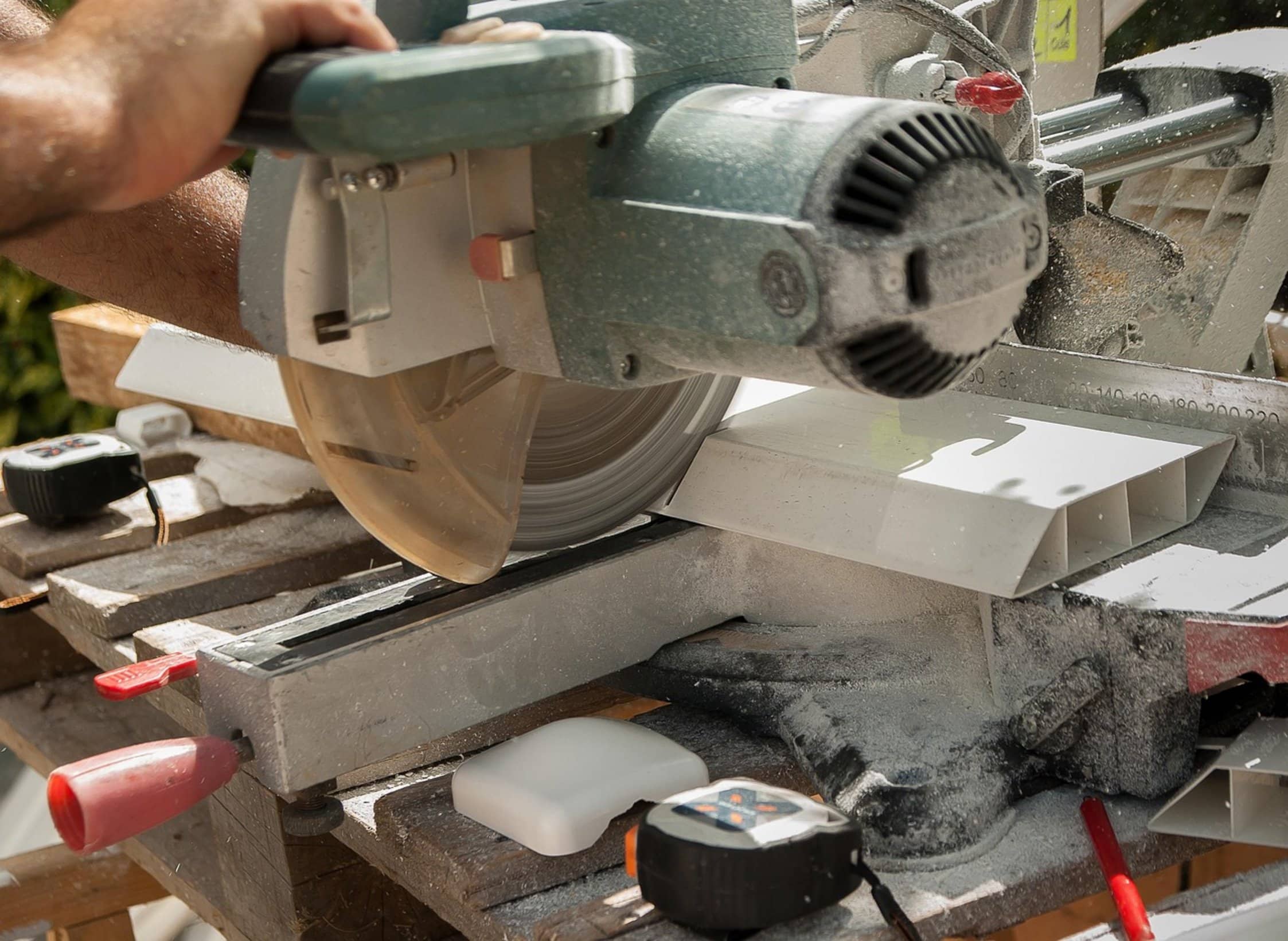
The vibration control is minimal and the tool shakes. The mechanism of the saw throws the blade back and forth rapidly, which causes the tool to vibrate. That’s what cheap dampening materials do.
They break down and you feel the tool shake in your hands. Wear some gloves, take breaks. It’s not going to be as silky smooth as high end stuff but it will get job done.
The fatigue isn’t the fault of the tool but rather the fatigue. The main selling feature here is the price. I’ve seen this saw available for less than $50, and that’s chump change compared to name brand tools.
Value and Durability
Spend a couple hundred bucks on a reciprocating saw if you’re gonna use it every day, but for someone like me who breaks one out once or twice a year, paying that kind of money don’t make much sense. It works well enough for an occasional beating and fills that void nicely. It’s not going to last a decade of constant abuse.
The gears can grind, and the switches will eventually go bad. But for everyday home owner, this thing will far outlast whatever project you have planned for it. Everything from drywall, to wood, to pipe comes right off of it.
Nails in wood don’t even faze it. That gives this thing the versatility that makes it a workshop staple. Think about the warranty.
Safety and Maintenance
Home center brands usually provide basic coverage for one year. Some need you to provide proof of purchase so read the fine print. If something goes wrong early on, hang onto that receipt and protect your investment.
It’s a little step that could of given you peace of mind. It’s light. For a workhorse kind of tool it is lighter than most of industrial ones.
When you are up on your toes and need to cut overhead or in tight spaces, that matters. Because the handle is close to center of gravity it balances well. Kick back is controllable.
That’s good for safety. And although a light tool can be twitchy, this feels just planted enough so that you can control your cuts. It’s cleanable: The blade slot will catch dust and other dirt, so just give it a wipe-down after use.
Overheating isn’t common, but can occur if pushed to its limits. If it’s sounding strained, let it cool off. Hear what your motor says; it’ll tell you when to ease off.
Final Verdict
In the end, the Chicago Electric Reciprocating Saw is a good purchase. There are no frills added to price and no extra things to go wrong. It is just a good saw that brings power when needed.
It is a saw that cuts. That is all. And sometimes, that’s all you want.
It is a saw that makes hard jobs easy. It lets you confidently take on that stubborn nail or overhanging limb. Point it in the right direction and let the saw do heavy lifting.
That alone makes it worth the money.