It’s easy to get lost in the drill section at big box store. You walk up and find yourself surrounded by rows of seemingly identical cordless drills. They is the same shape.
They are the same color. There’s a Milwaukee next to a DeWalt next to a Chicago Electric. On paper they all seem like they’ll do job for those weekend projects.
You want something you can use to assemble some furnitures or hang up some shelves. The store brand have an attractive price tag next to pro stuff. It is a fraction of the price of professional tools.
That’s where we are tempted, as casual users. But when it comes to purchasing a drill, most of us aren’t realy thinking about initial purchase price. We’re thinking about total cost of owning it over time.
The right choice keeps you moving forward without frustration, while the wrong one can leave you stranded mid project with a dead battery or a stripped chuck. How do you make that smart purchase? Knowledge is power.
Understanding Tradeoffs Before Buying Chicago Electric Drills
Budget Drills and Initial Tradeoffs
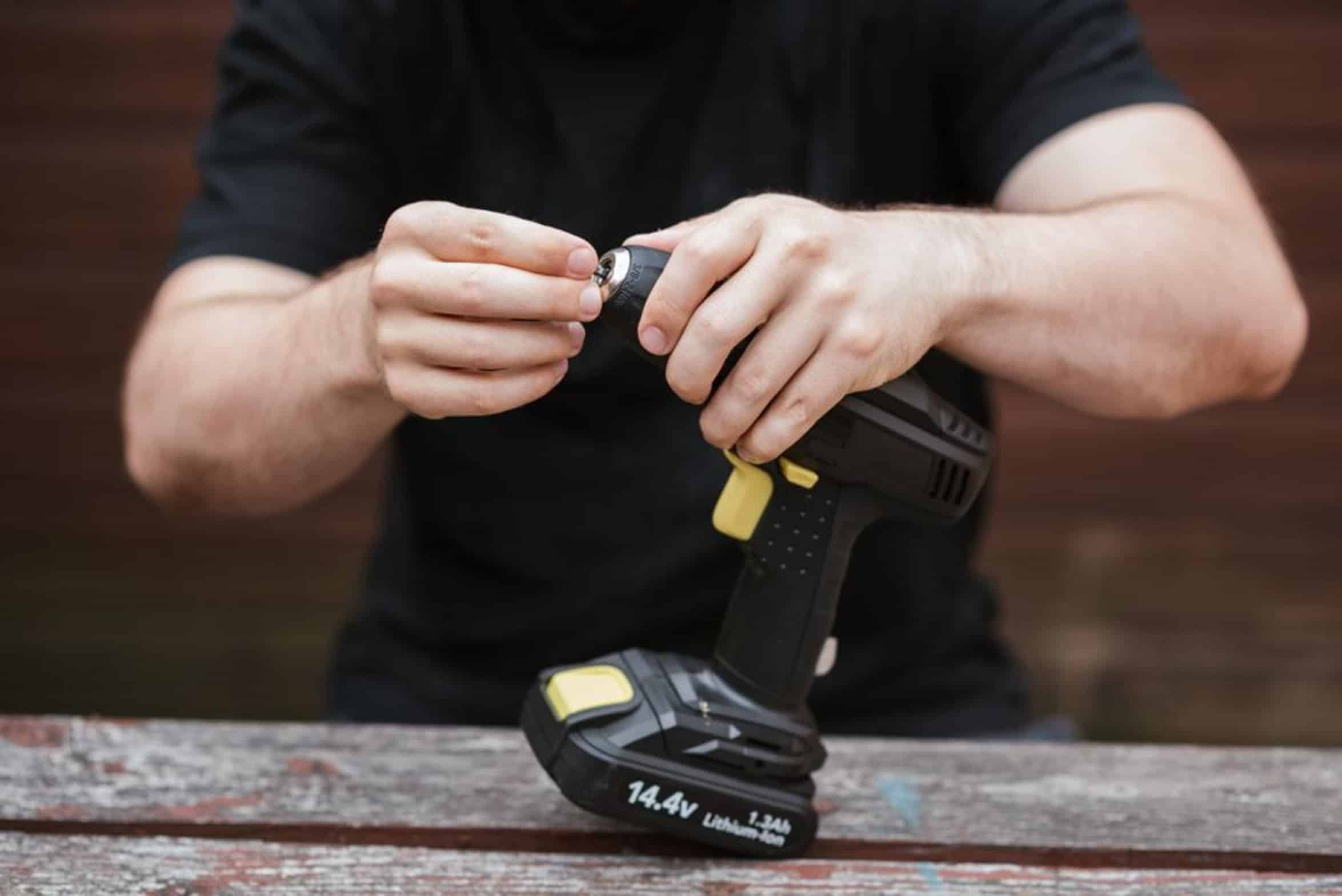
Knowing what you’re saving by going with name brand instead of store brand helps you understand the tradeoff. This is the budget. Chicago Electric is one brand from the budget end of the power tool range.
Known as exclusively distributed by stores such as Harbor Freight, they has their sights set on making power tools affordable for all. As such there are tradeoffs to consider before purchase. Their products is designed first for affordability instead of longevity.
Build Quality and Mechanical Limitations
Housings will be plastic in many cases and perhaps lighter than anticipated. For those looking for portability, that might not be a bad thing. But for folks that desire something rugged for tougher jobsites, it’ll turn into a con.
The chuck won’t grip as well as premium drills when tightened down. So your screw might start turning but never get driven in. This results in wasted time and energy as well as possible damaged workpieces.
Learning how these mechanics work will help you set the right expectations. If you’re working on a professional construction site, don’t grab the drill from your basement. That’s for your home garage or shed where conditions is controlled.
Keep it to its design limits and it’ll serve you well. Cross that line and it will disappoint. A big piece of long term satisfaction are the battery ecosystem.
Battery Ecosystem and Tool Compatibility
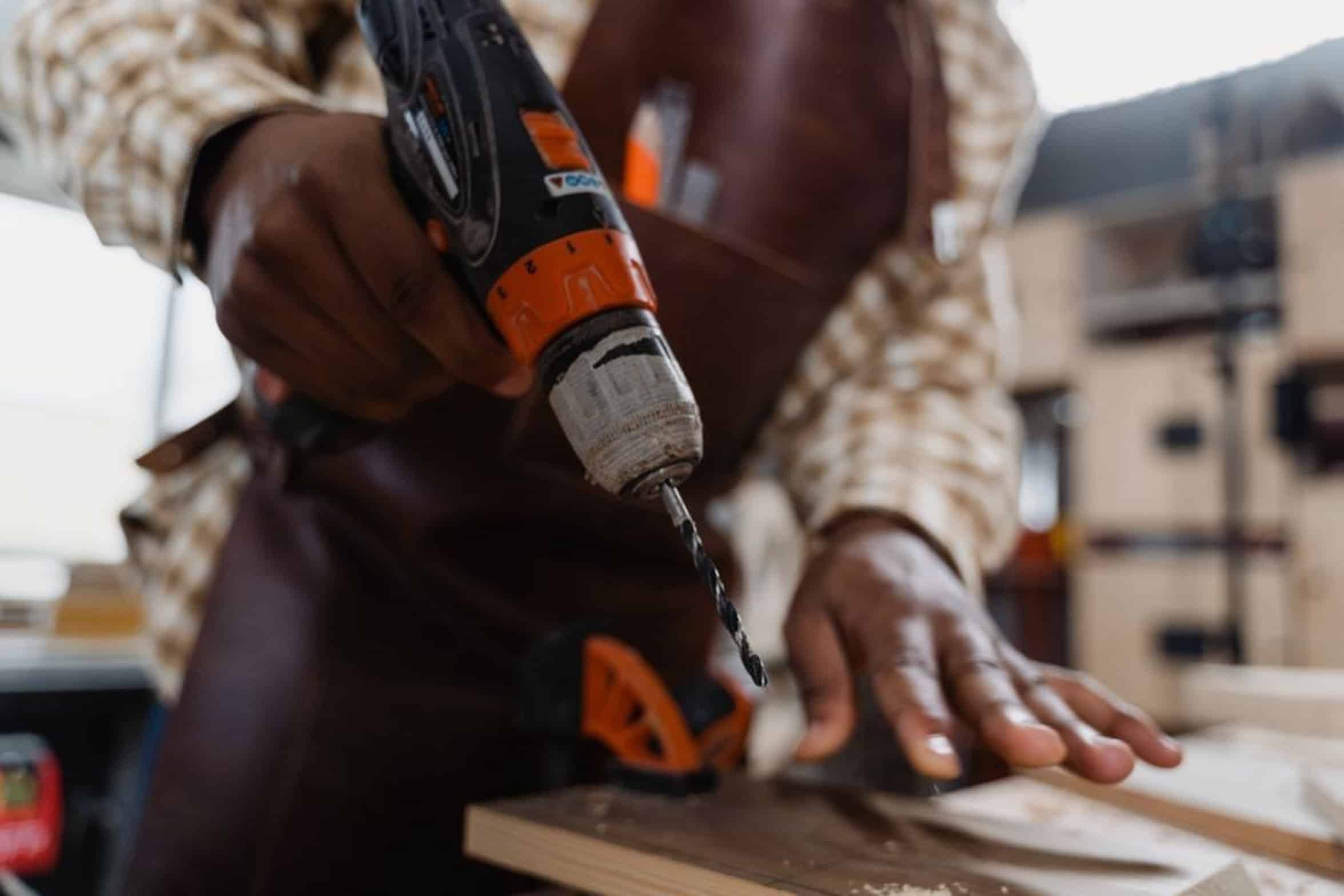
Drills come in systems. Name brands like Ryobi or Makita sells drills as part of a larger system. These include drills, saws, and other tools.
And they all charge on one battery charger. Chicago Electric batteries is generally proprietary to their specific line. The batteries are not interchangeable between two drill.
That means you can only buy what works within their system. Not a huge deal unless you want more than one tool. If you just have one drill and need it occasionally, no problem.
But if you want to add another tool, it will start costing you now. Pretty soon you have 3 different chargers and 3 different batteries for 3 different tools. That doesn’t help you at all.
Think about where you think you may go in terms of tools before locking yourself into one. Already got some other tools? Stick with what you know.
Mixing things up becomes a logistical nightmare in the shop, keep it all the same. Make life easier. Save money in the long run.
Warranty Coverage and Customer Support
Brand tier also changes how much warranty coverage and customer support you get. Big name brands has extensive service networks and strong warranty guarantees. Need assistance?
Simply stroll down the street and visit your local retailer. When something goes wrong with a Chicago Electric, it’s back to email claims and mail in warranties. This is not ideal if you want a fast solution.
Store brands does not have any local service locations. So if your motor craps out at year two, you’re stuck going through customer service line. It could take weeks or even months.
That’s how long it may take to get fixed. In the meantime, you don’t even have the tool that you relied on for projects. With major brands, they’ll typically make things right more quickly or provide an easy way to get repairs.
They cater to pros… People who can’t be without their equipment. For home owners: The ease-of-support needs to be measured against reduced purchase cost.
If something goes wrong and you can’t get it fixed quickly, then what good did you buy? Consider how much time you’ll spend waiting on warranties. That’s an overlooked sunk cost.
Not apparent at the moment of purchase. How often do you actualy use it? This is where all buying decisions should end up.
Matching Tools to Usage Frequency
Do you only have to drill a hole every month? That’s why budget one fits right in. Unless you plan on doing a lot of drilling, you’ll probably grow out of it before you wear it down.
Get the cheap one; if you never use it and don’t like it, you won’t feel buyer’s remorse. If you’re a hobbyist or just into home DIY projects then middle of the road brands is the sweet spot. There is plenty of quality with this type of tool without breaking bank with contractors grade equipment.
Save that for the guys who use these day in and day out. Buy what does job so you don’t buy too much. If you need a good starter drill, the Chicago Electric is a decent choice.
Just make sure to keep your use of it within reason. Don’t think it’s going to last 10 years of hammering away or do anything miraculous. So choose wisely, and remember to decide based off how often you will actualy pull it off the shelf.
If you’re doing a single room, consider all of your projects for that space. If you’re a DIYer on a budget, take into account your total project list when selecting.