
The drill’s light goes red, and there you are mid-project. Where did I put that charger? Oh, somewhere in the back of the shed.
Then the temptation to just hack it together hit. There’s that USB port in your laptop. That wall outlet right there.
Just plug it in without all that damn hassle with the brick. Hack around the system! A little triumph against bureaucracy.
And a way to kill a battery. It’s understandable; who doesn’t want to skip this step? Building takes time and waiting for your battery to charge are the slow part.
Why You Should Never Bypass Your Cordless Drill Charger
Why You Should Not Bypass Cordless Tool Chargers
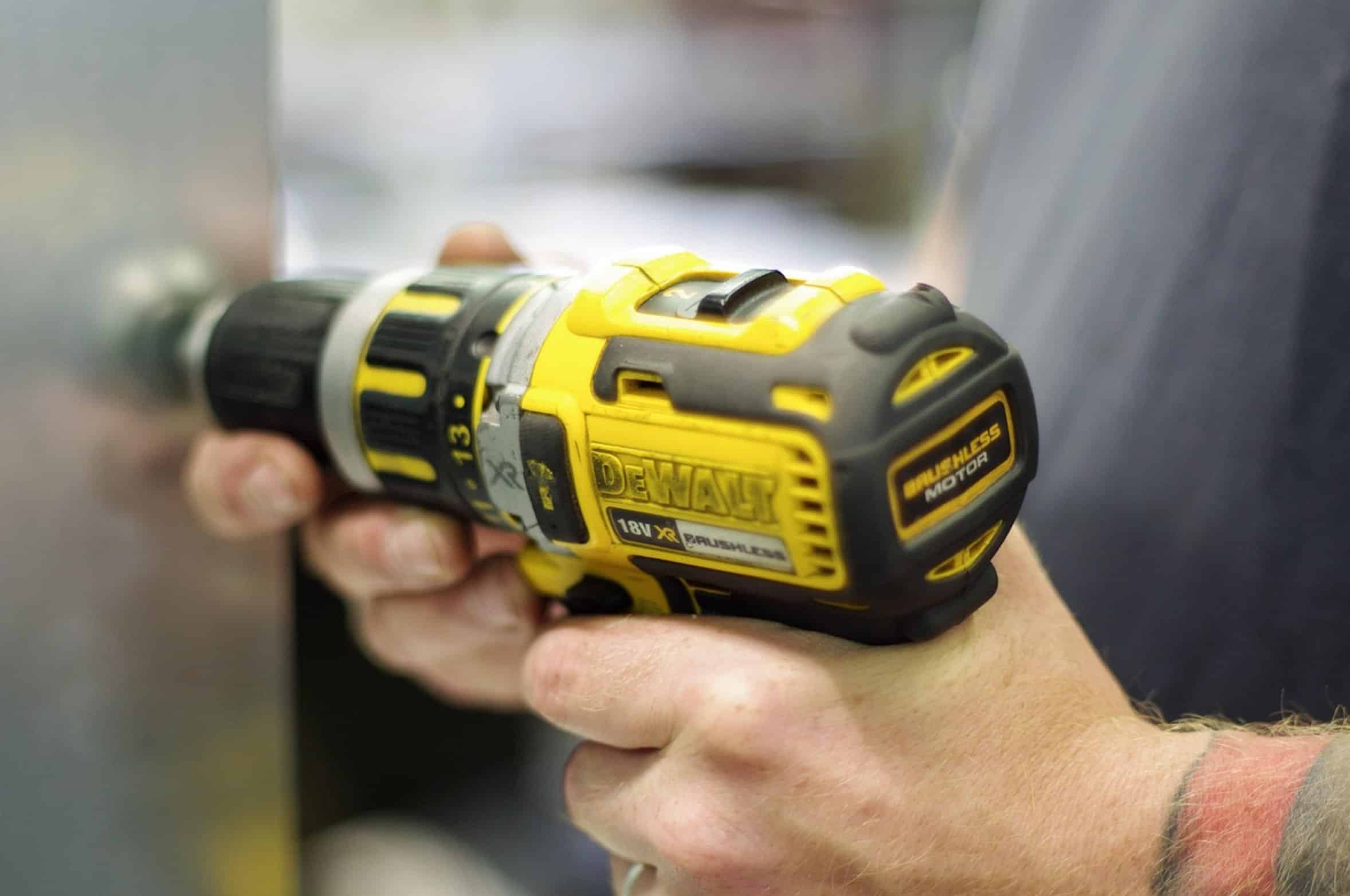
But cordless tool aren’t just simple motors anymore. They’re computer systems inside plastic. And while charger only pushes electrons, it doesn’t do so without talking to the battery.
It measure its temperature. It monitors the balance of cells. It takes into account the intelligence of its battery.
By removing this from the loop, you remove safety net. You trade in risk for convenience. The vast majority of batteries in use today are lithium-ion cell.
The Dangers of Lithium-Ion Battery Misuse
Lithium-ion cells is very efficient and hold a lot of energy. But they’re also volatile if handled impropery. They must be regulated for voltage.
They must be limited for current to avoid overheating. The charger regulates them for you. A raw power source won’t.
What’s the difference between what your wall outlet provide and what your battery will accept? It’s called fire danger. That’s where fires begin.
Why Bench Power Supplies Fail to Charge Batteries
Someone will post saying use a bench power supply. Sounds reasonable. Set the voltage.
Control the amperage. Think you’re emulating the charger. Missing half of the equation.
There is a communication protocol used by the charger. The charger send data pulses to the battery management system. And without it, the battery might refuse to accept a charge.
It might even lock up completely. You wind up with a good-looking brick that contains no power. Failure isn’t even the risk.
Understanding Battery Management Systems
Thermal runaway is. Charging lithium cell too quickly makes them ignite. The standard charger limit current to match what the cells can tolerate.
A wall outlet can dump far more current than that. Bypass the limiting circuit and those cells starts to heat up. Heat them beyond a critical point, and then they give off oxygen.
Oxygen combines with the electrolyte. The result is a fire that’s hard to put out. Insurance companies knows about this.
They’ll often void your policy for modified battery system. There were some nickel cadmium batteries that weren’t so picky. That was more forgiving.
But those days are long gone. Now most Makita, Milwaukee, and DeWalt tools uses lithium. Even your old 14.4 volt DeWalt probably has a moddern BMS in there somewhere.
The Right Way to Manage Charging Time
Age is no indicator of chemistry. Form factor does not guarantee the chemistry. Assume complexity.
Assume the electronics. The right way to get around a dead battery is to swap out packs, not bypass your charger. The pro solution is to have two on the jobsite.
Use one and charge the other. You won’t have to wait. There is no risk of damaging your hardware.
It costs more up front, but it costs less in the long run. You would of had to replace that broken pack anymore. You will have no more down time from that failed tool.
Risks of DIY Charging Circuits
Online you can find DIY charging circuits. Those appear clever. They are simple resistors and diodes.
They ignores the cell balancing function. Your pack’s cells will slowly drift apart. Some get full.
Others stay empty. This imbalance triggers the BMS shutting down your battery. You end with a pack that only charges halfway.
Once hack saved time. The battery is dead forever. That charger is a safety device.
Respect the Electronics for Longevity
That’s not just an adapter. That’s to protect those expensive materials that you have in there behind the red or yellow casing. That’s to make it last longer.
Take it off and you take away the protection. You might save ten minutes now. You will lose your battery later on.
The math doesn’t usualy work out. Don’t get in a rush. When you see the light go red next time, don’t search for a hack.
Search for a second battery. Search for a power strip. Search for a plan.
The key to the system is the charger. Keep it close by. Respect the electronics.
They’re smart tools that make you powerful. Don’t dumb them down to save time. You’ll pay for it later.
A red light is a signal, not a challenge. Listen to it. Charge it right.
Return to work with a clear conscience and a full pack. The project will wait. Fire won’t.