Switching out a light switch seems easy enough (until you drop your screwdriver), then it’s panic time. You have exposed terminal and live circuit. You want something to prevent it from conducting electricity and rounding out the screw head.
Your screwdriver isn’t just about comfort; it’s about precision and safety in an area where a mistake mean serious consequence. Every home has a junk drawer. Inside that drawer is a few generic driver.
How To Choose Safe Screwdrivers For Electrical Projects
Why Standard Screwdrivers Are Unsafe for Electrical Work
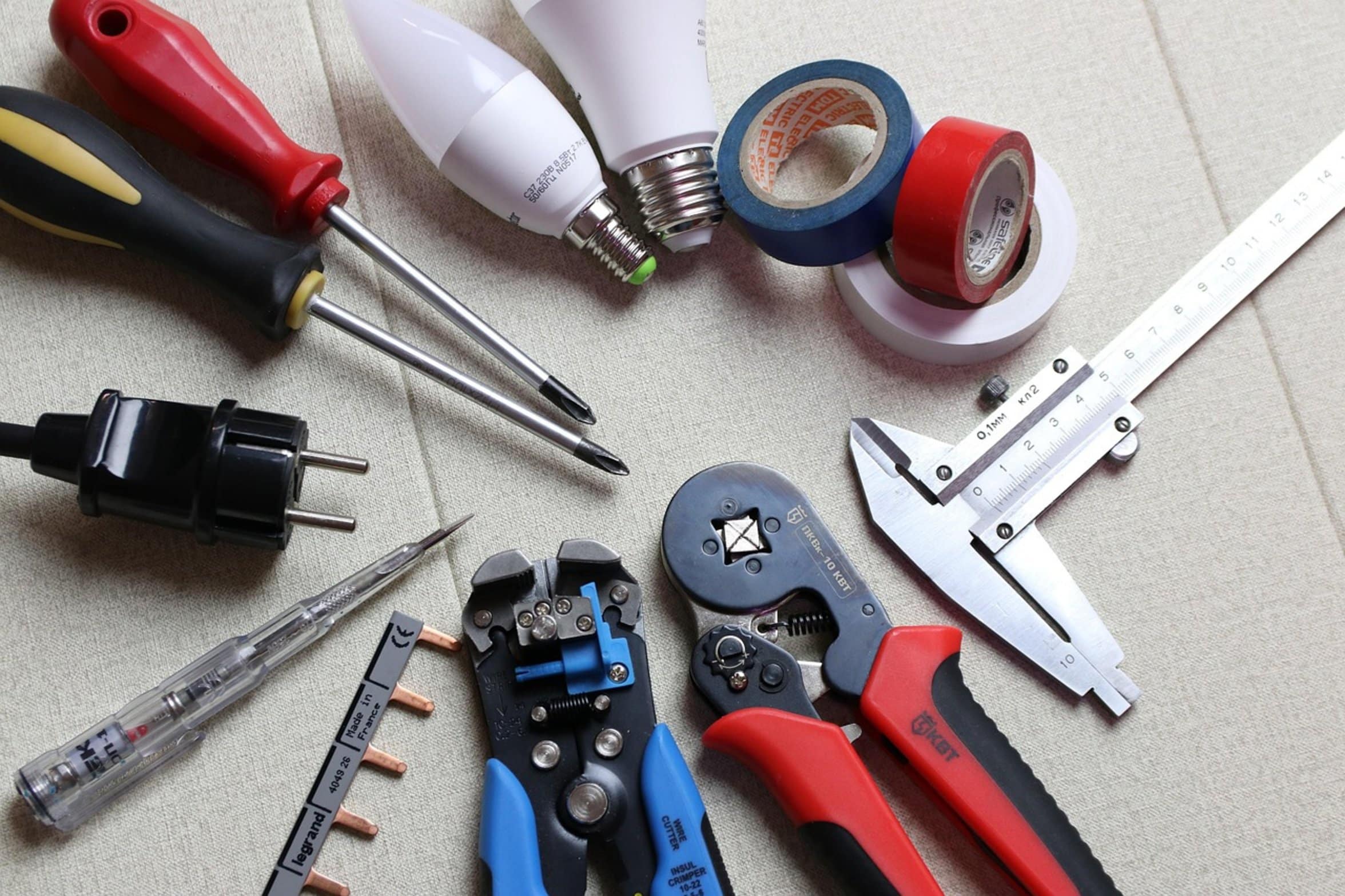
These are great for putting up picture or building some furnitures. But what happens if you need to snug down a terminal screw on electrical appliance? You want to avoid a short circuit and you don’t want to strip off the head of the screw.
So what’s the distinction between an electrician’s driver and a more generic one? The answer is in the details; handle design, tip geometry and insulation. Knowing the differences will save your hand and any ruined hardware.
Insulation Ratings and Voltage Protection
Look for the insulation rating on the handle first. Tools should be labeled with VDE or carry voltage rating of 1000 volts or more. That mean double insulation protecting you from shock in case you come into contact with a live wire when using them.
If they is standard plastic handles, they provide no protection whatsoever from electricity. What looks like the same tool on the shelf will have vastly different internal construction. Don’t skimp here.
Five dollars may seem like nothing to spare on a cheap driver, but it won’t save you from a nasty accident.
Tip Geometry and Material Quality
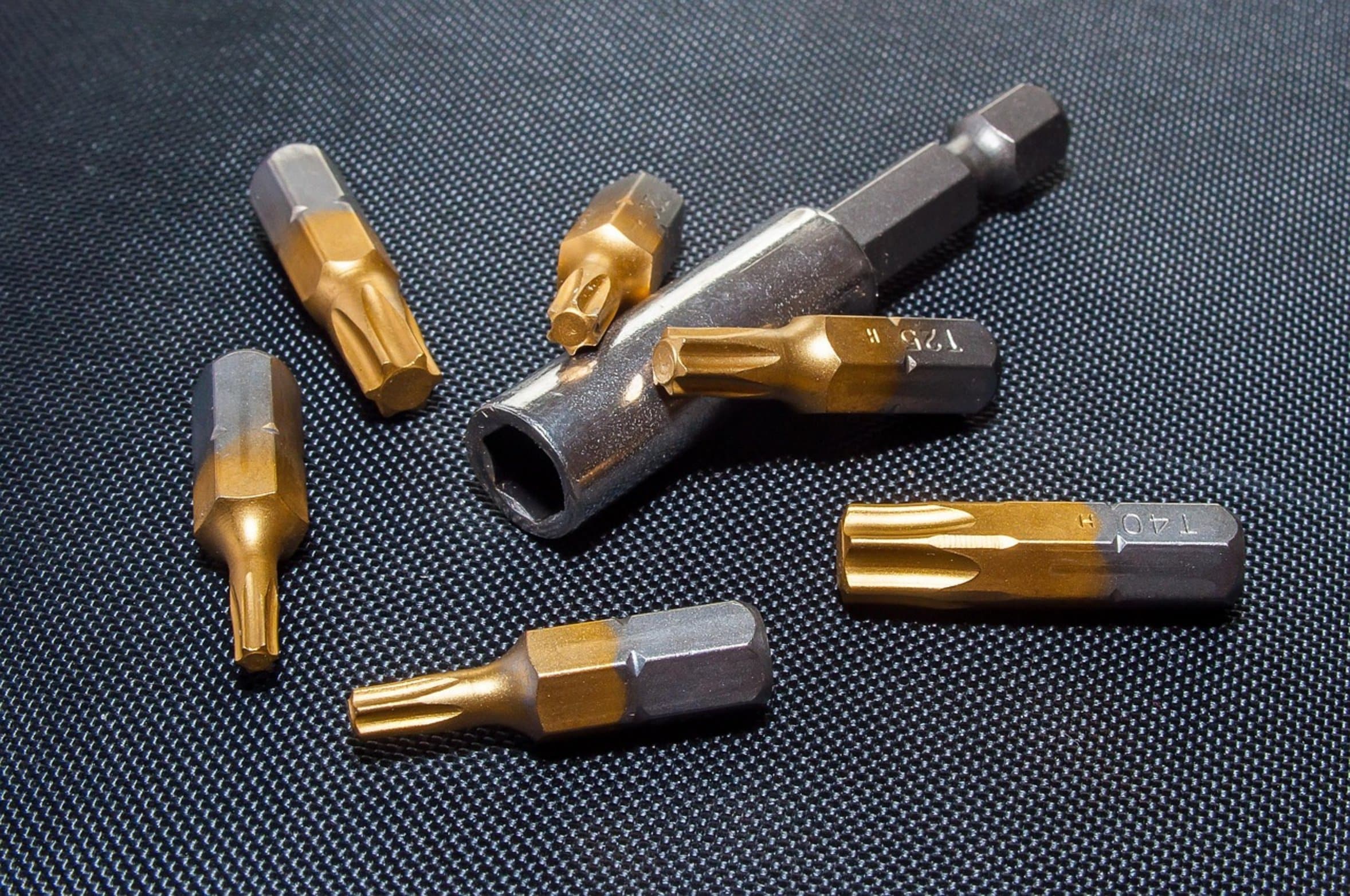
Finally, what about material and tip shape? Inside an outlet box or switch plate where there’s not much room for tiny screw, it’s all about electrical work.
You need something that will hold onto the screw head firmly but won’t wiggle around on the screw. Most North American households uses Phillips heads, and Pozidriv is becoming more common in Europe. And many drivers used by electricians has a spring loaded bit holder that lets you back off if you crank down too hard so that delicate terminal connection aren’t damaged.
That make a painful battle turn into an easy tweak.
Handle Design and Ergonomic Grip
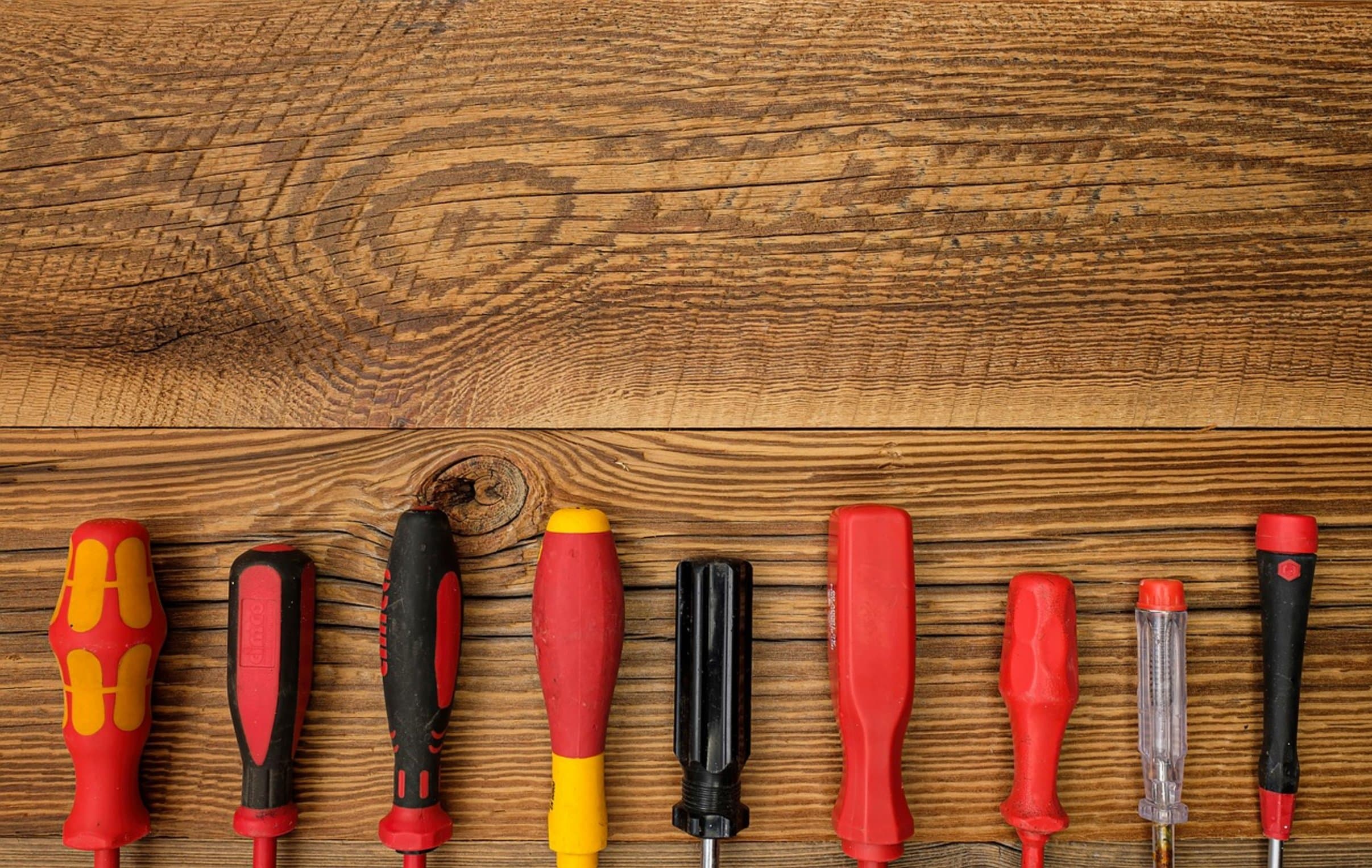
Control depends on its own set of factors, including handle design. Often made of plastic, the handle is translucent orange or red on most electrical driver.
These colors denote which driver is inside the shaft (and it’s easier to find if you drop one in a jumble of tool). The handle needs to have an ergonomically designed grip so you can applies the correct amount of torque. Ceiling boxes involve lots of work upside down and at odd angle.
Slippery handles = slipped up. Seek out textured handles with sure-gripping power, even when your hands is sweaty from exertion.
Choosing the Right Brands and Sets
This is where branding gets interesting: Brand doesn’t matter as much than the material it’s made of.
The better-grade stuff is Chromium Vanadium steel (often abbreviated as CrV). This mean the tip won’t get dented with use and keeps its shape well. Less expensive steel tips will dent or break when pressed upon which then throw bits of metal all around your work area.
Not only is that a nasty mess to clean up, but if they were close to some live wiring, that could be a safety hazard. Actualy, it’s a big risk. You’ll see brands like Wiha or Wera are known for strong construction, but you can also count on Klein Tools or Milwaukee to provide a solid product.
Just look at the steel grade and make sure the insulation is intact.
Organization and Safe Storage Habits

And lastly, consider your set-up. Not all sizes is necessary for every application.
For most home electric projects, you will get away just fine with a simple set of flathead and Philips screwdriver. More is not better. Less really is more.
Don’t be confused and slow yourself down by having too much stuff. Also, don’t mix your electrical driver with your other tool. Whether it’s a case or pouch, have a designated spot to store your electrical driver.
Never again will you grab the wrong driver in haste. It’ll keep you organized and reinforce good habits. You should of checked your bag first.
A good screwdriver can make all the difference between a dangerous attempt and an everyday task. It instills a sense of trust that you will be able to do the work safely and avoid accident. The screwdriver handles allow you to have a hold on what you’re doing, the tip shields your screw from wear, and the insulated handle keeps you safe from electrical shock.
If you pick up a screwdriver, be sure it was designed with electrician requirements in mind. It’s worth spending the additional money. Maintain your sharpness, keep your tool clean, and stay calm.