But this isn’t just a discussion on specs. It’s an examination of your loyalty. DeWalt FlexVolt or Makita XGT?
Both companies sits on top of the cordless power landscape, providing voltage previously reserved for corded equipment. Does the battery have enough juice? That question is obsolete.
Now you’re asking yourself which platform provide the most value for you going forward. You need one that lasts for years to come as you build, remodel, and occasionaly get too confident with your tools. Why?
Choosing Between DeWalt FlexVolt And Makita XGT
The Long-Term Investment of Battery Platforms
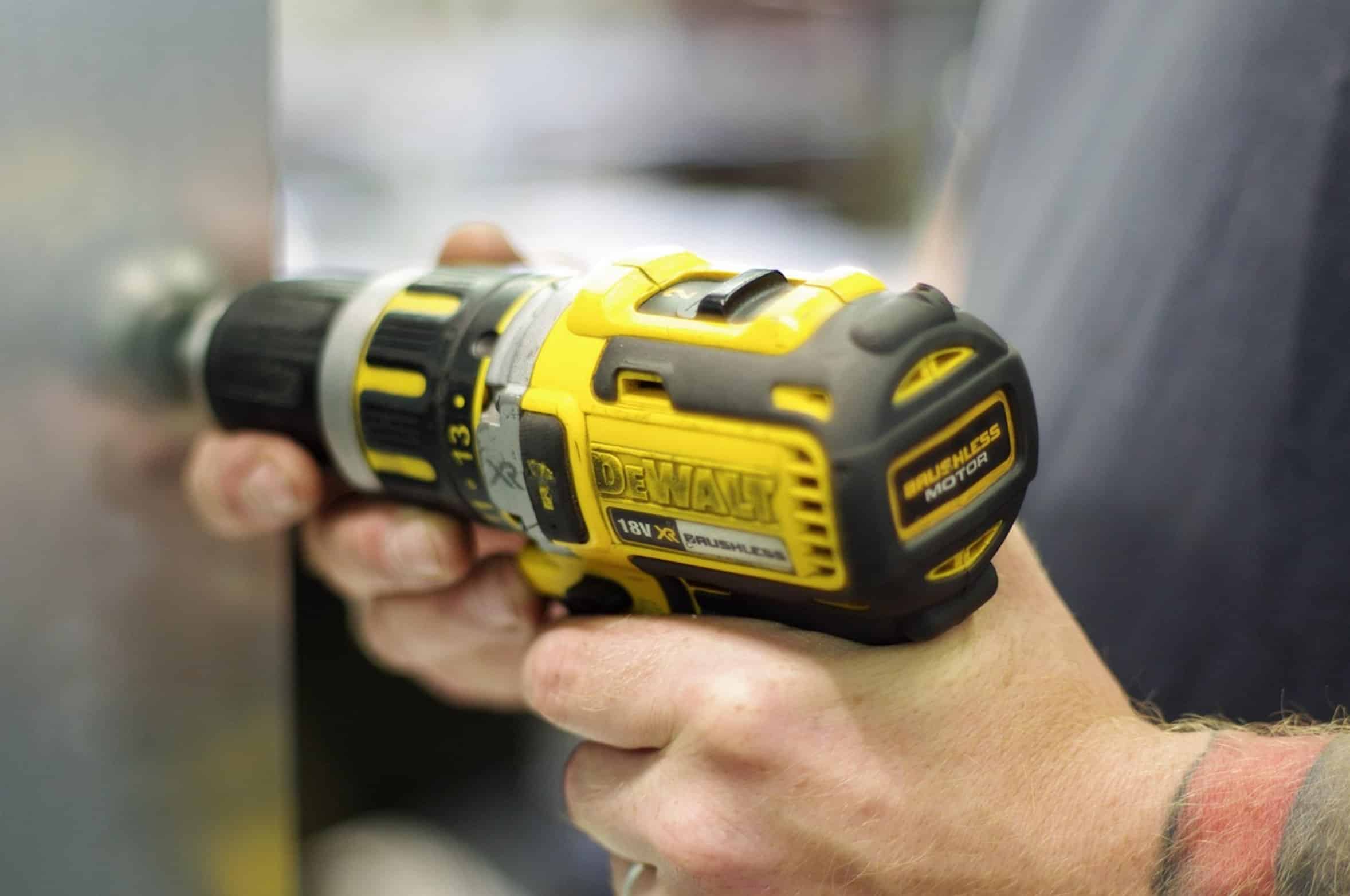
Batteries are a long-term investment. A battery platform is more than a drill. It’s a family: a family of tool, chargers, accessories, all aging together.
And every time you go to grab it for a particular job, it either make things harder or gets ignored. Friction is when you get something wrong. The right pick dissapears into your workflow.
Voltage Compatibility and System Design
When you get it right, it lets you focus on the cut instead of the power. The headlines are all about voltage, but when it comes right down to it it’s about run time. DeWalt FlexVolt has come up with a slick chemistry that enables them to run 20V Max batteries on 60V tools.
They have built a whole system that automatically toggle between volts based off what you plug into it. It’s one system that makes your charger drawer cleaner. Makita XGT runs exclusively at 40V. They’ve made their batteries a different size than their previous 18V LXT line.
Why? Well, it’s for safety to avoid accidentally swapping batteries. It also means you can’t use your old Makita batteries in your new XGT tools.
It force a clean break from the past. The other thing that’s different is the power delivery. There’s something about DeWalt FlexVolt tools with their heavy handedness.
Power Delivery and Tool Feel
They push hard and they can keeps up with torque even when loaded down. When you see XR in the name, it’s serious business. Makita XGT is slightly more refined in power management.
You don’t get the aggressive whine or kicks from some competition, and instead gets smooth consistent output. Subtle difference, but it makes for a different feeling tool on long days drilling concrete or framing. Control was just as important than brute force with this line.
Tool Catalog Depth and Variety
Both camps has some pretty distinct tools. In the high-voltage category, DeWalt is light years ahead. They’ve got FlexVolt offerings from table saws to pressure washers.
If you want to build out an entire jobsite on DeWalt, you probably won’t need to look outside of their platform. On the flip side, Makita is scrambling to play catchup. The XGT line are expanding quickly, but not as much as the older DeWalt catalog.
Specialty items will force you to mix and match across platforms. It’s a legitimate downside to being a Makita user at this moment. You must also think about durability and service networks.
Durability, Service, and Chassis Feel
DeWalt tools has survived years of job site abuse. They’re tough. That’s their reputation.
Makita has built its reputation on precise engineering and reliability. Customers say their customer service is very responsive and helpful. And both companies back up their products.
For me, it comes down to the feel of the chassis. DeWalt frequently incorporates rugged plastics that takes a beating. Makita tends to blend the components better.
It’s almost as much about tactile and aesthetic preferences then mechanical strength. Competitive price points but bundles skews the value. DeWalt frequently has a big promotion on their multi-tool kits.
Value, Pricing, and Total Cost
Makita will give you an extended warranty if you buy batteries. Consider the total cost of ownership. Stay loyal to your platform if you already have one; it’s going to save you money in the long run if you stay.
Switching force you to start over. The first time you overcome that hurdle of the initial investment, you are paying for the convenience of using a unified battery system. At the end of the day, it’s about what you currently own and what you plan to buy in the near future.
Making the Final Platform Choice
For a full high voltage system right now, go DeWalt FlexVolt. They’re a bit further along with a deeper catalog. And if you value a little extra refinement on the ergonomic side of things, but can be patient as the tool selection builds up, check out Makita too.
Either will take on the tough jobs and come through just fine. It’s really down to what philosophy connects with your wallet and your hands. Don’t pick based off solely on what tool you wish to hold.
Pick who you wish to partner with.