Remember the big green batteries of the nineties? They weighed down your drill and deliver little more than their weight. Nickel cadmium battery were reliable enough to get the job done but cumbersome in every other way.
Now it seem like a long time ago, but if you’re buying new gear or sorting through used, knowing something about how batteries work are important. Lithium ion has transformed portable power. Amperage?
Voltage? No. Storage capacity, charge retention, and performance under load matter just as much than the raw numbers. Knowing the distinction among these technologies will prevent you from purchasing the incorrect replacement battery.
They’ll also keep you from throwing good money after bad by purchasing a charger that doesn’t match your new drill.
Understanding Battery Differences for Cordless Drills
The Memory Effect Problem
The memory effect is something I don’t need to explain in great scientific detail; it’s just a pain. NiCd batteries gets the memory effect, meaning if you’re always charging the battery when it’s half drained, then the cells will “forget” how much juice they hold.
They’ll assume half charged is fully charged and now your drill is dead right as it should of be getting the job done. Old drills required that you absolutely drain them all the way down prior to recharge. It was an annoying rite, but it had to be done.
Today’s lithium batteries is free from this issue. Charge ‘em up any ol’ time you like. You don’t have to keep score of your partial charges.
Weight and Physical Fatigue
The second large thing to think about with battery packs are weight. Because nickel and cadmium are heavy materials, a typical eighteen volt NiCd pack can be pretty hefty. If you’re drilling holes in concrete or driving screws into a ceiling all day, that’s a lot of weight to have in your hand for hours at a time.
With lithium ion chemistry, your pack is less dense which make it weigh less. That may not seem like a big deal, but after a whole day of building a deck or framing, you won’t have as much fatigue. Your shoulders will appreciate the lightweight pack.
Voltage Stability and Torque
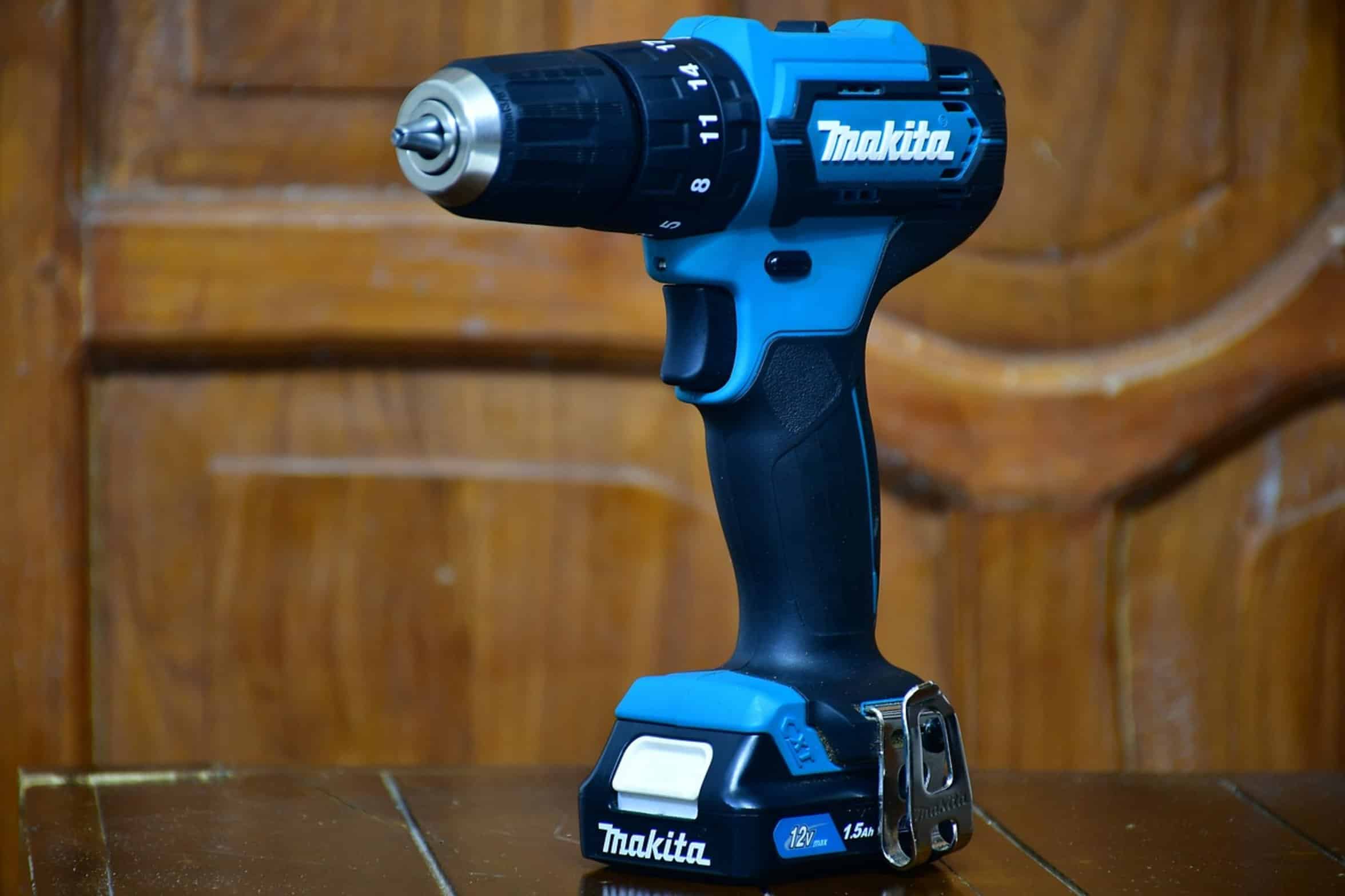
Now that we’re talking about real world use, that’s when lithium excels with voltage stability. When a NiCd battery get used, it starts out at its rated voltage and then just keeps dropping as you go. By half way down on a pack, the voltage sag enough that your drill slows down.
Your drive times is slower too because there isn’t as much power coming out. With lithium cells, the voltage stay stable all the way down to near emptiness. It’ll run full-speed from first screw to last and give you consistent torque.
You won’t have to fight a sluggish drill towards the end of battery.
Self Discharge and Storage
Older battery types will self discharge which is a quiet killer. Put a NiCd pack away in your toolbox and forget about it for a month.
When you go to pull it out, it’s probably dead. Even when not connected, it loses energy because of its chemical makeup. Lithium ion batteries retains their charge far longer.
Leave a pack in the truck for weeks and it’ll still perform just fine. That’s huge for those that may only use a particular tool once or twice a week. How reliable it remain is vital for contractors.
Safety and Smart Management
Safety concerns used to favor nickel cadmium because lithium batteries can be volatile if damaged. They would overheat, but that’s no longer an issue with these new packs as both DeWalt and Milwaukee incorporate management systems into their packs to keep it from happening. These smart circuits monitors current and temperature and if something doesn’t look right, they shut down the battery.
Today there is little risk but always check your packs for damage and swelling. Swollen batteries are a fire hazard and need to be replaced immediately.
Why Switch to Lithium
Old or new? New, of course. For many reasons; lighter weight, higher efficiency, easier maintenance, it’s simply obsolete technology. Old is NiCd; new is lithium ion, which is lighter, more convenient, and performs better.
Old drills: Can they take new lithium adapters? Some will happily swap in a new pack by just flipping a switch (though then you don’t even need to buy a whole new drill). Otherwise, maybe it’s time for a new drill entirely?
Moddern chemistry makes your work flow lighter and more consistent, and it deserves that. It’s a similar story with batteries. You should switch to lithium just as construction tools is switching from clunky old nickel blocks to slim lines of lithium.
Why use brute force when you can have smart efficiency? Your lighter, smarter battery lasts longer, works better, and makes the next job much easier.