There you are in the hardware store standing in the aisle with a pair of pliers in your hand. One is Irwin. The other is Channellock.
Both claim to be the best. So does the red handle. They’ve both been around forever.
The same hardware stores sells them. The same guys that use them are the ones who buy them. It’s got to do the job without rusting and slipping.
It’s a small detail; until you’re trying to force a fitting into a small area, or you’ve dropped the handle of your beloved tool in the rain. When brand loyalty becomes more than paint, it becomes engineering. One manufacturer went heavy with the lock.
The other focused on the entire experience of holding the tool in your hand. Knowing that difference change how you shop. A lot of folks like the heavy bite of Channellock.
Others like how Irwin’s curve fit in their hand. It isn’t good or bad, it’s tool to task. The good news is you don’t have to purchase the most expensive to get quality.
Just know what problem each brand truly solves for you.
Comparing Channellock And Irwin Tools
Channellock: The Power of the Locking Mechanism
The idea of Channellock began as a family business in Ohio with a very specific mission. Create better pliers that do not slip.
Their big break came with patent on their locking mechanism. The jaws would remain locked open and stay at a fixed width, without pressure. When you’re holding a heavy pipe or working with one hand, it matter.
For decades, that was the engineering focus of this lock. It had deep, sharp teeth. Bite into it like a vice.
Great if you’re trying to get plumbing pipes or electrical conduit in place. It is less so if you’re trying to squeeze some copper tubing you’d like to keep intact. It will mark up.
That’s the tradeoff for superior grip.
Irwin: Focus on Ergonomics and Grip
From the beginning Irwin went down another road. User experience and the handle.
As Channellock worked to perfect their lock, Irwin was working to perfect they’re grip. Often times their handles is wrapped in a soft rubber compound that absorbs shock and lessens hand fatigue over long shifts. The jaw shape is also a little different.
Sometimes more curved than the Channellocks. Sometimes that means they will go into odd places where a square jaw wouldn’t. This happens when you are in someplace like an engine compartment or inside a cabinet.
So it’s just a little different and over eight hours that adds up to being comfortabley. Lighter, softer grip doesn’t cramp your hand.
Material Quality and Price Comparison
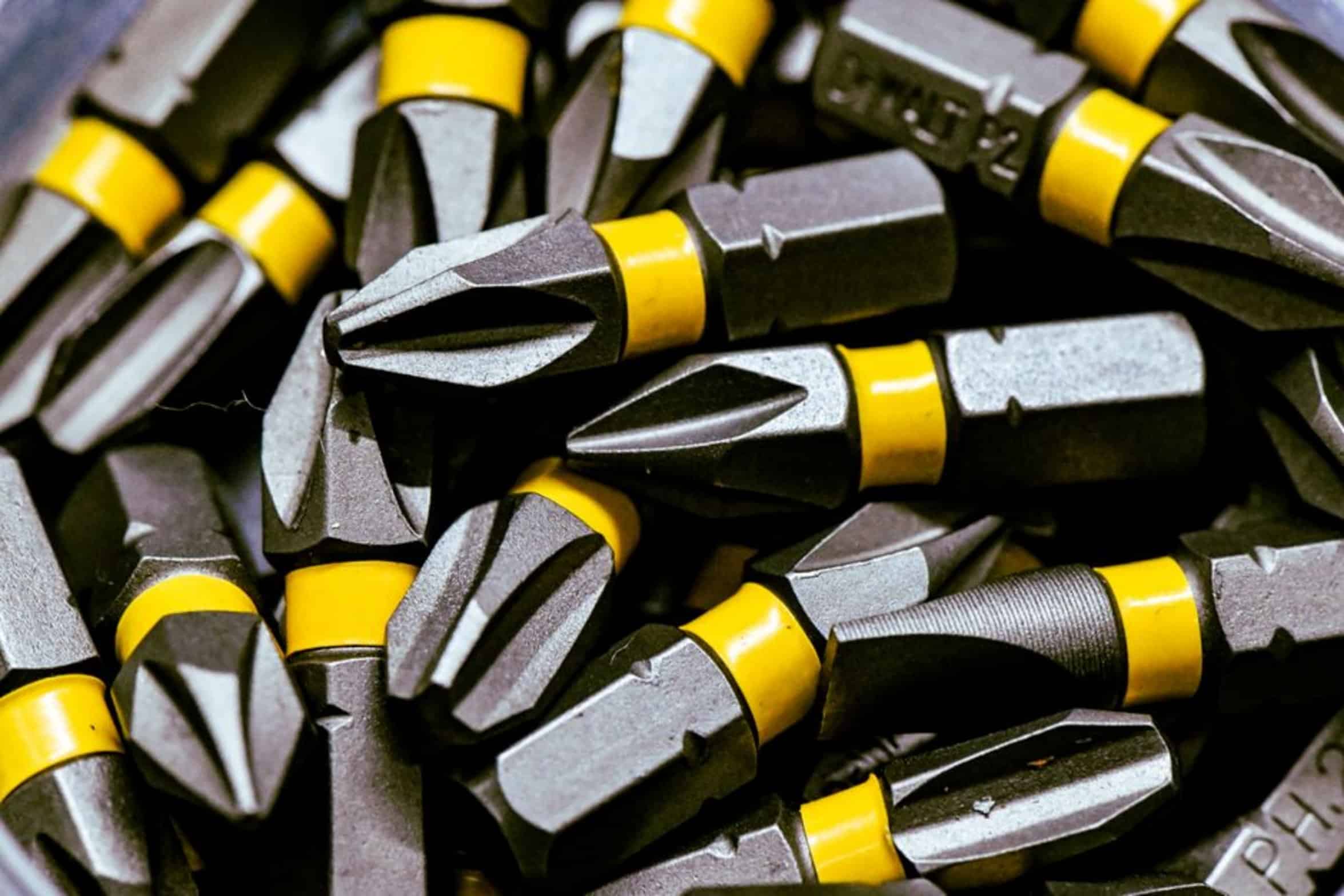
In terms of materials, the two is similar.
The blades is made with high carbon steel that will hold up over time. They are coated to prevent rusting (at least on their higher-end models). If cared for properly, either brand should last about as long.
The difference come down to functionality and feeling. The prices are amazingly competitive too. Both brands have their pro line which will cost slightly more.
Their economy lines will still be affordable enough to buy without blinking an eye. That makes it an apples-to-apples comparison so go with what feels right; don’t think that one is a luxurius and the other a bargain.
Choosing the Right Tool for Your Task
How you use it matters, For instance, if you are a plumber, then you just has to get the Channellock bite.
You gotta be able to grab on to that piece of galvanized pipe and not let go. Or maybe you do sensitive assembly like electronics. The Irwin have the soft grip and it won’t mar your precious parts.
And many pros has both. They keep a Channellock in the truck for heavy lifting and an Irwin in the pocket for precision work. And you don’t have to choose sides for good or all the time.
Create your own toolbox with the right tool for every job.
Testing Feel and Fit in the Store
In your hand, that’s when it becomes real. Grab ’em.
Squeeze ’em. Lock open the jaws. Feel how it handles.
Which one makes you feel like you’ve extended your arm? You can’t read about that in a review. It’s immediate.
It’s personal. Don’t get hung up on the heritage. Both these brands has proven themselves.
Both have been through the wringer for decades of industrial work. And that’s the answer: Which one fits your workflow? It is not about which brand is best in general.
Color wars? Forget it next time you’re in the store. Compare the jaw shape.
Test the handle texture. Match the tool to the task. Walk out of there with a clearer mind and a better grip on things.
The one you don’t have to think about while working is the right tool for the job.