If you use a DeWalt DWS779 sliding compound miter saw, you’ve made a good decision. It’s a great tool for deck framing as well as installing crown molding. But the description of the bevel mechanism is confusing to many people.
The saw may says Type 20 or Type 21 on it and you think, “did I buy the right saw?” That makes sense because those numbers appear as though they are version numbers instead of different mechanisms. Maybe one cuts better? Maybe you’re missing a feature you’d like to use for this trim job over here?
That’s why we wrote this article. Marketing jargon aside, it’s really a lot more simple. In practice, the biggest difference between Type 21 and Type 20 bevels is the way you adjust and lock the angle.
Blade accuracy, motor, cutting power? Nope, no different. Knowing that will help you avoid buyer’s remorse.
You can get right to setting up your saw properly from the start. You won’t have to search for what was supposed to be there but wasn’t. I will no longer wonder if I got all I paid for.
Less time fretting over spec details means more time making stuff.
DeWalt DWS779 Type 20 Vs Type 21 Differences
Type 20 Bevel Mechanism Explained
The main distinction here is location of the bevel lock. On a Type 20, you have a lever located on the left side of the saw head.
To adjust the angle, you pull out the lever, which releases the angle; then you push it inward to re-engage and lock that angle. That way, when you’re adjusting your cut, you don’t have to keep hands near the blade. For right-handers standing on the right side of the saw, it’s a natural design.
And the lock system is strong and retains its angle under pressure. Push hard into dense wood, no worries about the head slipping or losing its angle. A lot of pros like this left-side lock design because it feels both deliberate and secure.
Type 21 Bevel Design Features
Type 21 has the lock lever over to the right. That’s a bit different than ergonomically, as you need to stretch back over handle space to activate the lock. However, some people prefer it when cutting really wide boards that stick out past the left-hand side.
With the right-side lock, you can use your left hand to guide the board while keeping your other free to activate the lock. It combines traditional design with moddern accessibility. There isn’t necessarily a truly better option depending on what you’re doing.
It depends on how you work and what you do most of the time. If possible, I’d say give each a go in person to see which one works best for you.
Bevel Range and Specifications
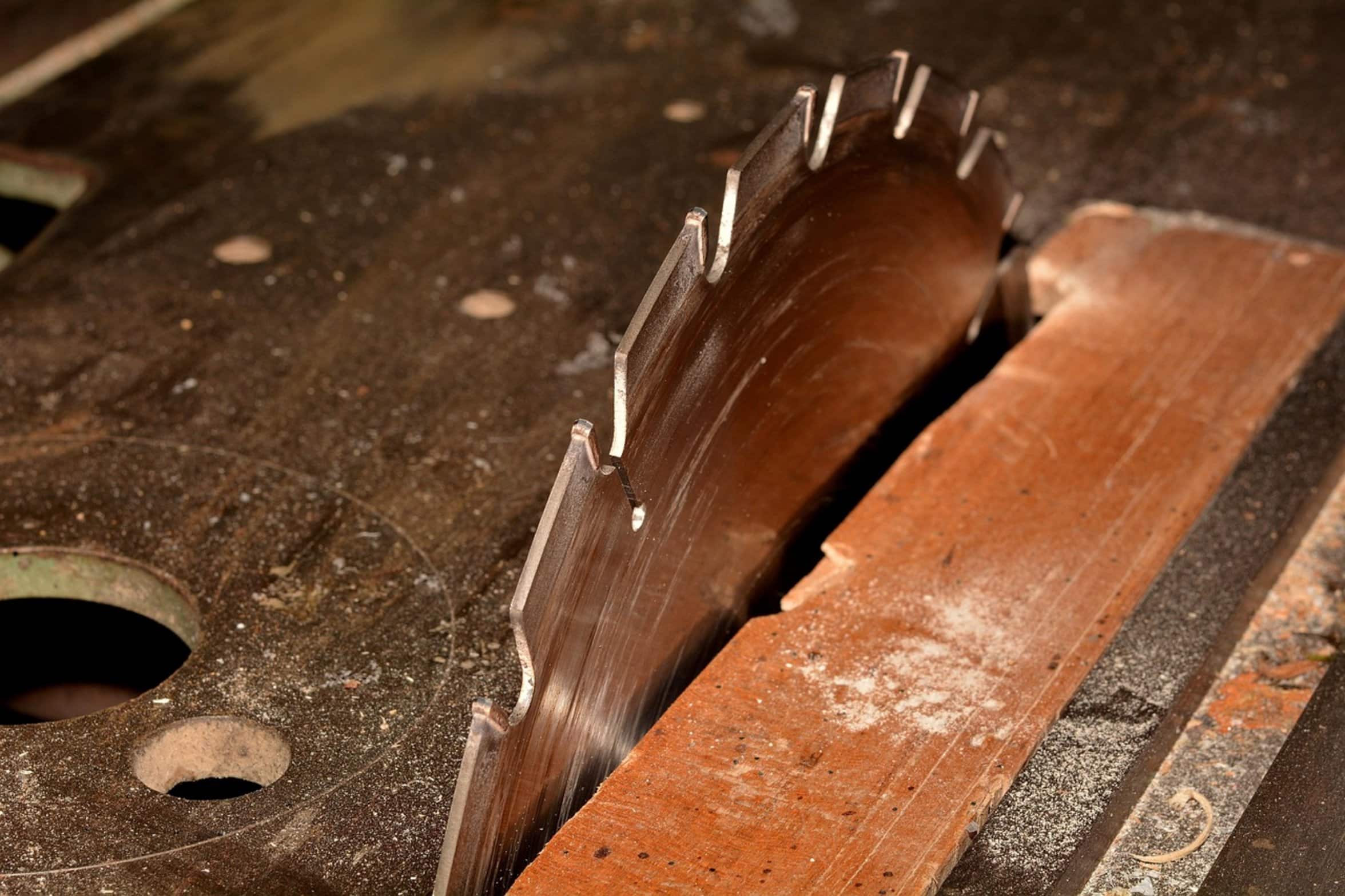
Both types has the same angle range.
With the DWS779 you get the exact same bevel range from 0-45 at both positive and negative angles on both versions (Type 20 and Type 21). The location of the lock doesn’t impact the accuracy of the scale either. Neither version has different functionality for laser guide or the LED lighting system.
Those components are housed in the chassis of the saw. Regardless of which version you get, it will provide the same clear cut lines and bright illumination. This is merely a marketing distinction used to control their production line and inventory.
It gives them an opportunity to simplify manufacturing while having little impact on the end user experience. Inside, it’s the same tool but packaged into a slightly different housing.
Calibration and Accuracy Tips
Accuracy is more important than the type of bevel.
Wherever you place the lock lever, a crooked saw won’t produce accurate results. Regardless of bevel type, always make sure your blade is square with your fence and that your fence is aligned. Make sure the blade cuts a true right angle using a good square.
If it’s not, tweak the fence to compensate for drift. And this isn’t just for the Type 21 but for Type 20 as well. No amount of mechanical limitations will beat a poorly calibrated saw.
A properly tuned Type 21 can outcut a poorly maintained Type 20 all day long. It is much more about who is operating the tool than what kind of head is on it.
Performance and Buying Advice
The Type 20 lever seems to engage a bit more firmly according to some customers.
There’s definitely a click when it engages and you know it’s locked tight. Some customers who use the Type 21 say the lock is just a little softer. But I think this is simply due to manufakturing tolerances and not an issue with design.
Both can handle heavy-duty use. After you get into the swing of cutting, it’s hardly noticeable. Within a few days, you’ll adapt to whatever type of lever you’re using.
Don’t base your buying decision on what others have said about how stiff the lock is. Adjusting the angle takes almost exactly the same amount of physical work. For new buyers, the choice between types is often arbitrary.
On the used market, there is no better price point. Just go with the one that fits your budget. The performance gap doesn’t exist.
You will spend more time wondering which blade to use than deciding whether or not to use the bevel lever. Get a nice sharp carbide blade appropriate for your material. For the best cuts, keep blades sharp and clean.
This will result in less tear out and cleaner edges from the saw. Whether it’s a Type 20 or a Type 21, the DeWalt DWS779 is a solid piece of equipment. It produces repeatable results whether you are a serious DIYer or contractor.
What really matters about the saw is not which label you put on it but what it can cut and how long it lasts. You should of gotten to know your saw and learn to love its quirks. You’ll discover the saw is on your side and not against you.
Quit worrying about the bevel designation and get to cutting. There’s work out there waiting for you and it doesn’t wait.