You bought the Bosch Glide miter saw because you trusted the reputation, and so did many others. You trusted the name, and you got the tool. They’ve built a reputation for making tools that feel solid in your hands and cut clean lines.
When the sliding mechanism on the saws are good, they impress by gliding smoothly back and forth. When you’re cutting hardwood flooring or some fancy crown molding, that’s the type of precision you want. Yet machines is tools and tools possess tolerances.
Those tolerances can move and then the smooth ride goes away. The grind becomes audible. Resistance occurs where there wasn’t any before.
All of a sudden that smooth glide isn’t so smooth. That’s maddening because you unboxed this saw knowing it was good. So now something has changed, and you want to know what it is and how to fix it.
Fortunately, most of what happens with a Glide saw is nothing terrible. It’s just a little mechanics snag here, an oversight in maintenance there. In many cases, it doesn’t even require a trip from the tech and won’t cost you a new one.
The key is knowing where to look. Here’s a rundown of the most common culprits, the power supply, the adjustment screws, and the rails. Let’s take a stroll through them so you can get right back to cuttin’.
Fixing Common Bosch Glide Miter Saw Issues
Clean the Sliding Rails
Dirt is enemy of any sliding mechanism. A mixture of oil and dirt becomes grit which gums up the rails. The rail can appear to be stuck, like maybe the saw is broken.
Nope. It is just dirty. Take a good stiff brush and clean those rails well.
First get all the loose crud out with a brush. Then take a rag with some water on it and wipe down the gunk. Apply a dry lubricant made for machines.
Wet oils will draw in more dust. Clean rails slides nicely. That’s the first step to solving almost any glide issue.
Adjust the Alignment Screws
If it still doesn’t work, see if the adjustment screws is tightened too much or not enough. Those saws do have adjusters that can fine tune the alignment of the sled to the blade. Too tight and the sled will bind.
Too loose and the saw won’t run true. You want it just right. Tight but not to tight.
Back off the screw slightly, try it and then tighten just a bit more until you take up all play. Don’t over-tighten the screws. Remember metal expands and contracts with temperature change, so give yourself some thermal wiggle room.
Check Power Supply and Voltage
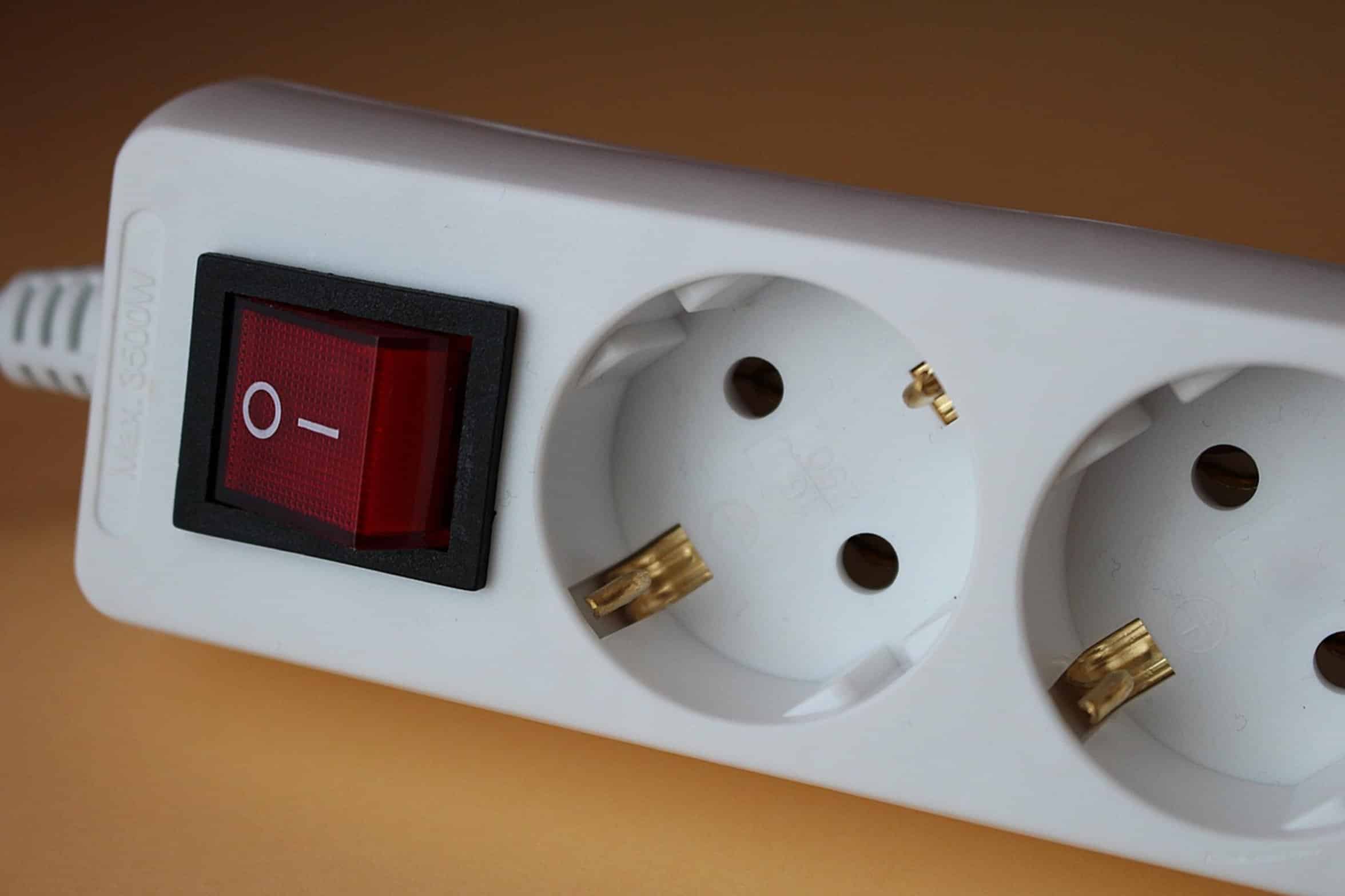
In most cases this is simple adjustment that makes the difference with a binding problem. But it’s not always the saw that’s at fault. It can also be lack of power.
A big strong motor like we have on our Bosch tools require steady voltage. You may find yourself losing volts with a long extension cord. The electronics struggle, the slide becomes slow, and the motor slows down.
Plug the saw right into an outlet in the wall. If the glide gets better, blame the cord. For long runs use a heavier gauge cord.
Inspect Slider Wheel Bearings
We don’t realize how much power matter. When a motor is starved for juice, it doesn’t move a heavy sled well. Inspect the slider wheel bearings.
They’re little rollers on the slider tracks. They can break or seize over time. When they go bad, you’ll know because it will click or crunch.
Bosch sells replacement wheels, as do other third-party suppliers. Changing them is simple. Don’t think you have to be a master mechanic.
Just follow the instructions, stay organized with your screws and go slow. Those new bearings will make the slider smooth again like new. It’s one of those little fixes that pay off big.
Tighten Arbor and Check Blade
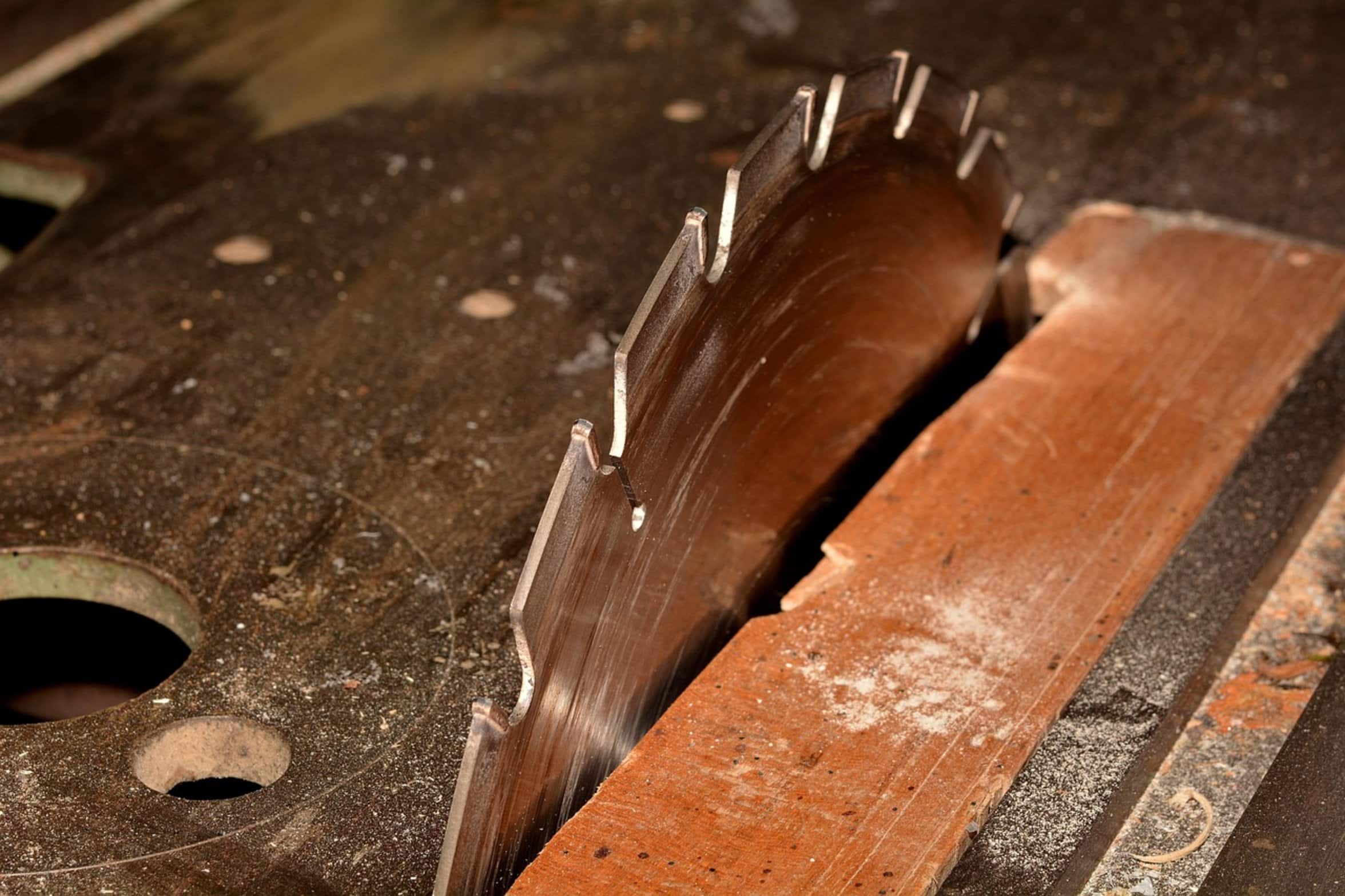
Lastly check the arbor and blade. If it vibrates like the blade is sliding, the arbor nut may be loose or the blade damaged. Use the supplied wrench to tighten the arbor nut.
Is the blade sharp and free from debris? More force cause extra stress on the whole system. Even if your rails are perfect it still makes the saw feel sluggish because the blade is dull.
Worn out blades should of been replaced. It is cheaper then replacing the saw. Light work makes for heavy tools when they’re sharp.
Your Bosch Glide saw is going to be back in business just like new. It will most likely be quicker than you imagine. Just check your hardware, make sure your power is good, find the sweet spot with your adjustment screws and clean those rails.
Don’t let a few little snags end with throwing away a good tool. Get the basics right and be back to cutting cleanly. You’ll see that smooth glide.
Keep your tool clean and trust the process.