It’s no secret band saws is finicky pieces of equipment; they’re known to be fragile devices whose cutting ability are hurt by least bit of misalignment or over-aggressiveness. Why? Because when you push too hard on the narrow blade, it tend to wander.
And getting tension dialed in precisely is critical, get it wrong, and you’ll cut curves or break your blade. That’s where the Skil band saw turns that story on its ear. The Skil band saw isn’t meant to be replacement for your shop cabinet saw; rather, it’s intended to mount on bench and take up little space.
Skil Band Saw Review and Features
Design and Portability
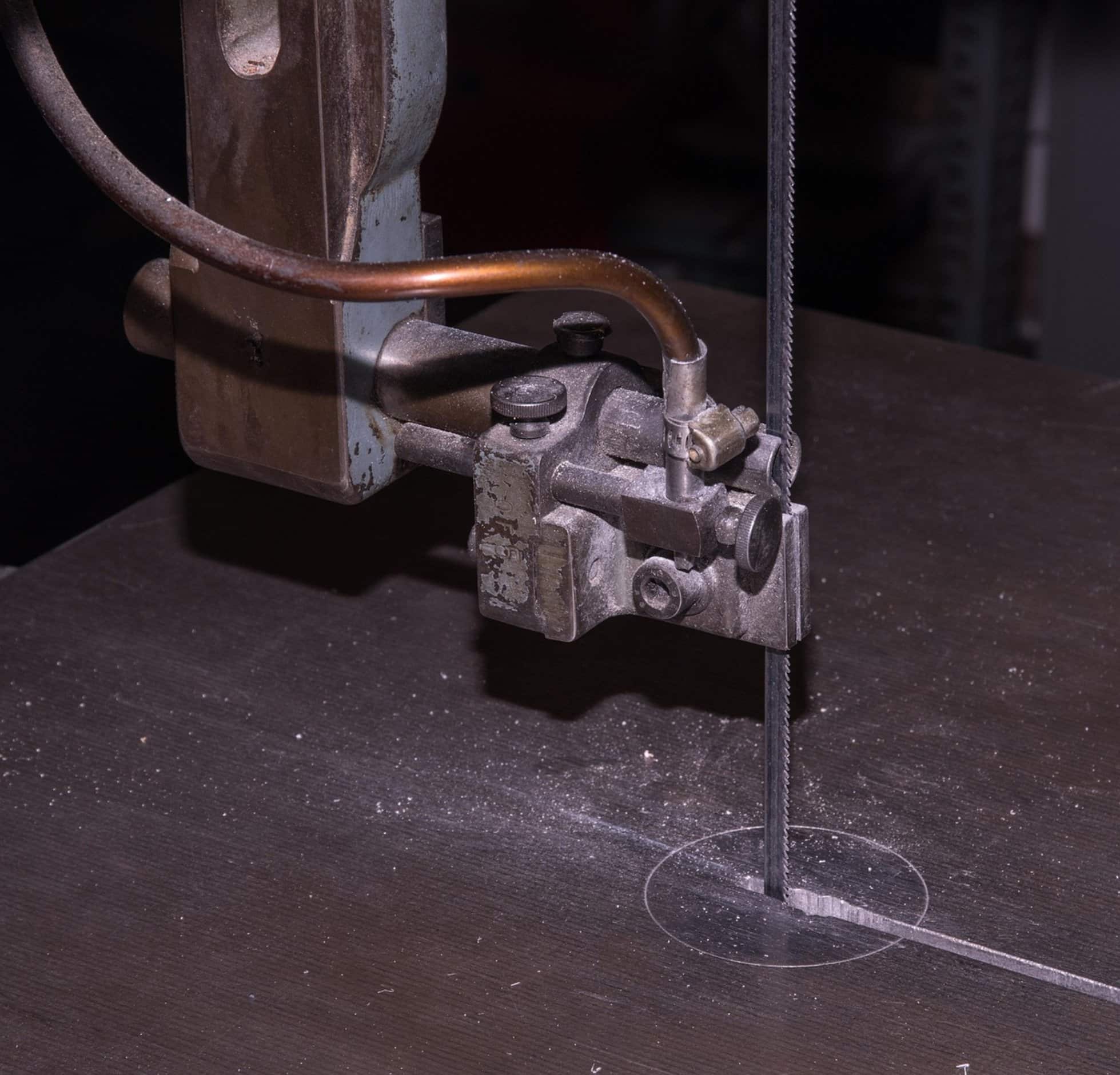
What you do have here is a portable machine capable of making surprisingly straight cuts for such a small machine. This is a perfect band saw for woodworkers who want extra power when they need it without taking up permanent space. While there’s a good bit of plastic in this thing, and lots of people fret about durability upon seeing the Skil name on a tool, I think that’s why you don’t notice how light this Skil band saw is in comparison to its cast iron counterparts; you’re gaining nimbleness at the cost of unrefined bulk.
That is good if you want to be able to take your Skil band saw with you, whether to a buddy’s shop or stashing it away under your desk.
Motor Performance and Speed Control
But what realy surprised me was how well this thing perform with the motor. On paper a 3-amp motor doesn’t sound like much, but it handles most of the hardwood I’ve cut without any stuttering at all.
You can also run it slow on thick pieces like oak and fast on thinner plywood thanks to that variable speed control. That keep the blade life longer and keeps you from burning wood. That’s why they do it, right?
Blade Maintenance and Limitations
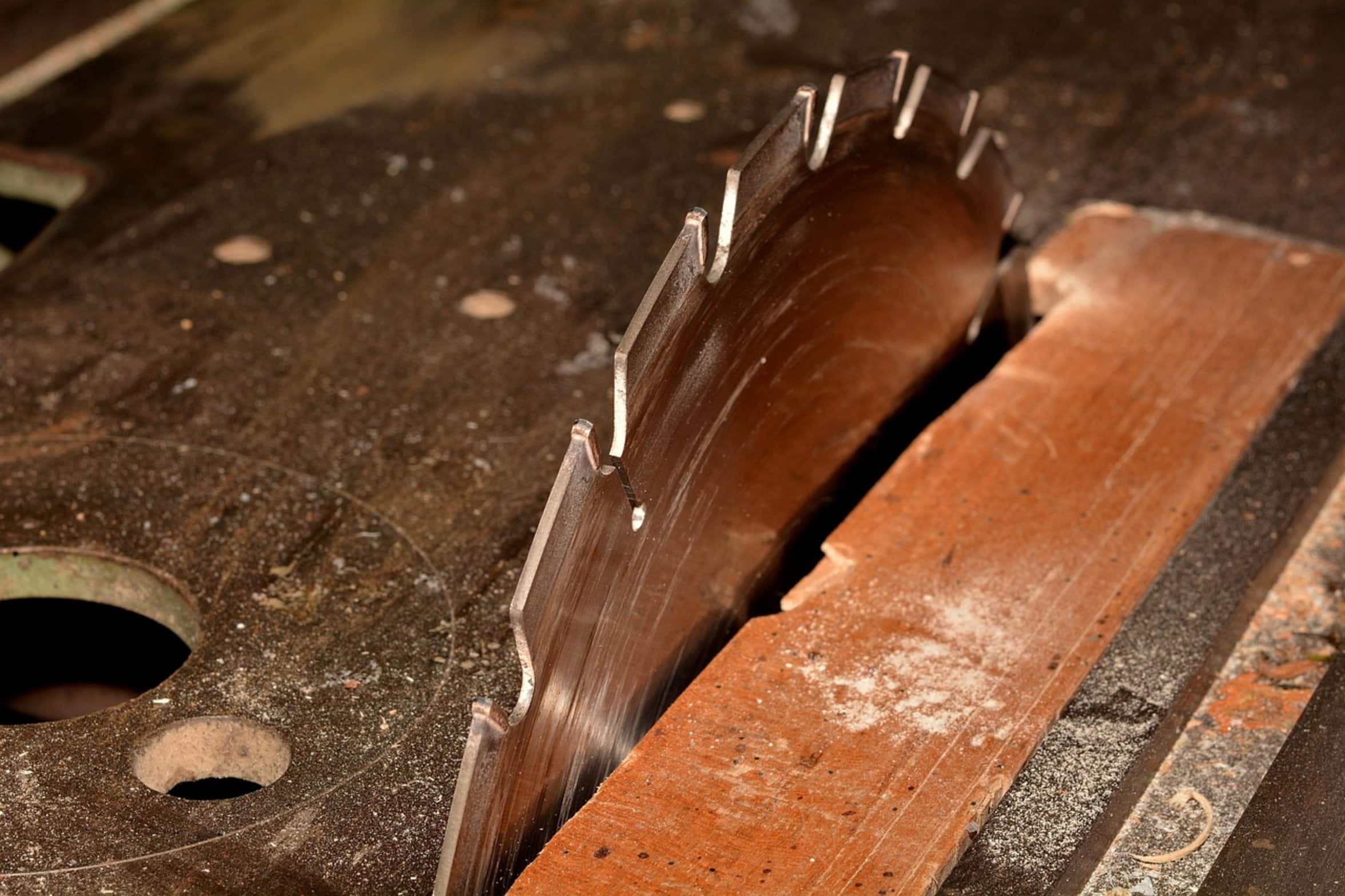
The adjustable blade changer are easy to use, but you must be patient. The tension knob has a limited range of motion and will slip if you don’t get it just right. The guide bearings adjust easily enough but gets a little loose from repeated abuse.
Tightening ’em back up again gets the bearings realy precise again. A little bit of maintenance really pays off for cut quality. It’s not designed for resawing as it has a very shallow throat depth (just a couple of inches) so you won’t be able to slice a 4×4 into thinner planks like you might do on an industrial-size table saw.
And that’s fine; this isn’t an industrial-sized machine, it does what it’s supposed to which includes making small curving cuts and trimming down your stock. Those are the chores that can gum up a bigger table.
Safety Features and Noise Level
It is safe.
The design incorporates safety elements. Plastic guards protect the blade to keep your fingers away from the teeth as you work. This also help reduce vibration.
The material sits stable on the table and stays in place when cutting. Even if you push harder pieces through the cut, you feel secure. It is surprisingly quiet.
The belt drive actualy helps mute motor noise, so it’s quieter then its direct drive competition. It doesn’t mean you won’t hear it running, but you can carry on a conversation with it in operation. For those who work at home this is a quality of life bonus as it makes operating the tool more enjoyable over long periods.
Value and Final Verdict
It is undeniably attractive at this price point. If you want to buy a benchtop metal cutting band saw it’ll cost several times more than this. For those that like doing woodwork but don’t want to go nuts spending hundreds of dollars, it’s a pretty obvious good deal.
It does not feel cheap for an entry-level product. So for home uses, the verdict is in: This isn’t your year-round workshop saw. However, for those seeking something to hide away until needed, this saw would of done just fine.
Compact doesn’t have to equal inept. With care and attention to tension, it will cut straight, though the narrow blade will wander if forced. It does more work with less mess.