Tightening a cabinet hinge, driving a single screw into the drywall, it’s a fast job, and the project is small. But where’s your big ol’ cordless drill? It’s on the workbench.
It feels lazy to walk over to the screwdriver drawer, but it feel even lazier to dig through a toolbox for manual driver. Or just grab the drill instead (even lazier)? Okay, so you do the latter.
You pop in one of those typical screwdriver bits, give it a twist…and instantly, there goes another stripped screw. Its little head twirls around helplessly in its hole. Now you’ve got some busted-up furnitures and a fresh reminder that tools can be dangerous things.
How To Stop Stripping Screws With Your Ryobi Drill
The Problem With Cordless Drills
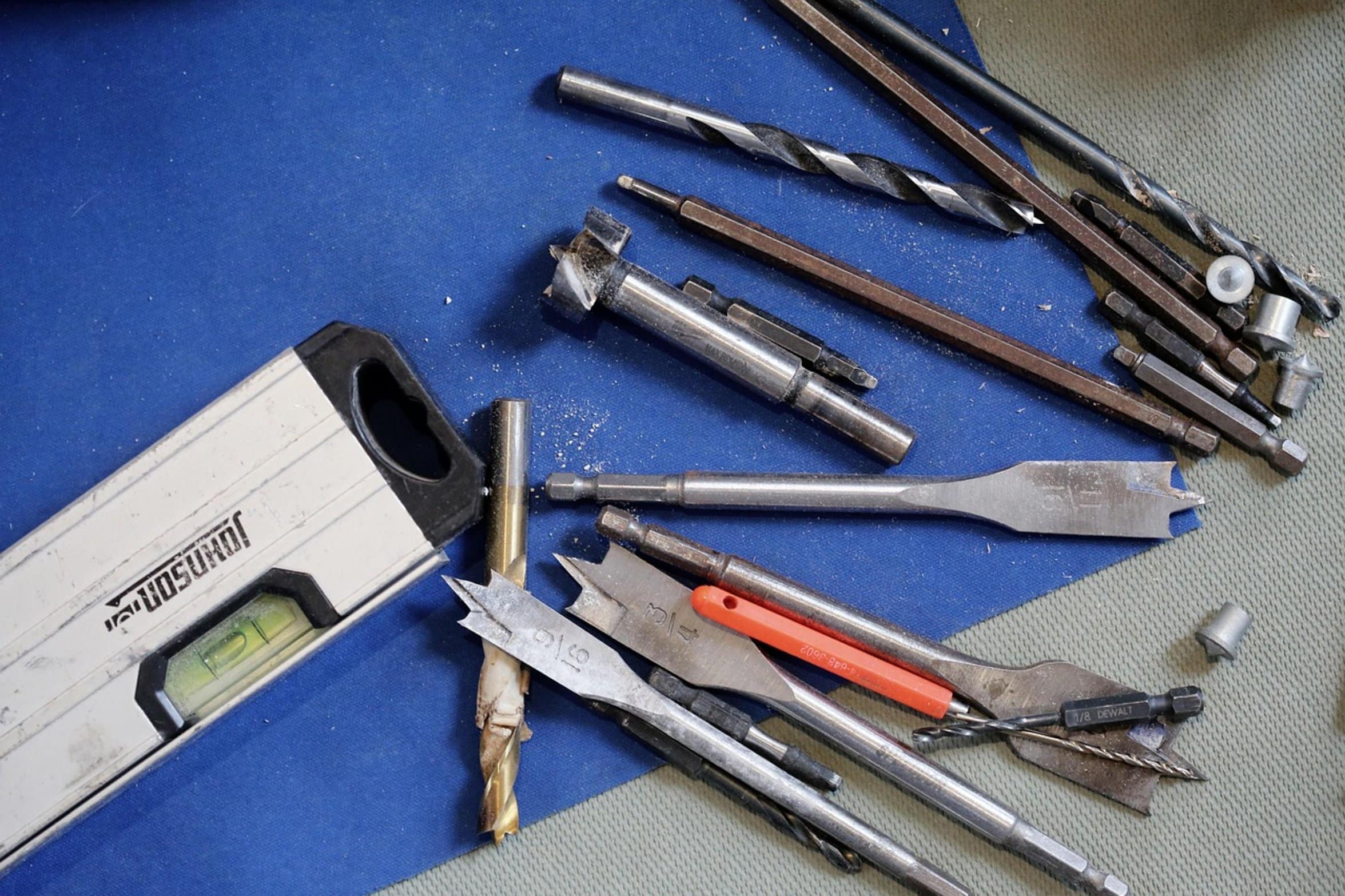
These drills is solid, with ample torque for building decks and framing. And that’s where the problem lies: They’re simply overkill for small tasks such as hanging pictures. Power-drill bits with their regular hex-shank holders aren’t intended for delicat work; they’re meant to drives power or structural screws.
Their design just doesn’t conform to the task, which is asking for trouble. That’s physics, and knowing how it works will help you solve the problem. It’s not about being careful enough.
Why Torque Causes Stripping
Use the proper interface. It all starts with how your drill chuck connects to screw head. It won’t matter how softly you squeeze the trigger if something are wrong with that connection.
Most quick-release chucks do not engage the sharp corners of a hex shank; they use the flat sides for engagement. That causes a tiny amount of play you can feel when holding it, though it feels solid. But under torque, that small amount of wiggle becomes a hammering action on the screw head.
The bit smash the sides of the screw slot. This is why so many folks think it’s them. They fault their own technique without realizing it has nothing to do with them.
Understanding Chuck Mechanics
It’s a design flaw in the tool interface. Another factor: how does the bit hold onto the piece? A typical bit holder pushes the bit outward from the centerline of drill body, putting pressure on your side as it were, and therefore will tend to wander off center (the farther out it sticks, the worse it get).
So when you attempt to drive a tiny little Phillips head screw, what happens is the bit tries to cam out before the screw turns. Before the head is barely engaged, slip, slip, gone, and now you’ve got a stripped screw. Again, this design’s about efficiency, not accuracy.
Fixing Alignment Issues
But sometimes, all you really need is another adapter. Ryobi and other major brands sells specific adapters for this purpose. Some are stubby and short; these put the bit closer to the chuck and reduce amount of leverage that can make it wander.
Other ones grip the bit better, they’re a tighter fit in the chuck via a hex holder or a collet system or something. You want no play at all, so your bit is like part of the chuck and not some loose passenger. You can also get away from that by switching to a driver bit set that has sleeves.
The sleeves slip onto the bit shank and give you a bearing surface to help the bit stay aligned with the screw head. That’s especially helpful on recessed screws where the sleeve hold the bit in place as the shank spins within it. It is a small mechanical advantage, but it makes a huge difference in the outcome.
Using Precision Adapters
Understanding that it’s mostly about alignment here rather than torque is the trick. That being said, there’s a catch. The downside of precision adapters is that they’re typically manual, no one-click action like with a quick-release system.
That means pulling the sleeve off or unscrewing the chuck take a few extra seconds. While that may add up for a pro who installs hundreds of deck boards a year, those seconds can be priceless for a homeowner hanging a mirror when it comes to saving screw heads. So at that point, what’s most important to you?
Speed Versus Control
Speed or control? Finally, drills aren’t required for all jobs. A good old-fashioned manual screwdriver has a rhythm to it that electric tools cannot replicate; You know how hard the material is resisting, and you can halt at the perfect moment when the head is completely flush with the surface.
Doing everything by drill makes something easy seem like high-stakes operation, increasing the potential for damage. Take a breath and consider what’s ahead before grabbing the most powerful tool in the box. Take a breath and consider what’s ahead before grabbing the biggest tool in the toolbox.
The next time you’re out on a job and got nothing but one bit left in the drill, take a second to think about it. Make sure that your bits are aligned, make sure your adapter is there. Pick up a manual driver, or set the drill down, either way those screw heads will thank you and your weekend project will be kept together.
It is a small change, but it makes a world of difference.