If you walk into your local hardware store you will be faced with options when it comes to table saw. On one end of the spectrum you have high priced tables saw from SawStop or DeWalt, on the other you’ll have something like Chicago Electric in the middle. If you’re not familiar with Chicago Electric, it’s Harbor Freight’s store brand.
It has its share of both curiousity and caution surrounding it. When buying a tool, it is not always about price; it’s also about what you plan to do with it in the next five years. Do you want something that can move around and be used as a framing saw?
Or do you want something that will stay put and tackle fine furnitures? That decision make all of the difference. Is the Chicago Electric table saw right for you, whether you use it on a job site or on your bench?
Is The Chicago Electric Table Saw Worth Buying
Who Should Buy the Chicago Electric Table Saw
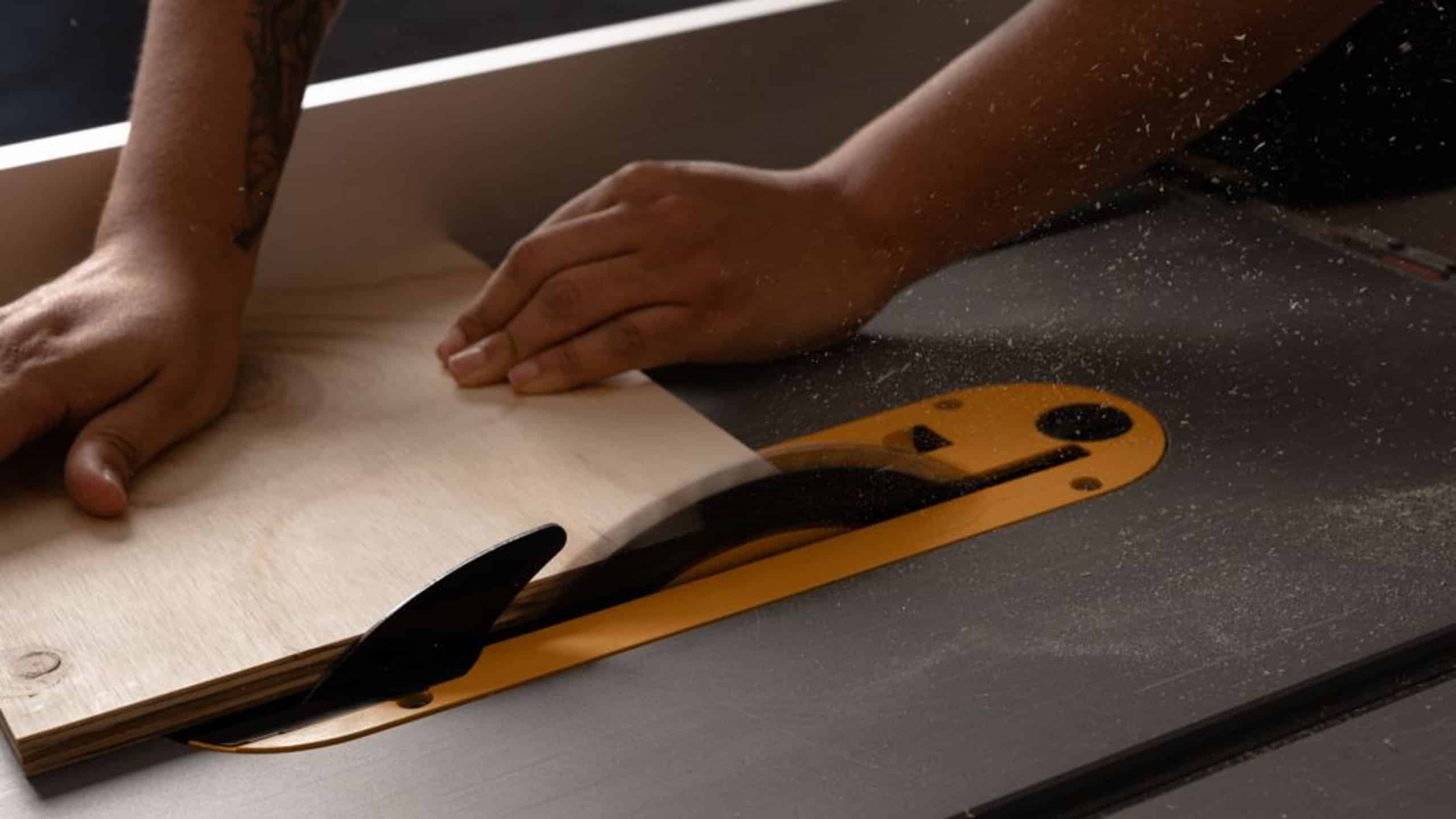
But then there’s the Chicago Electric table saw, and price speaks for itself. Name brands cost three or four times more than this. At first glance, it appears like a good deal.
A lot of bang for not much buck. That appeals to newbies. When they see a machine like this within reach, it makes it easier for them to say “I’m gonna build me something,” because they won’t have to shell out a grand for their first cut.
Performance and Cutting Ability
But that’s only part of the story. How does it cuts? Well, motor tends to be 15 amps, which is plenty for your typical homeowner chores.
In practice, it cut through plywood and 2x4s with no complaints. The cast iron table is good and solid at sliding work along. It is not quite as beefy or rigid as top tier guys.
That come into play somewhat when you are pushing it hard. Expect to feel a little vibration in heavier loads. That’s just what happens with lighter materials when there is a lot of force applied.
It’s physics, not a defect.
Assembly and Fence Stability

Many novice user find that setup is a test of patience. Out of the box, Chicago Electric saw comes only partly put together.
There’s some time to be spent with an Allen wrench. You need to align fence and make sure blade is square to table. While the fence works, it doesn’t have locking mechanisms found on more expensive models.
Push a little too hard, get a little dirt in the track and it may slips. That isn’t a big deal for rough work. If you attempt to make perfect joinery cuts, this become an issue.
Mobility and Portability
Mobility refers to how easy it moves. Most have footprints that will fit into a smaller work area. Or they have wheels on some sort of base for transportation.
In a shop setting, that can be nice if you have limited room. Or maybe you like sharing your garage with spouse. In any case, most larger saws is stationary.
Not so with the Chicago Electric. When you’re ready to roll, it’s ready. But at what cost?
Safety Features and Kickback Prevention
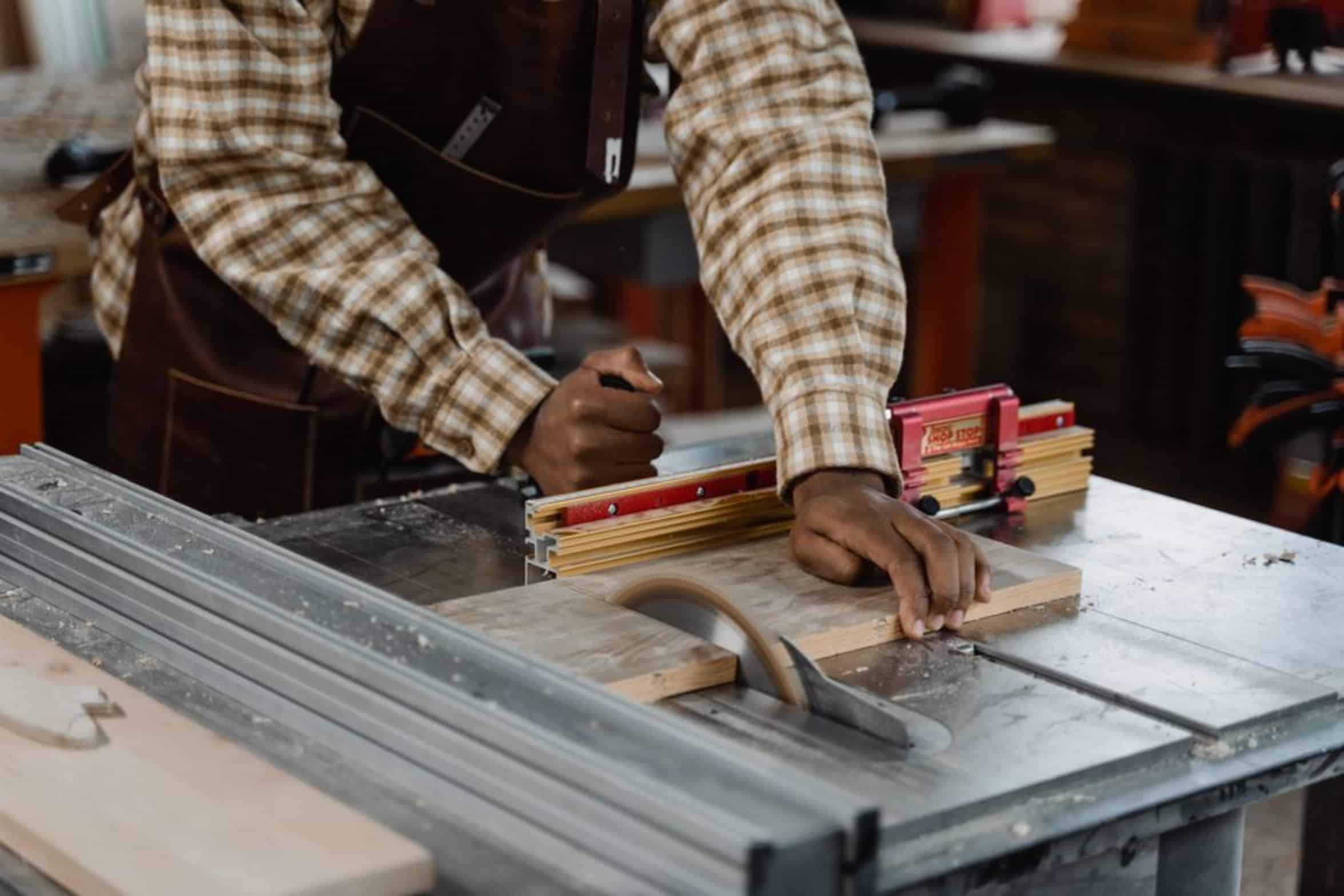
Stability. Make sure it is steady and level before slicing into anything important. There aren’t many bells and whistles when it comes to safety with inexpensive tools.
And this isn’t any different. There’s no blade brake system or riving knife. They’re nice options but they come at a price.
So then what? You just need a good old-fashioned splitter and your self-control. Don’t get so comfortabley that you forget about the dangers of kickback.
Always have a push stick handy. Keep your hands away from blade. Remember it’s a tool and won’t make up for poor technique.
That has to come from you. You’re the safety feature.
Maintenance and Lifespan
It’s very simply designed so maintenance isn’t complicated.
There are no complicated electronic parts that can fails. Just clean off the dust. Oil rails on the fence.
Check your blade tension. It’s durable if used as a workhorse, but you do have to know what you’re doing. Expecting this thing to go 18 hours a day will probably shorten its life span more quicker than expected.
Gentle use of the tool with an occasional project will keep it running for years. To conclude. The Chicago Electric table saw has a target demographic.
Ideal User Profile and Conclusion
They aren’t targeting professional cabinet makers with micron level accuracy requirements. This is a tool for the homeowner. It is for the weekend warrior.
It is for the hobbyist. This is for someone who wants to cut some wood into a frame or shelf. A tool that provides a usable platform from which one can learn how to use a saw.
Something that doesn’t cost a fortune. A decent beginning if you’re just getting started. Know its limitations.
Respect them. And then you’ll be able to get some good miles out of it. You should of known the drawbacks.