
That’s when you pull out your DeWalt charger and it won’t charge the battery. It mean no work getting done on time. You won’t get that drywall up or that ladder out.
A useless dead weight of a tool replace a useful one. The red light stay dark or blinks erratically. It just blinks but never realy seems to follow any rhythm.
The plastic box fail to do its job so now the job stall, and now you’re thinking about tossing the charger aside or heading to the store for another. Don’t toss it or go get a new charger. More often than not it isn’t the charger.
How To Fix DeWalt Fast Charger Issues
Common Reasons Your DeWalt Charger Fails
It’s more likely the battery cells themself, or how they connects to each other. The best way to diagnose a dead DeWalt fast charger is with a methodical approach. These thing is designed to take abuse on job site so guesswork doesn’t play here.
They are tough but not indestructible. If it fail during a charge cycle, there’s a reason why. Knowing what that reason is can save you both time and money.
Plus, knowing when to clean a charger instead of replacing it will keep you from throwing away a good one. It’s easy once you know where to look. Check the terminal connections on your charger and battery pack for cleanliness.
Cleaning Dirty Terminal Connections
It’s the number one reason chargers doesn’t work. Battery prongs gets coated with dust, sawdust and other gunk that gathers in the recesses of terminals. Precise electrical contact trigger the battery charge process.
When conductive crud jams between metallic surfaces, the charger detect a short or an open circuit. As a safety measure, it won’t engage. Clean battery pack terminal connections with a small brush or a clean dry cloth.
Use a cotton swab to gently remove any dirt from inside the charger slots. Sounds silly but a little bit of electrical insulation will totaly kill connection.
Interpreting LED Indicator Lights
Watch the LED indicator lights; they tell a coded story Each light have a code on it that signals charge status.
On DeWalt chargers, when you see a steady green indicator, you’re good to go, the battery’s got a full charge. Typically, flashing red and green lights signals a battery issue. That frequently means a failed sensor in the pack or a bad cell.
If the light just blinks red briefly, it could be due to an overly warm or cool battery. Wait until the battery is at room temp before attempting to charge. And if no light come on at all, then you know there isn’t any power getting to your charger.
Interpret the lights correctly to avoid replacing the charger unnecessarilly.
Testing Power Sources and Outlets
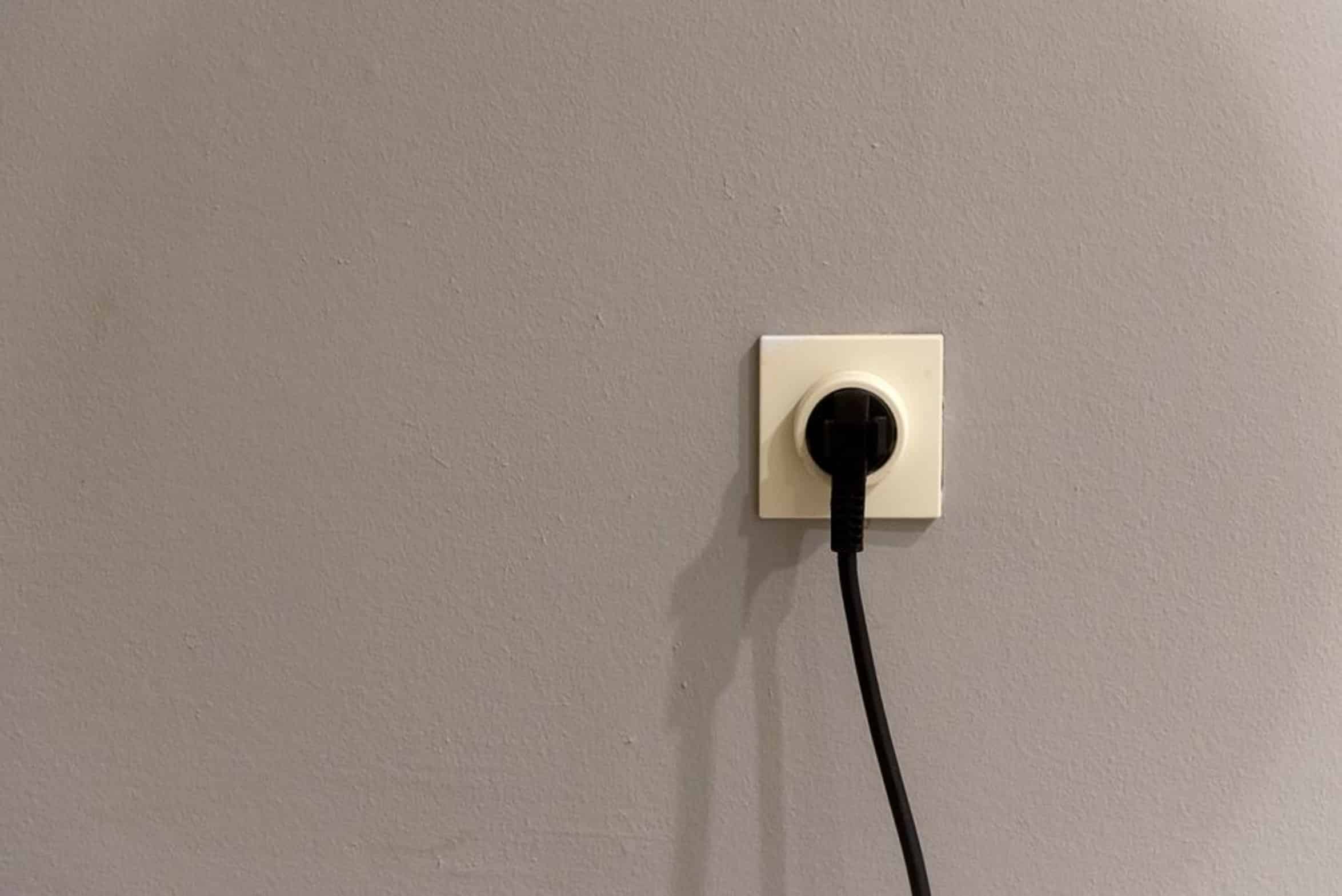
Is your power source realy putting out voltage? Just because a light comes on doesn’t mean the outlet is putting out the juice necessary for a charger.
Use another tool, or ideally a voltage tester, to test the outlet. Is it live? If it’s plugged into a power strip or extension cord, unplug it and connect right at the wall.
The longer the extension cord the more likely there will be a voltage drop, partickularly when you have several high-powered tools running off of it. The charger’s internal logic need constant power to work. Weak signals can results in the charger resetting over and over again.
Even worse, it can make the charger think the battery isn’t connected at all.
Checking for Physical Damage and Faults
Check the charger for both internal fault codes and any visible signs of physical damage. Is it cracked?
Does it show any burnt marks around the plug? Does it smell like burnt plastic or even more concerning, an ozone smell? That means don’t use it.
A short or a surge can blow out the internal fuses. There is some DeWalt fast chargers with special blink patterns to let you know they’re shot. Check your user manual for their codes.
Cleaning won’t help if the charger is bad. It’s time to think about replacing rather than troubleshooting more. To test: Try it on another battery to see if you have isolated the issue.
Diagnosing Battery Cell Failures
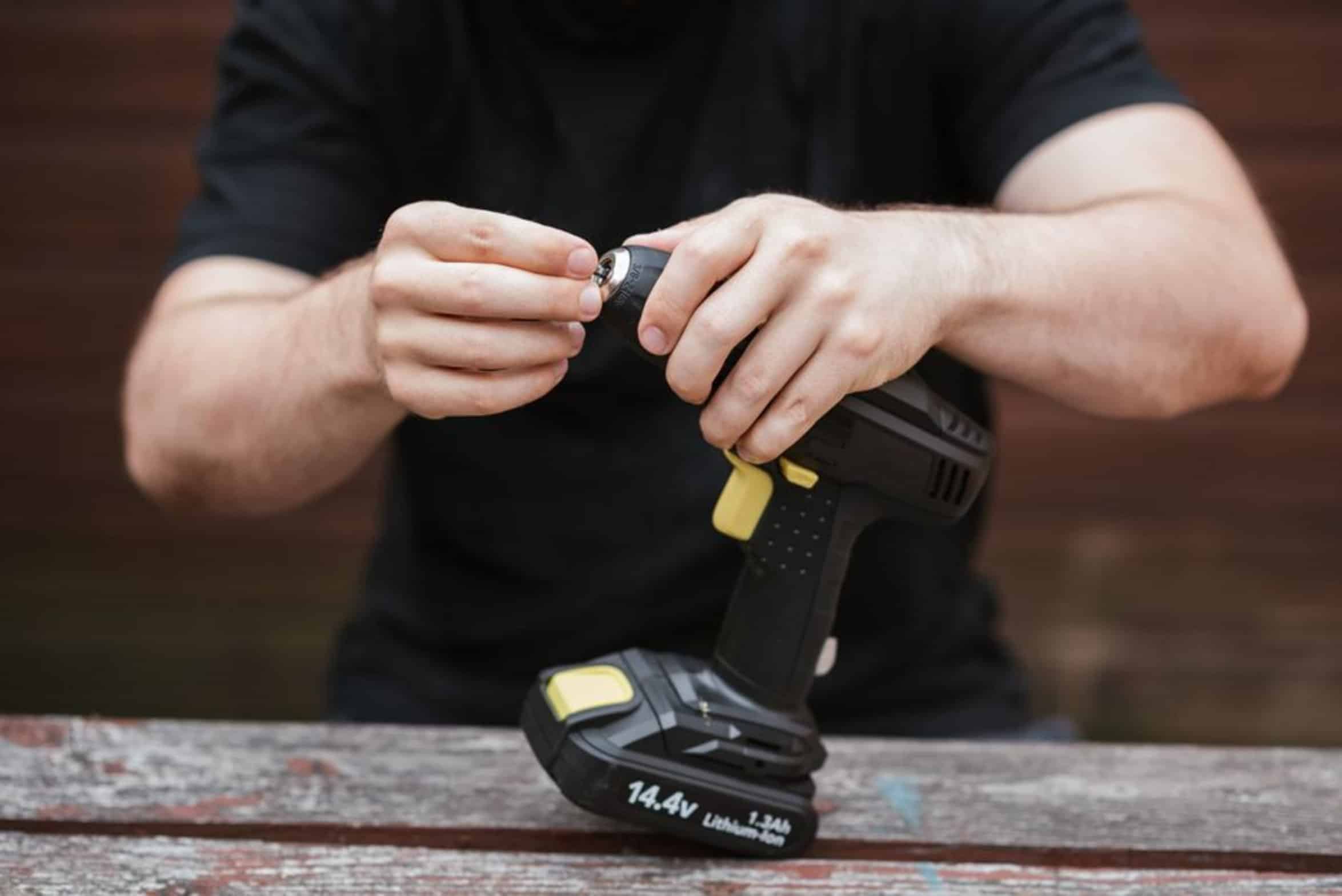
Both DeWalt 20V Max and 60V FlexVolt batteries contains internal electronics that can fail independent of the cells. The electronics are separate from the cells themself. If one cell go bad, the pack may refuse to charge.
When that happens the pack will not charge. It’s a protection for the pack to prevent overheating. It is not a bug but a safety feature.
If multiple batteries does not charge in the same unit then your charger is the weak link. The best way to know what is going wrong is swap testing. Fix those problems ASAP, then go back to work.
Checking connections and cleaning up will prevents you from needing to replace a tool very soon. Clean your terminal ends and keep your outlets in good shape. This prep should of served you well on your next project.