Go to your local big box store. Walk down the aisle where all of Ryobi power tools is sitting on the shelf, brightly colored, nicely packaged up. See them priced much lower than there DeWalt and Milwaukee counterparts.
Ask yourself what gives? Think to yourself, “That can’t be any good.” Conclude to yourself that it must just be some sort of cheap toy that won’t last a season. Think there is something more clever in play with pricing then most shopper are aware.
So what’s it really all mean? Don’t cut corners. It is not in the old fashioned way anyway.
Reasons Ryobi Tools Are Priced Lower
The Ryobi Value Proposition
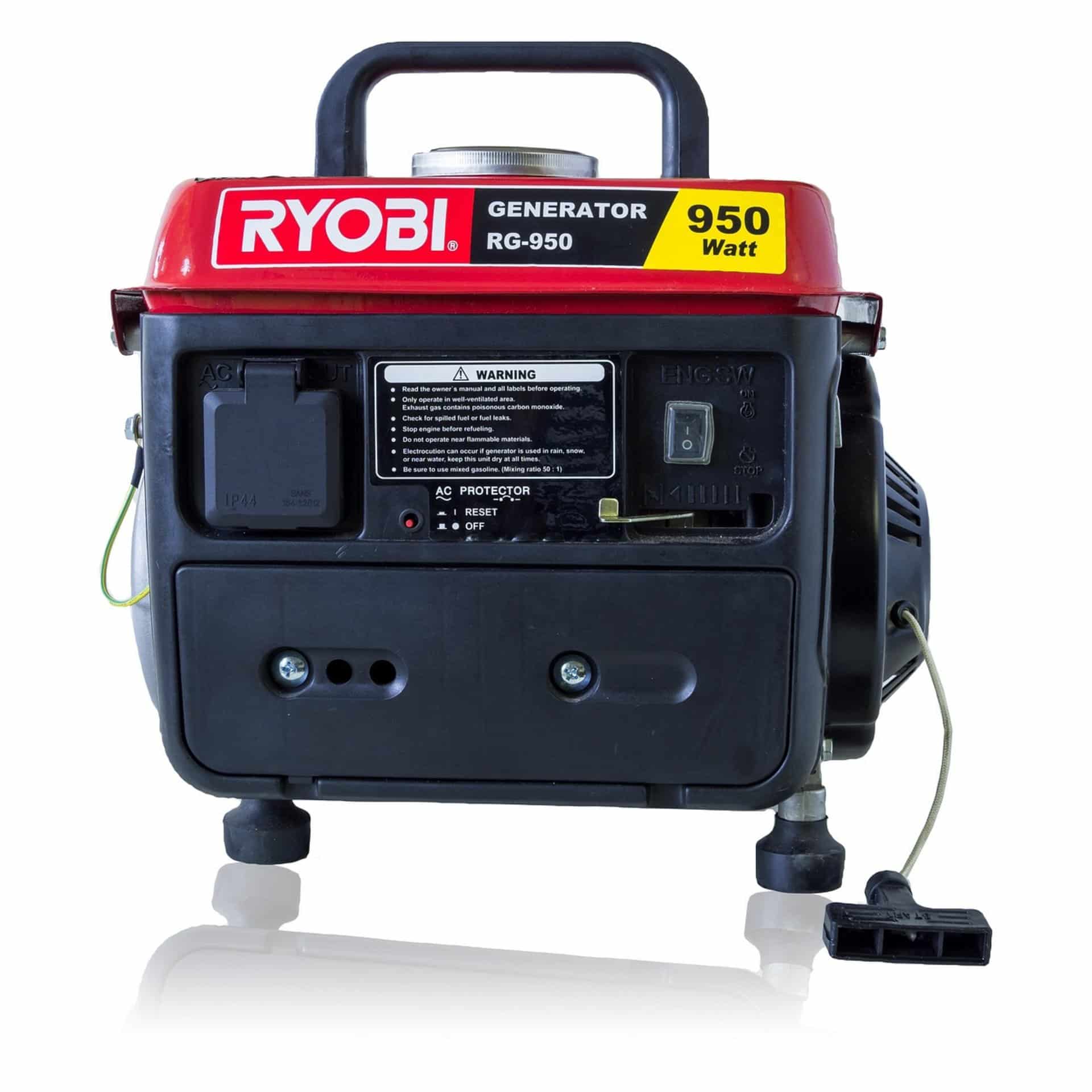
This speak to Ryobi’s approach. They do things differentaly. They’re very efficient at getting products out in large amounts.
And they goes after a particular type of customer. Knowing that shift perspective. It gives insight into whether or not their tool should be in your shed.
It also shifts your perspective on the rest of market. But what’s most noticeable? What about that power platform?
Dominance of the ONE+ Battery Ecosystem
And yes, Ryobi dominate the ONE+ battery ecosystem. More than two hundred compatible tools takes one battery. Purchase a shop vacuum, a leaf blower, a trimmer, and a drill.
All run on same green brick. That make things much cheaper as you make more. The maker makes millions of exactly the same batterys.
That drives price per unit dramatically downward. Because the battery tech cover each line of products, you get the battery at a lower price point. Smart move by company.
It is an even smarter move when you accumulate tools.
Economies of Scale and Manufacturing Efficiency
Then there is the supply chain. Ryobi belong to a giant called TTI which manufactures tool worldwide.
Because it is a gigantic corporation, TTI have tremendous purchasing power over suppliers. It can absorbs electronics, plastics, motors wholesale that small companies cannot. It also improve every step of its manufacturing process for volume and speed.
Every dollar saved on logistics get passed down to the shelf price. That’s not cheap production as in bad quality. That’s cheap production as in efficient production.
And when you’re purchasing multiples, that makes a huge differance.
Target Market for Homeowners
The other thing to note is the target market. Ryobi make tools that are targeted at homeowners.
They’re not making drills for an electrician running wire all day long. They are making them for people hanging pictures, putting together Ikea furnitures, repairing their deck railing. Because of this, the specs reflect the fact that the tools is good enough for light to medium duty applications.
They don’t have to match the power of pro-grade equipment. It is not just about the materials, but also the research and development. That allow for savings there too.
It’s a very planned move as to what typical user requires.
Quality Control and Durability
The other thing people get confused about is quality control. I find Ryobi tools to be more than capable of getting job done.
In fact, in the past 10 years or so, they’ve gotten much better. The plastics are tough. The motors holds up well if you don’t use them all day long.
But again, that’s not to say they’d hold up if you were dropping them off end of a scaffold every afternoon. And that mean additional cost. Ryobi doesn’t bother with the super-rugged stuff.
Instead, the company deliver good enough performance for a decent price. And most homeowner aren’t going to push these tools to the limit anyway.
Retail Distribution and Pricing Strategy
But distribution also matter here.
A large percentage of Ryobi products are sold at Home Depot which move a lot of product. Many of their partnerships is exclusive by category. That means buying in bulk with streamlined logistical support.
You have an entire retail infrastructure designed to sell units fast. Volume sales means lower overhead per unit. It’s available right next to the front door.
You see it, you can get it and it’s priced for impulse buys. It’s an effective retail strategy that keep prices down for all parties.
But so why are they cheap?
There’s no hidden flaw or magic ingredient. It’s a business model. It is a business model that understands the consumer and builds in both scale and efficiency.
And it will get job done for the vast majority of your household tasks. You aren’t paying for the abuse it can take from pros. If you know what you’re buying, that’s a fair trade.
For most, the green tool works because it is exactly what they need.