Here’s what happens: You’re standing in middle of an aisle in big box home improvement store. On one side is a table saw that seem identical to the one on the other. They both have that familiar red blade guard on them, they both tout some sort of proprietary braking system designed to keep your fingers intact.
There are hundreds of dollars between these two models but the marketing blather makes them appear to be exact same tool with slightly different clothes on. That confuse people (and costs them money) or causes them to buy a tool that does not fit their workflow. Beyond money, however, the distinction between SawStop’s Professional and Industrial lines is about matching your cutting needs with the capabilities of the machines themselves.
There’s a big difference between the unrelenting pace of a production environment and the space limitations and flexibility requirements of a small job site or serious home garage. Get it wrong, and you end up buying a tool that fight you. Get it right, and you buy a tool that works for you.
Key Differences Between SawStop Professional and Industrial
Understanding the Core Differences
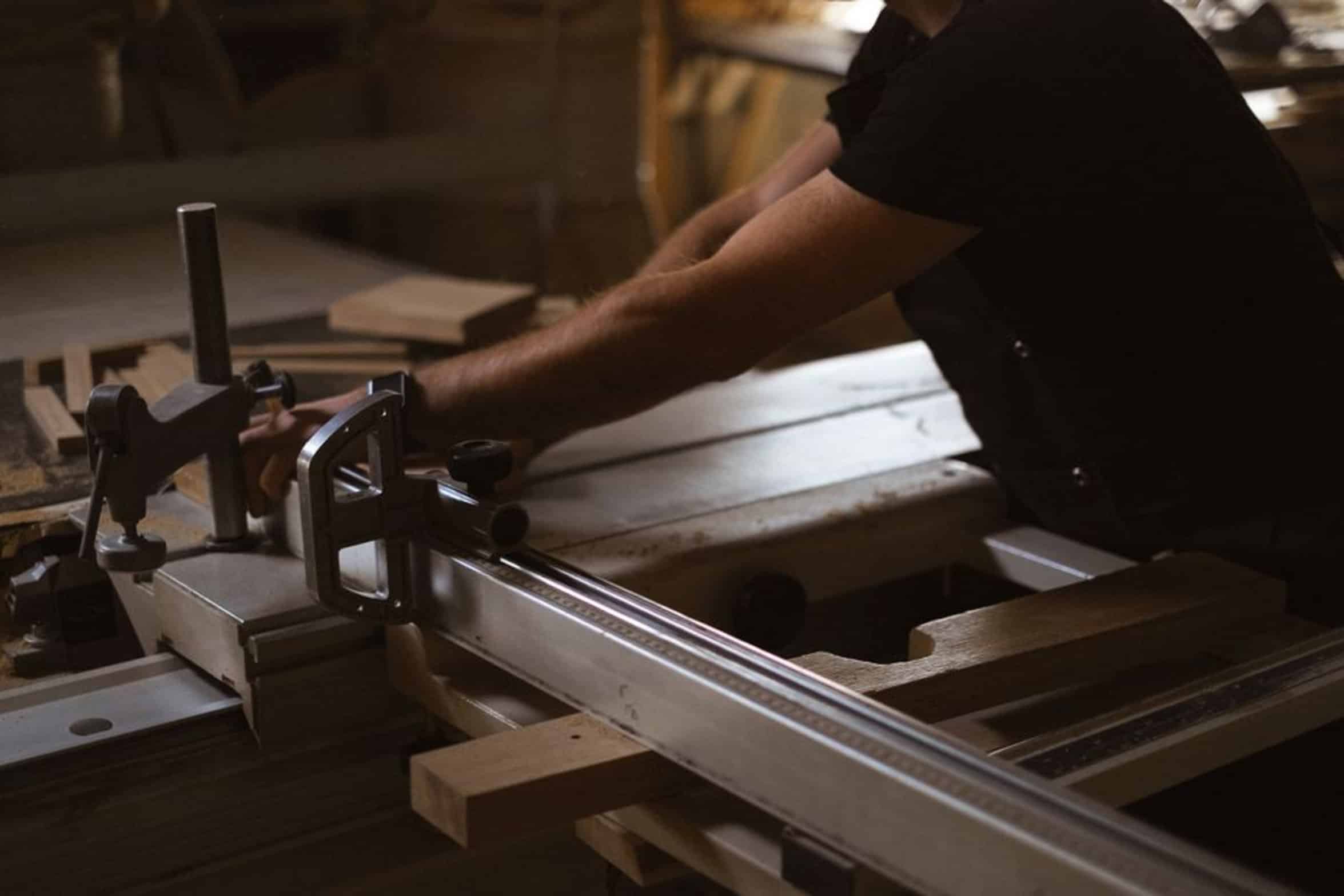
Then there’s the story of the chassis and motor housing. Industrial tables is made from heavier cast iron. The stand design for the Industrial are more robust as well.
You feel like it is anchored down. The Pro line is lighter and usually ships with either wheeled base or folding legs that prioritize mobility over pure weight. Want to take your saw around?
Chassis Weight and Mobility
Want to tuck it into a wall somewhere when not in use? Save yourself some back. Just buy the Pro model.
If the saw will remain in place in the corner of your workshop forever, then you’ll get the added sense of stability that lead to less vibration under aggressive cuts. The other big difference-maker is dust collection. Production shops live and die by clean workspaces.
Dust Collection Capabilities
The Industrial models has more aggressive shroud designs and bigger ports so they don’t clog up when cutting continuously. Dust management isn’t an issue with occasional use, which is fine for the Pro line, but if you’re cutting lumber for hours at a time, you won’t be able to keep up with the dust. You’ll end up sweeping more with the smaller model.
If your use is cutting trim on weekends, that’s a good trade-off. But if you’re framing houses for a living, that will start to get annoyinger. There is a slight but significant difference in how power gets delivered.
Motor Performance and Duty Cycle
They both uses SawStop’s capacitor start technology which gives good torque at startup. Industrial motors tend to cool better over time and have higher rated continuous duty cycle. The professional motors are plenty strong enough for all of your DIY needs but may be pushing if you’re ripping thick hardwoods non-stop.
This is more theory for most people than anything else. If you are a contractor, it becomes an everyday reality that impact tool life and ultimately the quality of your work. The two lines do have the same type of safety system; however, the way to get a new one are different.
Safety System Costs
They both operate with the same cartridge style braking system. As soon as your finger comes into contact with the blade the cartridge fire and halts the blade in less than a millisecond. So what’s different?
Well, who can purchase them and how much will it cost? If you’re a professional user, you purchase individual cartridges. If you’re an industrial user, then you purchase them by the box, most likely through a trade account.
Safety remains the same, but how much it costs to accidentally trip the switch depends on whether you own the line. Ultimately it’s a matter of venue and volume. The Professional line is ideal for serious hobbyists, finish carpenters working in clients’ homes, or people with limited garage space, as it provides 90 percent of the performance with much less weight and size.
Choosing the Right Model for You
For anyone processing big volumes of lumber, running a cabinet shop, or framing houses, the Industrial series pay for itself on dust management and durability alone. It’s a beast that’s built to endure. And this isn’t a skill test.
This is an honesty test regarding how you use it. Take a look around your floor space. How much are you building?
Select the machine that fits your needs best. Know that either choice will keep you safe as you build. It should of been easyer to choose.