After years of keeping your tools in order with cabinets and a painted floor, you buy a QuickJack, which can lifts up your car so that you can use garage as workshop. Pump it, the platform goes up, and no more crawling underneath your car, nice! But then one day it’s not responding and now what?
The machine is solid steel; many owners feel that this makes it indestructible. Electrical connections is sensitive to weather. Hydraulic systems is unforgiving to neglect.
You have a heavy car suspended in the air and when problems arise, panic quickly follow. Learning to troubleshoot and repair the problem will save you calling an expensive tow truck. And it will keep small glitches from turning into a total failure.
Common QuickJack Problems And Easy Fixes
Check the Power Supply Cord
First thing to look at are the power supply. The cord is quite long (good). However, it sometimes gets walked on or coiled around.
This can damages the cord and break it inside the jacket. There won’t be any voltage going into the pump if this happen. Sometimes, the remote will have the lights flashing indicating that the unit are attempting to communicate but has no juice.
Unravel the cord completely and take a close look at it. Look for cuts and kinks in the cord. Often just looking is enough to tell what’s wrong.
If your cord is torn, replace it ASAP. Taping it up is a shock risk and fire hazard. Don’t play games with heavy equipment and high voltage.
Inspect Hydraulic Fluid Levels
Is the system sluggish? Check hydraulic fluid level To raise and lower the cylinders, the QuickJack relies on a special type of hydraulic oil. Because there are microscopic seal involved, hydraulic fluid will eventually leak or break down.
When the reservoir get low, the pump starve for lack of fluid, which causes air to enter the system and form bubbles. Those air bubbles compress rather then lift the weight. Control feel becomes spongy.
Find the reservoir (it’s located by the pump motor) and make sure it’s topped off. If necessary, use the oil recommended by the manufacturer. Do not deviate from the specifications; it’ll mess up the internal seals and is bad juju.
A quick check here ensure smooth operation. A more noticeable issue would be leaking oil. A clear sign of a seal failure are dark streaking on concrete.
Address Oil Leaks and Seal Failures
Friction, heat and cold will wears the O-rings that hold the pressure in the cylinders over time. If you notice an ever-increasing drip, the lift will decreases in height over time. Do not ignore this.
A slow leak can lead to a total seal failure and a sudden loss of height. Replacing the seals mean taking apart the cylinder housings. That’s something most owners should of leave to professionals, as it saves time and guarantees the proper torque specs is used.
Saving money by using a DIY repair kit is no longer worth it when safety enters the equation. Another frequent problem can be electrical interference. The QuickJack communicate via radio frequencies between the control box and remote.
Fix Electrical Interference and Signals
Dead batteries, metal interference or other electrical equipment in your garage can interferes with that signal. First replace the batteries; intermittent signals occur if battery power are weak. Next, inspect the antenna connection on the control box.
It should be clean and tight. A loose connection will break the signal path. Again, you want a clean line of communication so the unit know when to raise and lower.
Most signal issues is solved by cleaning contacts and securing fittings. But most head-aches are avoided with routine maintenance. Clean the unit, road salt and grime will cause corrosion on metal surfaces and gum up moving parts.
Perform Routine Maintenance and Cleaning
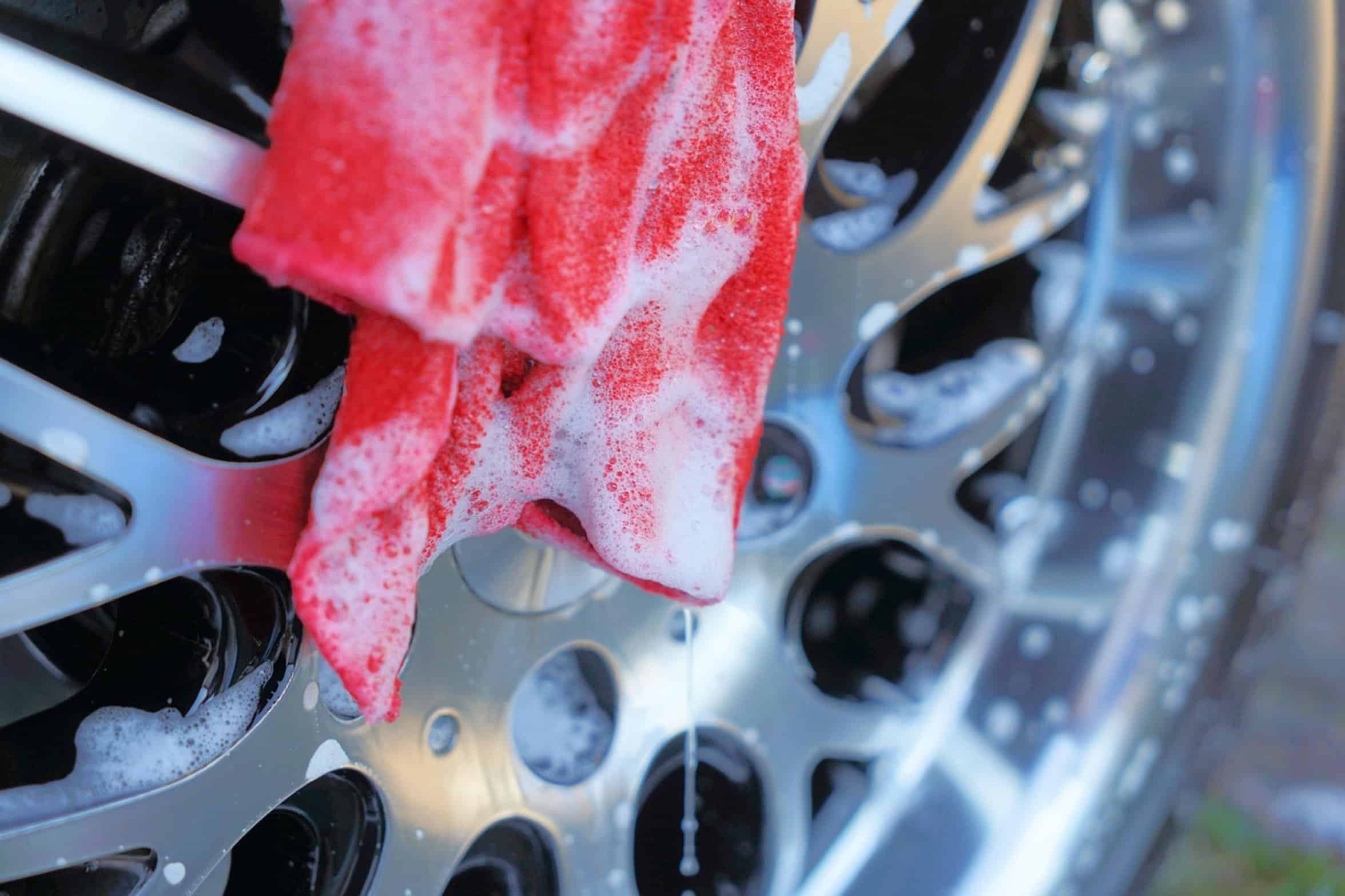
Be sure to grease the hinges and guide rails as the manual says. Ensure that the electrical system has a grounding wire. It is good for both your life and your investment.
Feed the QuickJack clean oil, keep it free from junk and treat it like a living thing. If you do, you’ll have a reliable car lifter that lasts for years. Before you know it, the garage is back in order for the next project.