This is a Powermatic tenoning jig for your table saw. Convert your table saw to a precise joinery machine. No more messing with different set-ups to get good square tenons.
And no need for specialized equipment and extra floor spaces. This isn’t just a way to hold some wood, either. This is more of a jig and blade thing.
How does it perform? How do you use this tool? What are the safety aspects.
What will be the quality of results? This review will demonstrate who should purchase this jig, why you might want to wait on it, or if it’s all that and a bag of chips. The first thing you do is set up your fence.
Powermatic Tenoning Jig Review and Guide
Setup and Fence Alignment
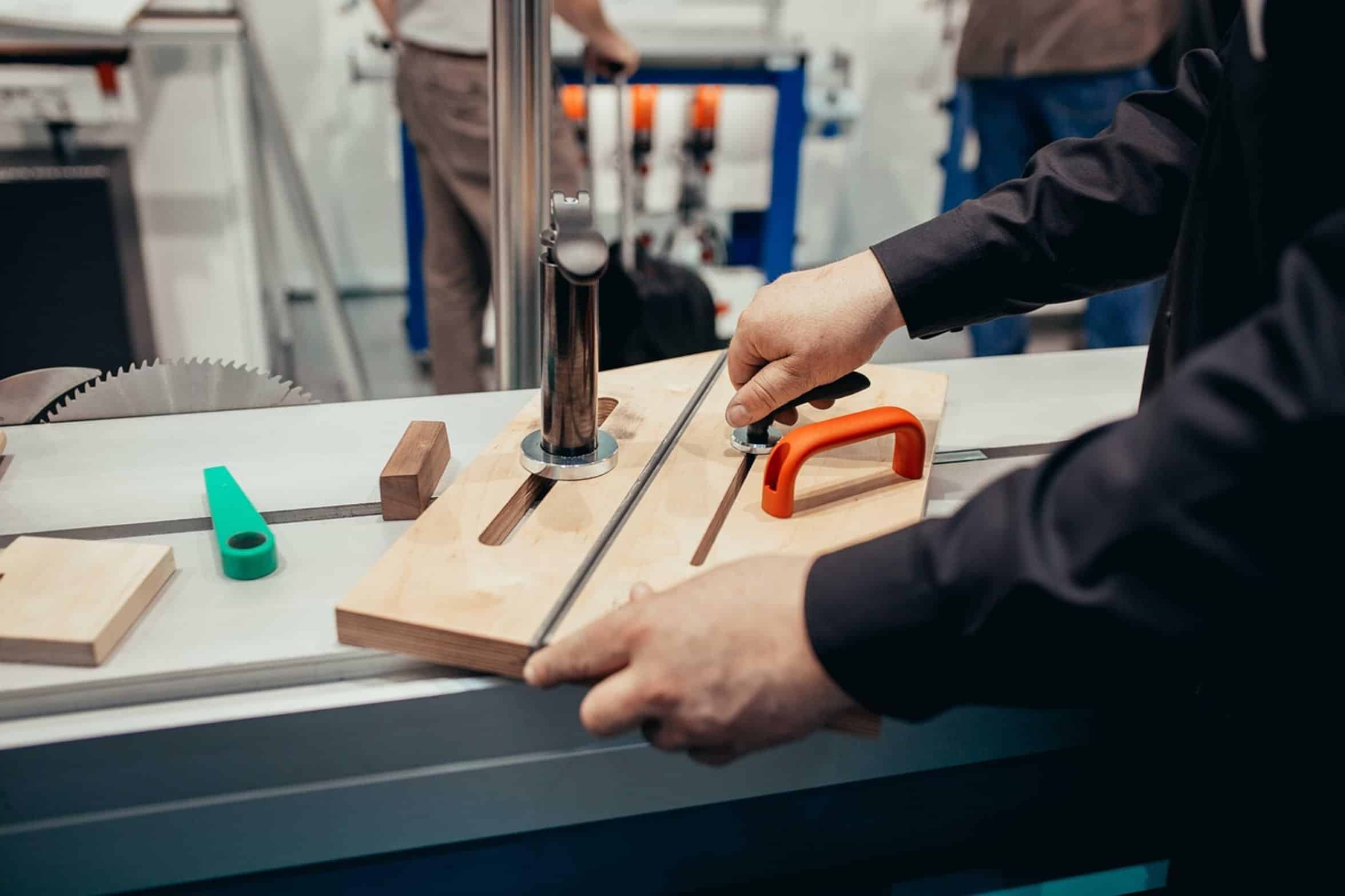
The Powermatic jig clamp onto the saw fence. It’s important to have a good solid straight fence. A crooked fence lead to crooked tenons.
Next you align the jig with the blade. Move the fences on either side to mark width of the tenon. Use a sharp pencil and hold it steady.
Read the directions. They’re easy, but cutting corners here is painful later. Half the fight are getting it lined up well.
After you get it adjusted, the jig serve as constant reference for the rest of the cuts. All of that attention at the beginning pay off on all subsequent cut. For cutting the cheeks, it’s simple.
Cutting Tenon Cheeks
Slide your piece over the jig. The table saw takes care of everything else. Keeping the fence in place keeps it all parallel to blade so you have even cuts.
Feels solid. The jig doesn’t budge when making the cut and the clamp is beefy. You can feel confident running several through at once.
They’ll line up. That’s the entire appeal. You get control like hand sawing but without inconsistency of human hands.
And that’s where this design from Powermatic take the table saw’s strength and puts a lid on the possible risks. It is a good compromise for most shop. But shoulder cuts are another story.
Shoulder Cuts and Precision
For those, you turn the stock over and cut off the ends so they match up with the cheeks. A lot of jigs has trouble there, rounding out the corner or having gaps. On the Powermatic jig, this operation use a miter gauge slot.
It can be made to work but requires some focus. Make sure that your miter gauge is really locked down. Set your stop block properly.
Rush through this step and your fit won’t be right. Precision is not optional. A good fit make a tenon strong.
Loose fit is nothing more than waste. So take your time on the shoulders. The jig can help but it doesn’t think for you.
Of course safety is always a consideration when it comes to table saw accessories. The Powermatic jig feature anti-kickback pawls and a splitter. That is good.
Safety Features and Best Practices
But still, you’re pushing a piece of wood into a spinning blade. Tenons can be unpredictable, especially small ones. There is not much surface area to grab hold of them.
Push sticks are a must. Never rely on your fingers; push sticks are mandatory. Now the jig will keep your hands away from the blade.
It doesn’t take away all risk. Use caution around the blade. Always stay focused.
A momentary lack of attention can make your day. The tool is only as safe as the user making it. Conditional statement but an important one.
Your blade matters, A regular crosscut blade is fine. For smoother cuts get a joinery blade with more teeth. Start with a nice cut and sanding won’t be as hard.
Blade Selection and Maintenance
Don’t forget: the Powermatic jig doesn’t alter the laws of physics for the saw. That means what happens with the wood without it still happen with it. Use a dull blade and your tenons will tear out or burn.
Get a new one before beginning the build. This sounds like a no-brainer, but I’ve forgotten this fact in my excitement to build. Sharp steel makes clean joints Clean joints look professionaly.
So what about you? Is it worth the money? If you build only an occasional piece of furniture, it is probably not worth it.
Value and Final Verdict
If you make chairs or one-offs, the cost is significant. But if you’re like me and you build on a regular basis, this will save you time. This will help avoid mistakes.
As builders, we often try to be consistent but can make human errors. The Powermatic tenoning jig are for those of us who want precision. And I’ll say right now: it’s no magic tool.
It takes respect for the machine. It needs care. It needs setup.
But when it’s dialed-in, it produces results that is difficult to beat. It produces strong joints with minimal stress. Sounds good to me.
That’s a winning ticket in my book. You should of bought one if you want better results. Making tenons can be moddern and easy.
This jig makes the job much more comfortabley. If you want precisian, this is it.