A table saw is one of those purchases that makes or breaks building a serious woodworking shop. What you want is something capable of cutting both rough lumber and delicate dovetail joint. The argument for years was: cabinet saw or contractor saw?
The introduction of the Powermatic Model 63 bridged that divide. This table saw combine the portability of a contractor model with the heavy cast iron construction of a cabinet saw. It became a mainstay in the mid-level shop for decades.
If you are looking for a precise cut with minimal fuss and don’t have room in your shop for a huge commercial machine, I can see the allure. It is a machine that doesn’t wiggle under plywood as you pass it through and give you a stable, accurate cut. That’s what you get from the Powermatic 63 and there are trade offs.
Knowing the trade offs will help you make a good decision about whether this is the right saw for your space and your work flow. The table is what stands out most about the Powermatic 63. It’s solid cast iron and quite unlike tables found on other contractor saws made of steel or thin metal.
Powermatic 63 Table Saw Review Overview
Cast Iron Table Construction
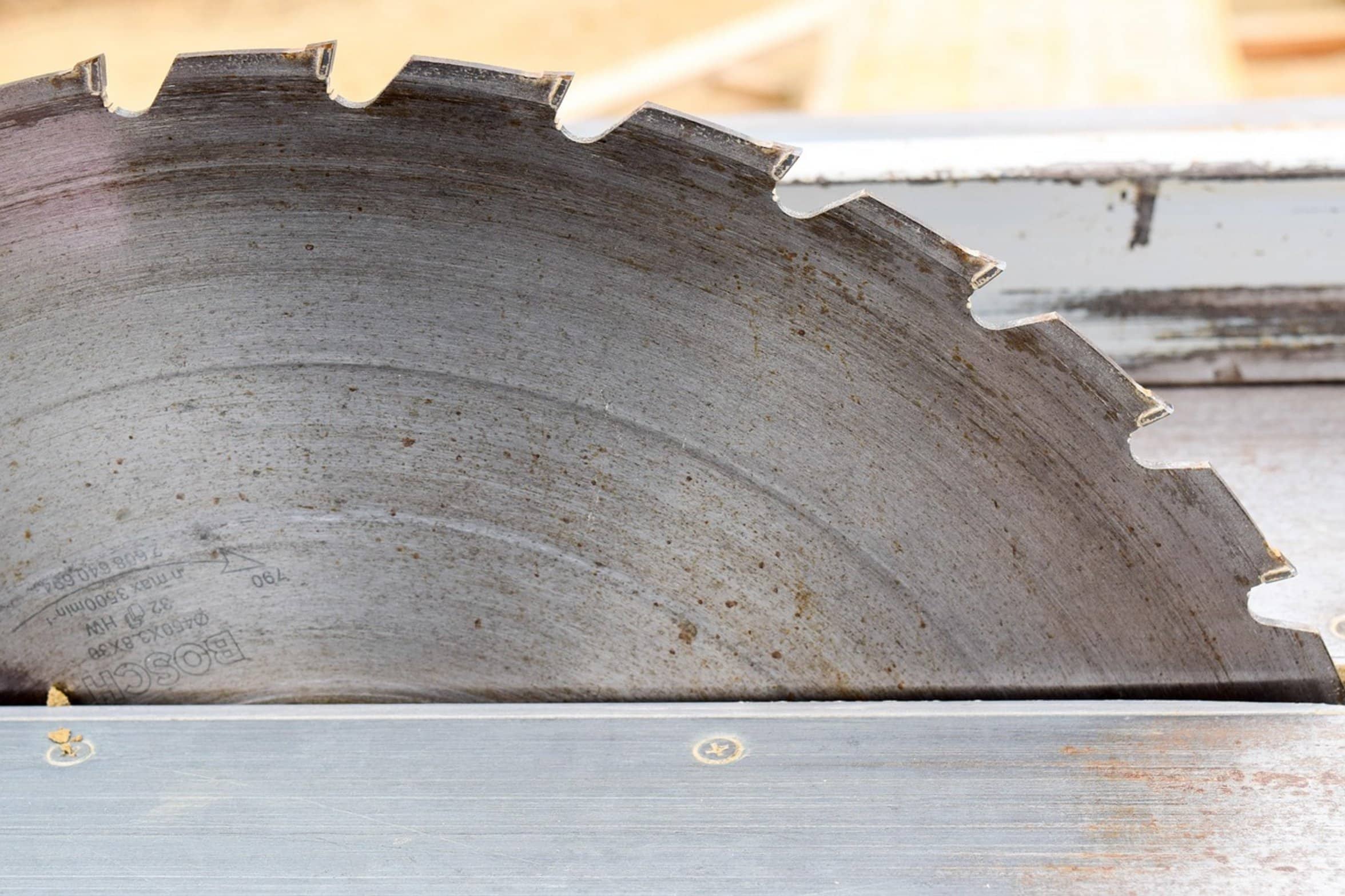
A good table should be rigid. Any vibration will decreases the quality of your cut. And when the blade is spinning, whatever flexes in the table will transmit into the wood resulting in an inaccurate dimension or even tearout.
The heavier table also dampen vibrations, takes in some of the energy and keeps the cut smooth. That’s the basis of the reputation of these machine for precision. A solid trunnion system are built into the table.
The blade assembly and motor is mounted to the trunnions. On the Model 63 they mount right to the cast iron table. That means that the blade sits squarely to the table for years.
Most lesser saw get off kilter over time. You have to keep adjusting them back. Not with this one.
It maintains its shape. It’s worth the added weight because you don’t spend as much time dialing it in and more time cutting.
Stability Versus Portability Trade-offs
The first concession you’ll find is weight.
It’s not something that you can just kind of throw in your garage and roll out whenever you want to use it. While the cast iron makes it nice and solid while you’re using it, it also pins the saw down in place. If you’re often moving from one shop set up to another, or if you’re working out of your truck on jobsites, this loss of portability might be a major negative for you.
It’s a trade-off: stability versus being able to go portable. In most cases, if you have a permanent workspace at home, the former outweighs the latter. If you’re a traveling contractor, however, this is probably a dealbreaker.
Motor Power and Direct Drive Performance

Powered by a 1.5 horsepower motor, the standard version of the Powermatic 63 sounds puny next to the 3-horsepower motors found on full-size cabinet saws. But in practice, it perform admirably for most woodworking tasks. Because of its direct drive belt system that reduces energy loss, the smaller motor pushes sufficient power into the blade consistentely.
A sharp blade and feeding your work in an unhurried manner will let you rip hardwood and cut sheets of plywood without bogging down. It is no problem for weekend projects. Continuous industrial production is not what it’s designed for.
Fence System Upgrades
On older machines, the fence system is frequently lacking, which means it’s time for upgrading to make it truly perform like a cabinet saw. The Powermatic 63 has a decent (but not exceptional) stock fence. Most people replace it with an aftermarket fence such as a Lie-Nielsen or Rockwell for increased locking strength and paralleling ability.
That’s what many people do with this saw. Keep in mind you’ll likely have to think about the cost/effort of that upgrade when making your purchase decision. The saw will be functional right out of the box; however, the fence might require some love to reach its full use.
To conclude. The Powermatic 63 fits into a special place in table saw territory. It’s not as big as some other cabinet saws and isn’t as expensive either.
But it has the feel of a cabinet saw; it’s durable and precise. You’ll need to invest in a fence if you want perfection. And because it is so heavy, you will have to dedicate a spot in your shop to keep it.
For someone who wants something stable long term and also values a place to put their table saw, this is a great base for serious woodworking. When things get rough, it holds strong. The cuts are clean and hold up under close inspection.
It would of been better if the motor was more moddern. You should of checked the weight first. Woodworking furnitures can be heavy.
It’s actually quite luxurius to have a machine this stable. Naturally, you will need tools. If you want to recieve a good cut, check the blade.
Looking based off previous experience, I think it is great. The saw sits on the table more better than others. This should of been mentioned earlier.
It’s different than other saws. One can absorbs more energy here. Most people finds it easy.
A armchair would be less heavy. You should steers it carefully. This table sits well.
Rectangular tables suits this work. He goes to shop and sees the saw. She works on wood.
The blade is sharp. It was good.