Most home project fall off the rails when it comes time to cut a curve. With a tape measure and circular saw, you can knock out a straight box, no problem. But when it’s time to make a curved cut, whether it’s shaping a deck board or trimming out a drawer opening, precision become a challenge.
The usual answer: a jigsaw, but not all jigsaws is alike. One tool brand that sits squarely at the middle of price range is Porter Cable, which has long made its mark in the toolbox game. They are not the cheapest tools on the market, nor are they high-end pro-grade tools like DeWalt or Milwaukee.
It is just that sweet spot between budget-savvy contractor and the DIYer who means business. A lot goes into choosing the correct jigsaw. You don’t want something cheap because it will walk all over the place, burn through wood and make you want to quit.
At the same time, some of the expensive pro models has too many extra features you won’t ever use. Let’s dig a bit deeper into the Porter Cable lineup, as there are some unique tradeoffs here. What do you realy get for the dollar?
Do they stand up to demands of everyday use? It’s not always so cut and dry, but after you learn what to look for, the answer becomes clear. When you pick up a Porter Cable jigsaw what is the first thing you notice?
What You Get From Porter Cable Jigsaws
Build Quality and Reliability
Build quality. They feel solid in your hands which is always a good indicator. They aren’t chintzy plastics that break at the drop of a hammer on concrete.
The housing is beefy, and they have components inside that can stands up to some work. Because these things are built well, they last longer then their bargain bin cousins. You don’t pay for a motor in a box.
You pay for a reliable tool. Reliability means less downtime and fewer repairs when you need it most, in the middle of a project. The specs come to life on power delivery.
Motor Power and Performance Limits
Generally speaking, Porter Cable jigsaws is going to have a motor between 5 and 7 amps. That may sound like plenty to cut through plywood or soft wood. And it is.
It slice right through normal lumber without stalling. But then if you want to cut thicker hardwoods or other harder material that’s when you can run into trouble. If you push it a little too far, it may struggle or slow down.
Again this isn’t a flaw of the tool but the limits of its design. Learn to work with the tool, don’t work against it. Slow down and let the blade do the work.
Shoe Design and Bevel Adjustment
Also pay close attention to the shoe design on Porter Cable models. It has to be an adjustable and stable base plate. Most of their jigsaws has a nice, solid bevel adjustment that locks down well.
That’s important when cutting angles because it will make them accurate. And if your foot wobbles so does your cut. The shoe also needs a material.
Plastic can get warped over time where metal lasts longer and stays flat. Pay attention to what you are looking at. A good sturdy shoe makes a big difference with your finish work.
Dust Ejection and Visibility
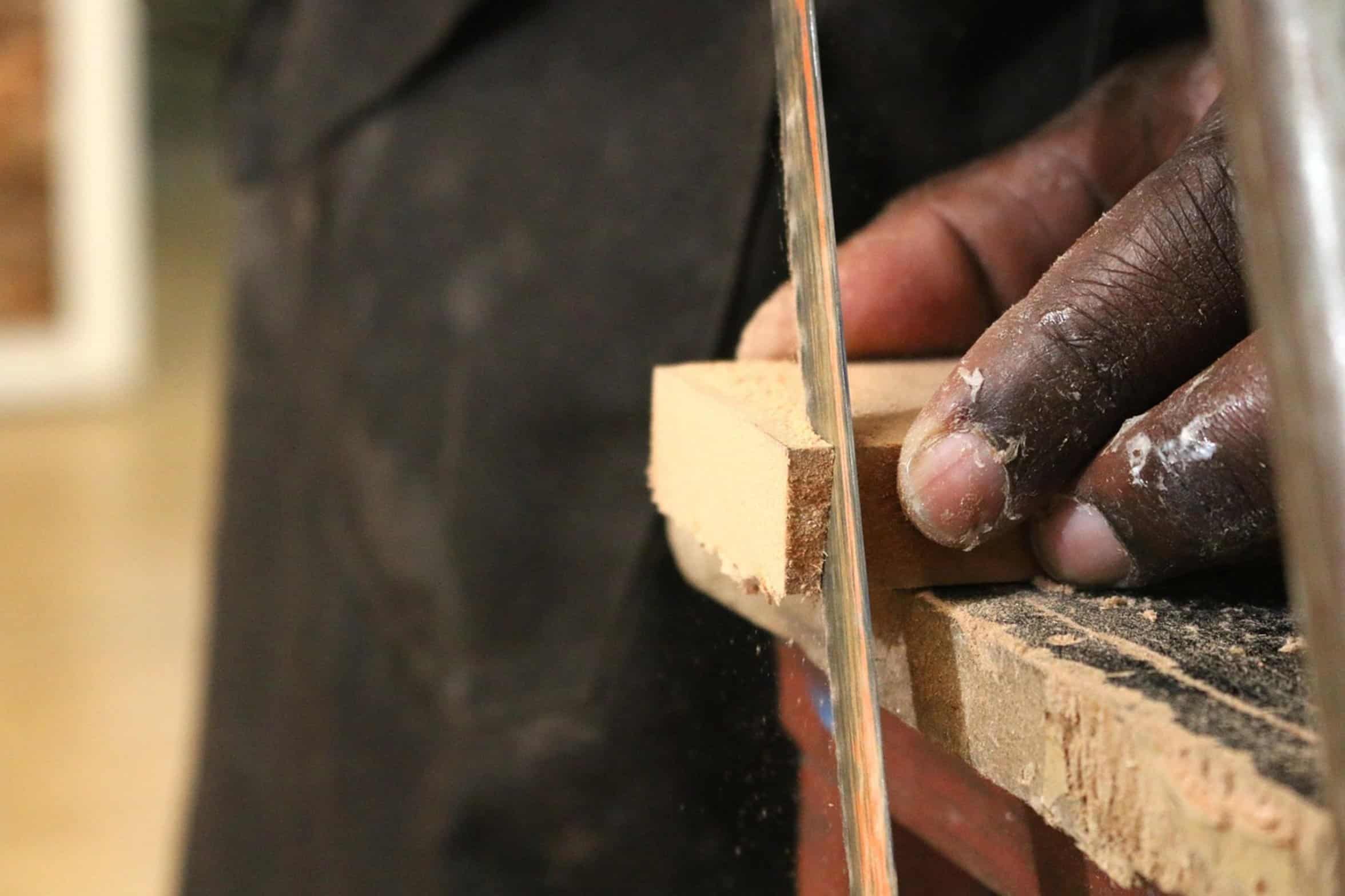
Tool reviews don’t mention dust ejection enough, which can ruin lots of jobs. Over the last few years, Porter Cable has been addressing this issue. Their new tools now have built in blowers or ports to connect your shop vacuum.
Half the battle in clean cutting is being able to see the blade. If there’s no line showing because you’re covered in sawdust, you’ve guessed it…you’ve got it wrong. And when you guess?
You cut wrong! Having a clear view makes for accurate tracking. It makes a messy job clean.
This small detail will save you much frustration and time.
Toolless Blade Change Systems
The Porter Cable line has different blade change systems. Some of the older ones will have a screw-in system.
That is too much fuss for a blade change. The newer ones tend to be toolless blade changes. That is a huge improvement on workflow.
No need to go digging around for a screwdriver each time you change from a fine finish blade to a rough demolition blade. When you get going, speed is everything. A quick release lever gives the tool a more professional and responsive feel.
Know what system your particular model has before purchasing.
Final Verdict for DIYers
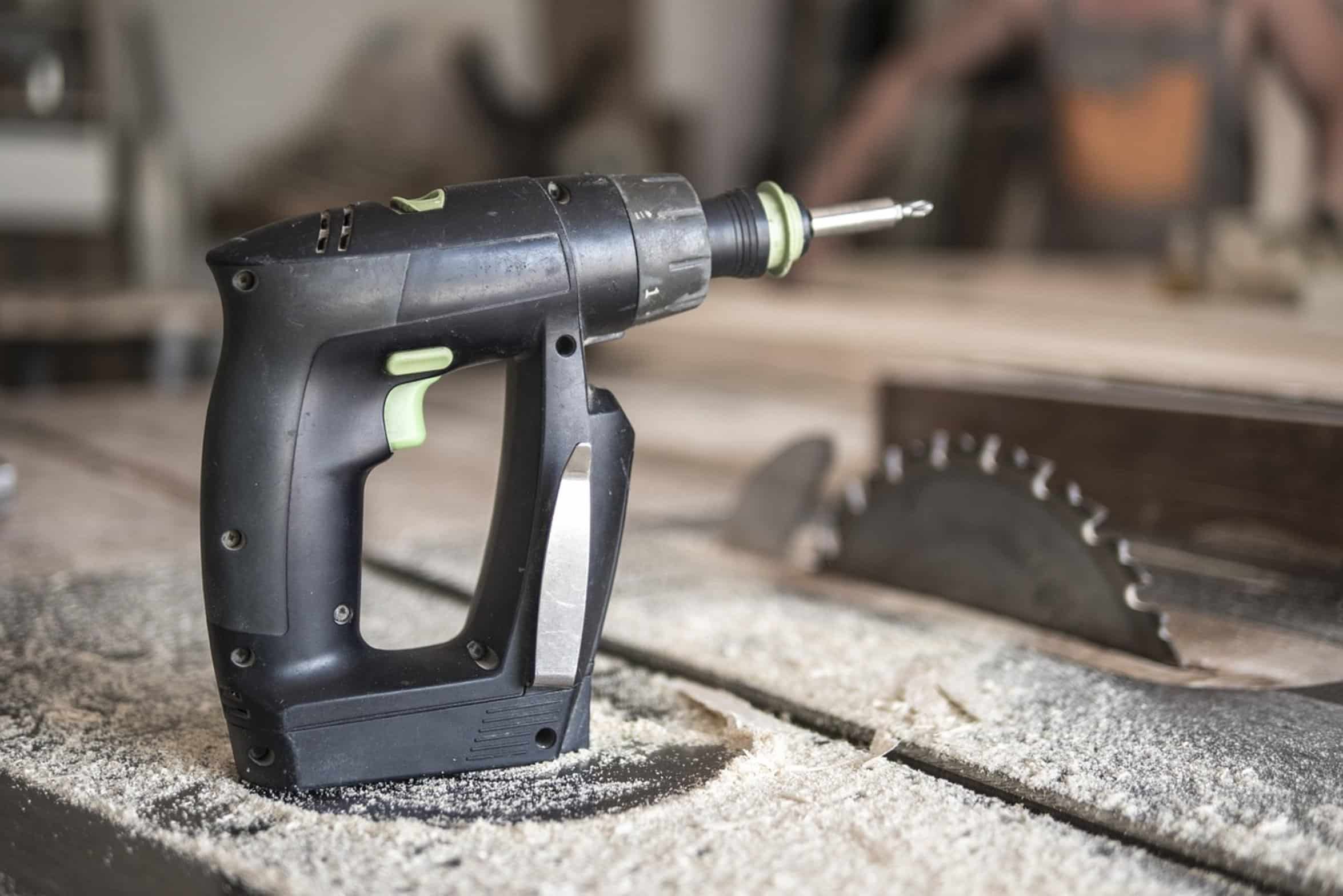
So overall I think if you’re an average guy looking for a good jig saw then Porter Cable might be right up your alley. It offers a decent mix of durability, cost, and performance without being too confusing.
You’ve got yourself a workhorse of a tool that can handle plenty of projects before needing to be replaced. Will it cut like a high-end, laser-guided saw? Of course not.
Is that all you want? No. It’s not perfect but it’s a very solid jig saw for the money. If you want to make some straight cuts, some curved cuts, do some plunge cutting, and you don’t want to break the bank (then this is the jig saw for you).
It keeps you going. That is what matters in any shop.