The titanium nitride drill bit gets stained with what appears to be some sort of job site dirt. But no, it’s the beginning stages of oxidation that will eventualy lead to rust and turn a once-sharp drill bit into a dull one. Each bit in a set has its edge quality ruined by rust.
Drilling becomes a more difficult task then necessary. To many folks, shoving your tools into a box protects them. That’s only part of it.
Moisture and air will degrade any drill bit whether made by Milwaukee or DeWalt that cuts on wood and metal. Keeping that up maintains their mechanical advantage as a drill bit. It’s not just about appearance.
Practical Tips To Prevent Drill Bit Rust
The Danger of Oxidation on Drill Bits

Controlling Moisture in the Workshop
The first line of defense is moisture control. Rust come from water and generally speaking, humidity isn’t good for your workshop. If you live in a high-humidity area during the summer or on the coast where air itself is working against your tools, silica gel packets are a good ally.
Toss a couple in your bit case to absorb ambient moisture. It prevents chemical reaction before it occurs. I know a lot of folks use machine oil for preservation purposes.
Choosing the Right Lubricant
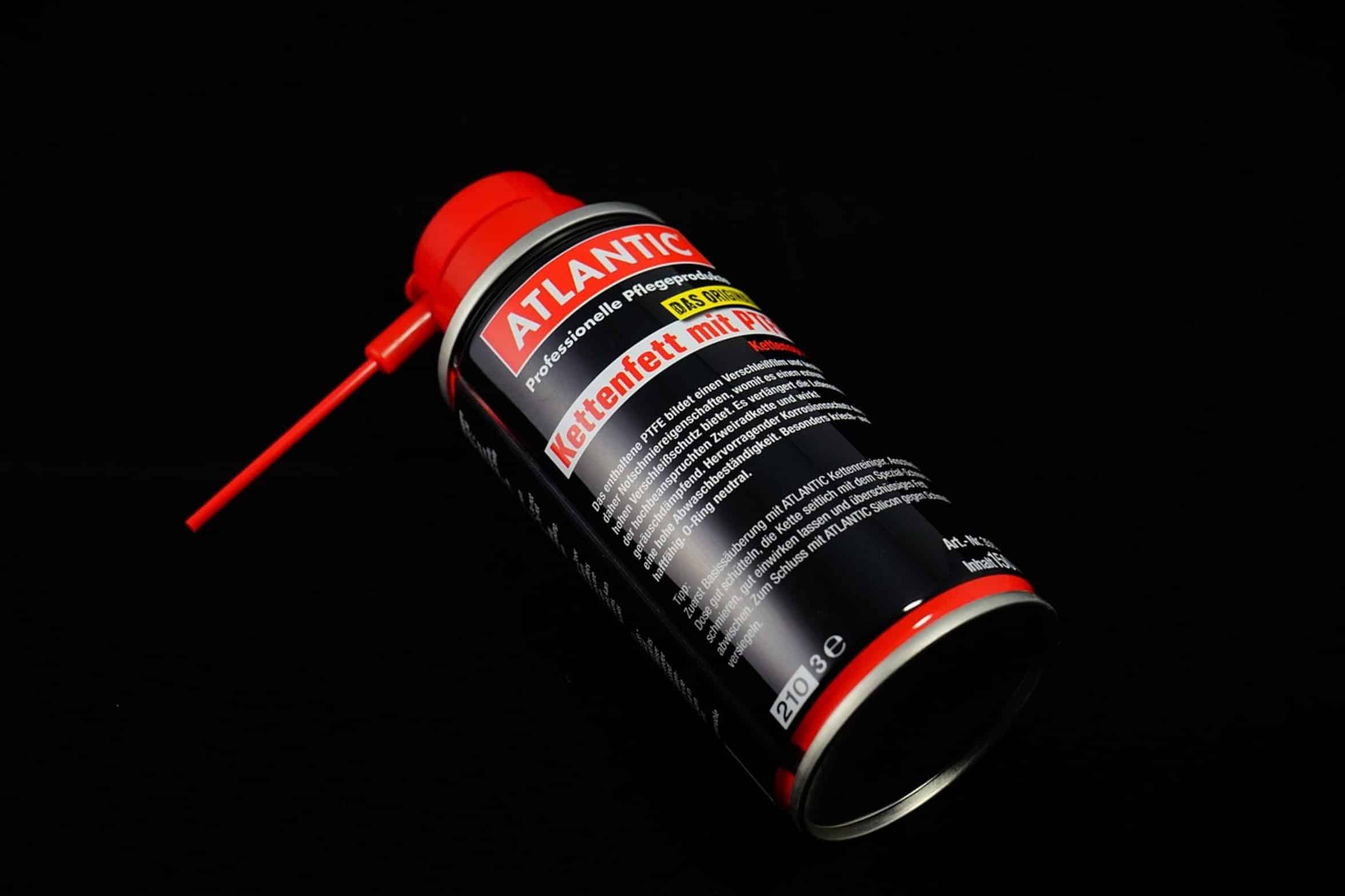
That’s frequenty misguided. Regular three-in-one oil collect dirt and grime. When it mix with those particles, you have an abrasive mess that’ll grind away at your bits.
Instead, opt for a dry lubricant or one of the corrosion inhibitors such as Boeshield T-9. Either product form a thin film on metal surfaces so moisture cannot collect. The film doesn’t hold onto any gunk. Your bit are coated enough to protect them from elements while remaining clean enough to cut through.
Proper Drill Bit Storage Methods
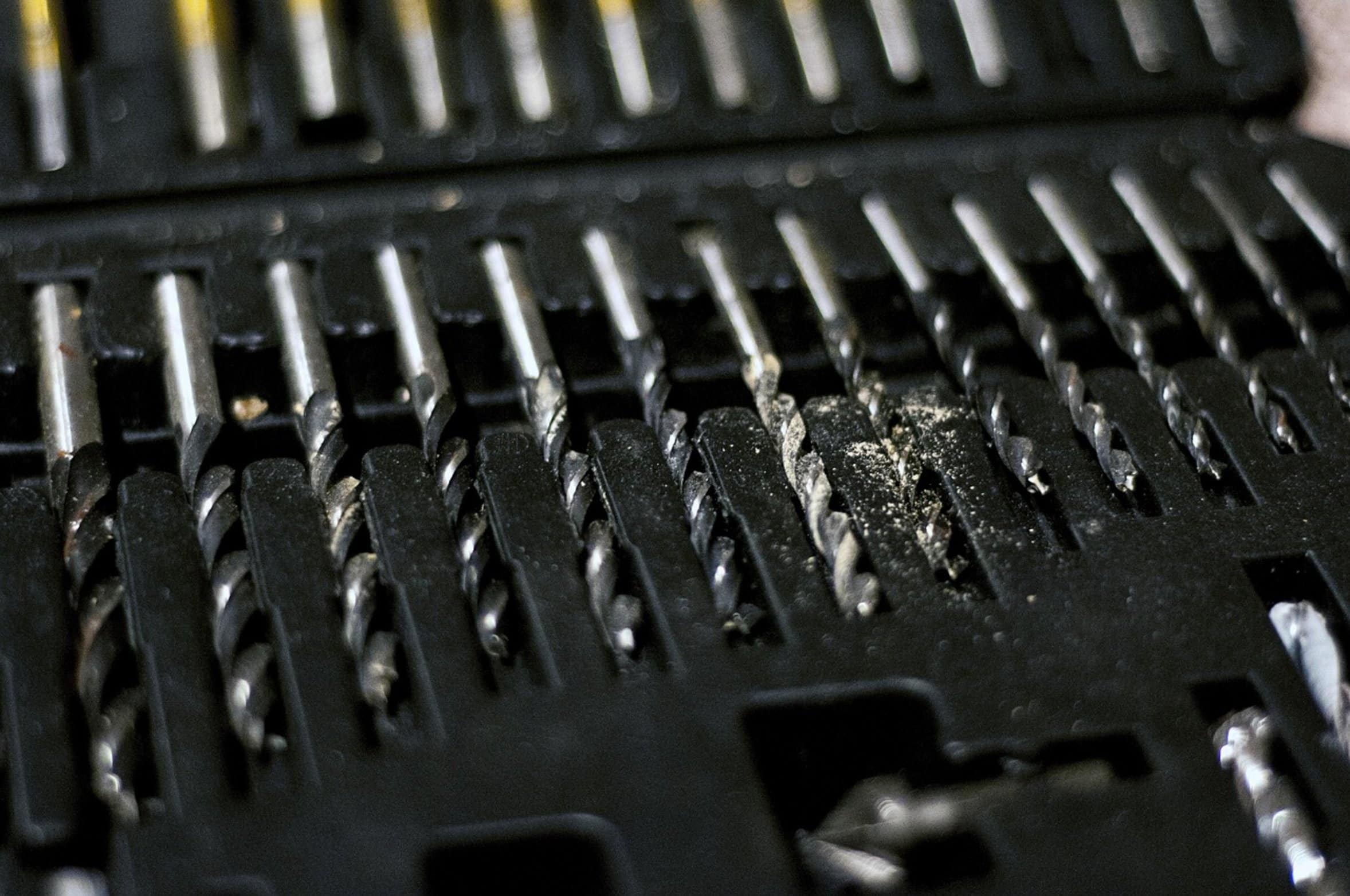
How do you store your bits? Bits stored in an open plastic tray will oxidize. Investing in a hard case with individual slots is worth the extra cost.
One that have individual slots is good. It keeps the bits from touching each other and protects them from moisture. Moisture + air = rust.
A nicked bit edge begins to rust quicker as well. The coating are damaged, so you must protect the steel there. Protect the coating and you’ll protect the steel.
Cleaning Bits After Use
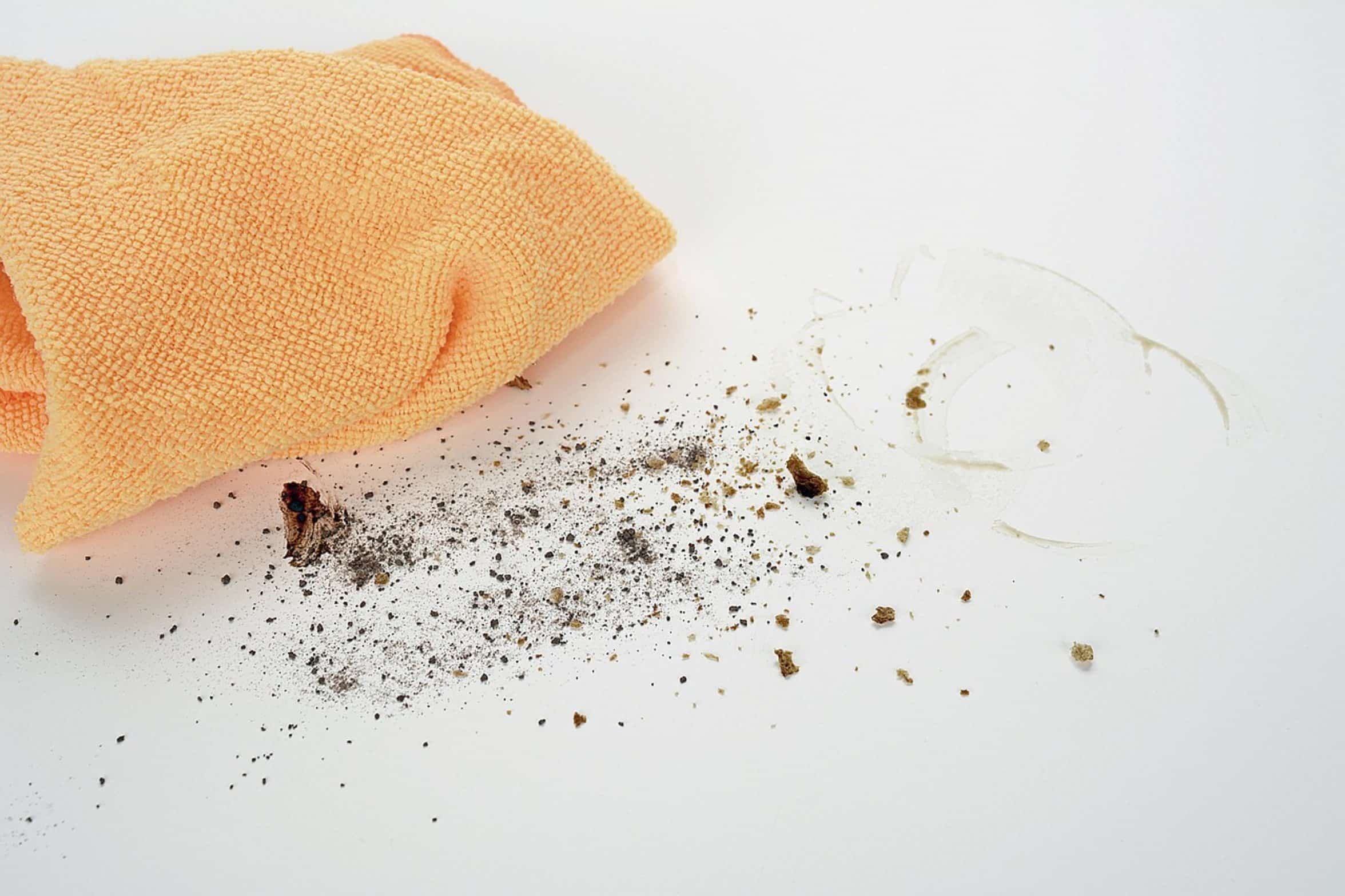
Clean bits as soon as done. Wood dust contains tannins and oils that can speed up corrosion. Moist metal shavings clings to the bit body.
Residues is like marinating your tools in a rust booster. Wipe down the steel with a rag and spray with WD-40 to remove contaminants and put on a new barrier. Don’t skimp here just because you’re using the bit again tomorrow.
Selecting Durable Bit Materials
What is it made from? Rust happens faster in higher speed steel bits than those coated in titanium or cobalt. If you’re working on masonry or stainless steel, step up to cobalt.
It is more expensive but better at resisting corrosion and heat. For regular wood working, a titanium nitride coating prevent rust. Choosing the right material make it easier to preserve.
Removing Early Stage Rust

Check your stash: Rust can be removed if caught early with a rust eraser or very fine steel wool. If not, the pitting will occur which is irreparable and weakens the tool’s structure. Pitting cannot of undone by oil.
It only take five minutes a month to catch any rusty spots quickly, which pays off big when you don’t have to replace costly tools in the future. It’s really no science; it’s all habit. Store, clean between uses, use a proper lubricant, and control moisture levels to keep those drill bits shining bright.
Tools are an investment in your craft. Take care of them and they’ll take care of you. And that orange ain’t getting on your drill bits… It’s staying put on that shelf.