It’s irritating when your power tool give up on you in mid-task. So there you are, cleaning the driveway. You’ve got soap all over the siding and then the lights go out.
Your breaker trips and your Greenworks machine just shuts off. Silence greets you and you stand there with a dirty house. You feel like you did something wrong and most of the time it’s realy got nothing to do with you at all.
It’s got everything to do with your home electricity and how it connect to your tool. Most folks don’t get it. An electric pressure washer are a powerful appliance.
It pulls far more current then an average space heater or even a standard vacuum cleaner, and that’s right up against the max capacity of most household circuit. Tripping a breaker doesn’t mean you have a bad plug or a busted out motor. More times than not it means you’re asking too much of a circuit that simply isn’t wired for that kind of load.
Why Your Pressure Washer Keeps Tripping Breakers
Understanding Circuit Breakers and Amperage
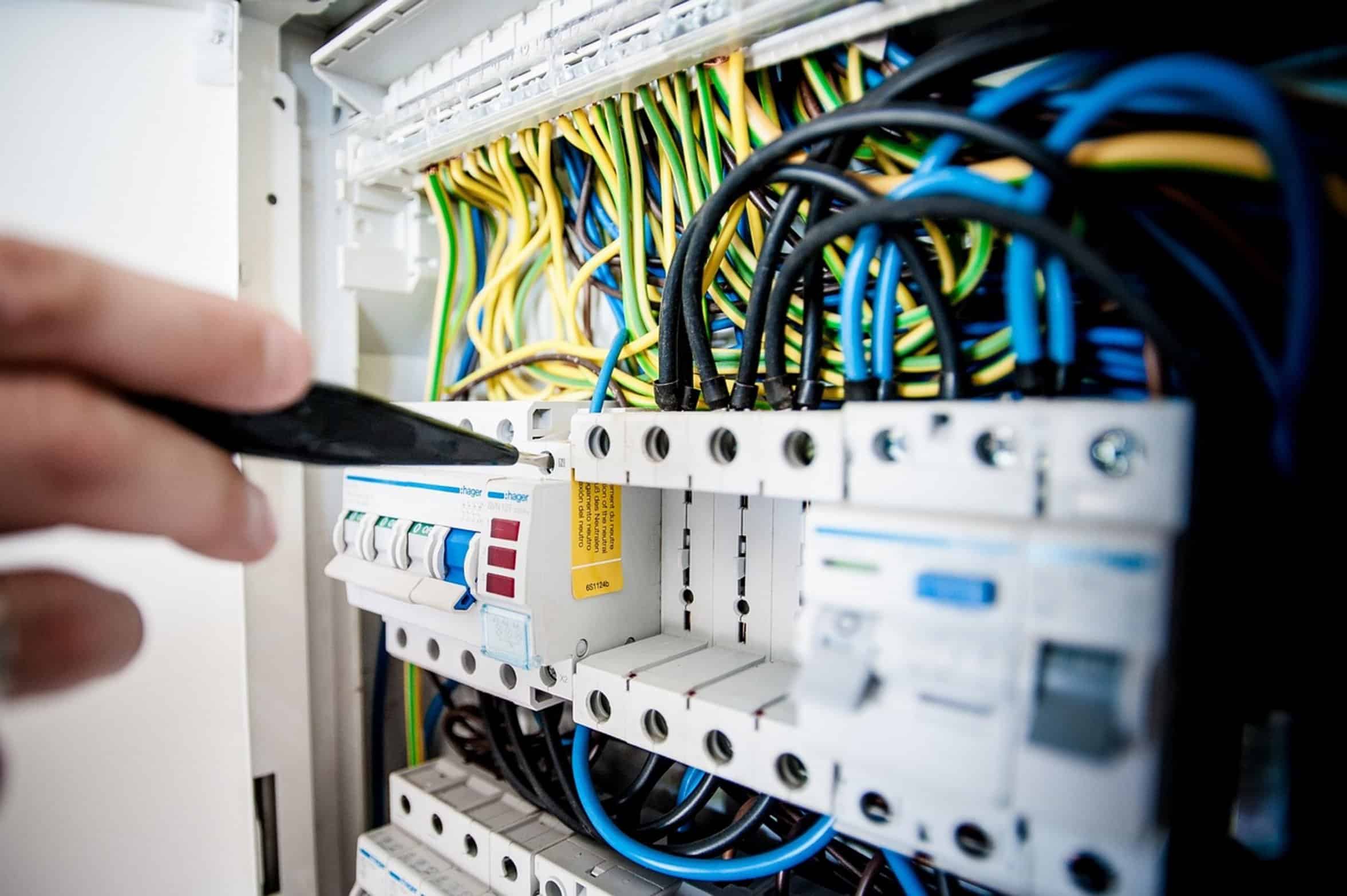
The only way to prevent unnecessary repairs is to understand what cause them. Start with your circuit breaker panel. Standard outlets is 15 amp or 20 amp.
Your normal Greenworks electric washer draw anywhere from 12 to 15 amps at full load. That means if you’re plugging anything else into that circuit, even something as minor as a window unit or fridge, you’ve probably exceeded what’s safe. To protect against too much current running through the wires in your walls, which can overheat and cause problems, the breaker trips.
Choosing the Right Extension Cord
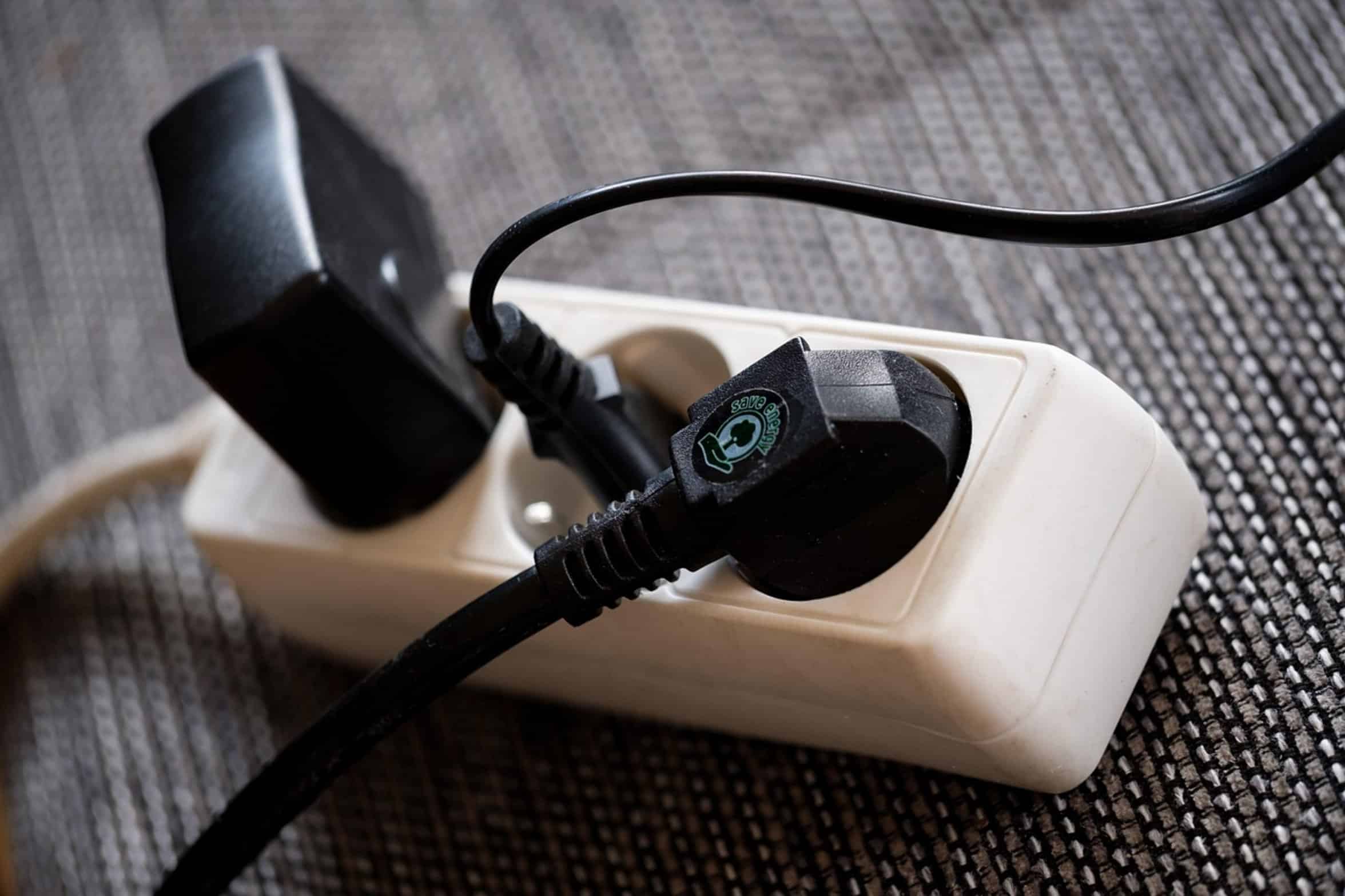
Either unplug the washer and relocate it (meaning plug it into an entirely separate outlet) or create a dedicated circuit just for it. Don’t screw it up with extension cords: You see folks doing this all the time, they need to get the pressure washer to reach the far corner of the patio so they take a long skinny cord out there. Wrong.
Your standard household cord is loaded with electricity resistance, that translates into voltage drop. And what happens when you got voltage drop? The motor has to work harder to pump up the same pressure, that takes more amperage, that extra draw push your circuit over the line and the breaker goes out.
Use the heaviest thickest cord you can get away with. A 12 gauge heavy duty cord will be light years better than some chintzy 18 gauge cord. The cord keeps the juice constant and avoids the overload.
Checking Outlets for Heat and Resistance
This is where the age of your home’s wiring come into play. If your house was built long ago, it might have older outlet that are not equipped to deal with higher currents very well. The breaker may be just fine but resistance from a loose connection at the outlet will generate heat.
Heat causes breakers to trip so they don’t fry. Check the outlet for heat after a short run. If it feels warm you has a connection issue.
This should of not been tackled on your own. This isn’t a DIY fix, and ignoring it is dangerous. Call in an electrician.
Troubleshooting GFCI Outlets
The other issue is the GFCI outlet. The outside outlets need to be a ground fault interrupter (GFCI) but sometimes this type of plug can be too touchy. It will trip out before your main breaker.
Why? It trips because it is plugged into an appliance that has a small leak inside or because the cord is damaged. It doesn’t mean the plug isn’t working, just that something on the other end might not be.
To reset, push the test button on the GFCI. If it instantly trips as soon as you plug the washer back in, you either have a bad cord or maybe a ground fault in the washer itself. Check the cord for any pinching or frayed areas.
Adjusting Pressure Settings to Save Power
A damaged wire can arc inside and cause safety to turn off. Water pressure settings matter more then you might think. When you run the washer on full water pressure, it draws maximum current from the wall while also spinning at max speed (which is harder on the motor).
Industrial strength isn’t necessary if you’re only rinsing a car. Turn down the pressure to lower the electrical load a lot. This will keep the amperage under control and off of your wires in your home, which is good since less power = less stress on your system.
Adjust the nozzle to a wider spray pattern. This decreases the strain on the pump and keeps the amp draw within safe limits for home wiring. Sounds counter-intuitive but you get the picture.
Conclusion: Listening to Your Breaker
They’re trying to help. They’re not there as enemies; they’re there as a warning signal. This isn’t a punishment, it’s a warning system.
Keep the siding clean and the water running: Listen to that breaker! Use the right cords. Adjust your settings.
Tripping the breaker is a call for action, not a reason to stop. Keep the washer going. Let it do its job.
It just wants you to get the power flowing correctly. If you do, it’ll take care of the rest.