When you’re outfitting your workshop on a shoestring, you keep hearing about this little gem: the Ryobi RTS20 table saw. It’s kind of in that weird space between cheap job site saw and the good-but-much-more-expensive contractor table saw. So it always makes for an interesting purchase; if I buy this thing, how much am I giving up?
How much more can I get for my money? Most folks figure “saving money” on a table saw equates to being forced to deal with some clunky piece of junk that drives them crazy every day. They aren’t entirely wrong, but if you know what this tool is meant to do, you might be surprised by what it can do.
There are no hidden tricks here; it’s not a luxurios cabinet saw wrapped up in budget package. Instead, it is a capable entry-level machine designed to perform well despite its lightweight frame and motor. The trick with this saw (and its verdict) is to see past the glossy images and learn how the machine work when used in actual cutting situations.
Complete Review Of The Ryobi RTS20 Table Saw
Understanding the Ryobi RTS20 Table Saw
This isn’t a “shop class” saw, and if you go into it thinking it is, you’ll be disappointed. However, if you’re looking for solid work horse cabinet or framing saw without breaking the bank, it may just be the ticket. Most importantly, it is light.
Weight and Portability Trade-offs
Well, not so much “light” as “not as heavy.” At about seventy pounds, it’s something that can be handled by one man in shop or the garage. But that means it moves easily when needed, tilt it to clean out sawdust, wheel it over to fit a huge sheet of plywood, whatever, and that’s actualy a real benefit, not merely some marketing hype. On the other hand, making a table saw lightweight has its downsides.
A heavy table will absorb vibration, but a light one won’t stop those vibrations from spreading. Aggressive cuts feels a little twitchy on the RTS20, and that does make it harder to rip through thick pieces of lumber with confidence. Now, I’m talking about ripping, which is where the RTS20 really begins to show its colors.
Motor Power and Cutting Performance
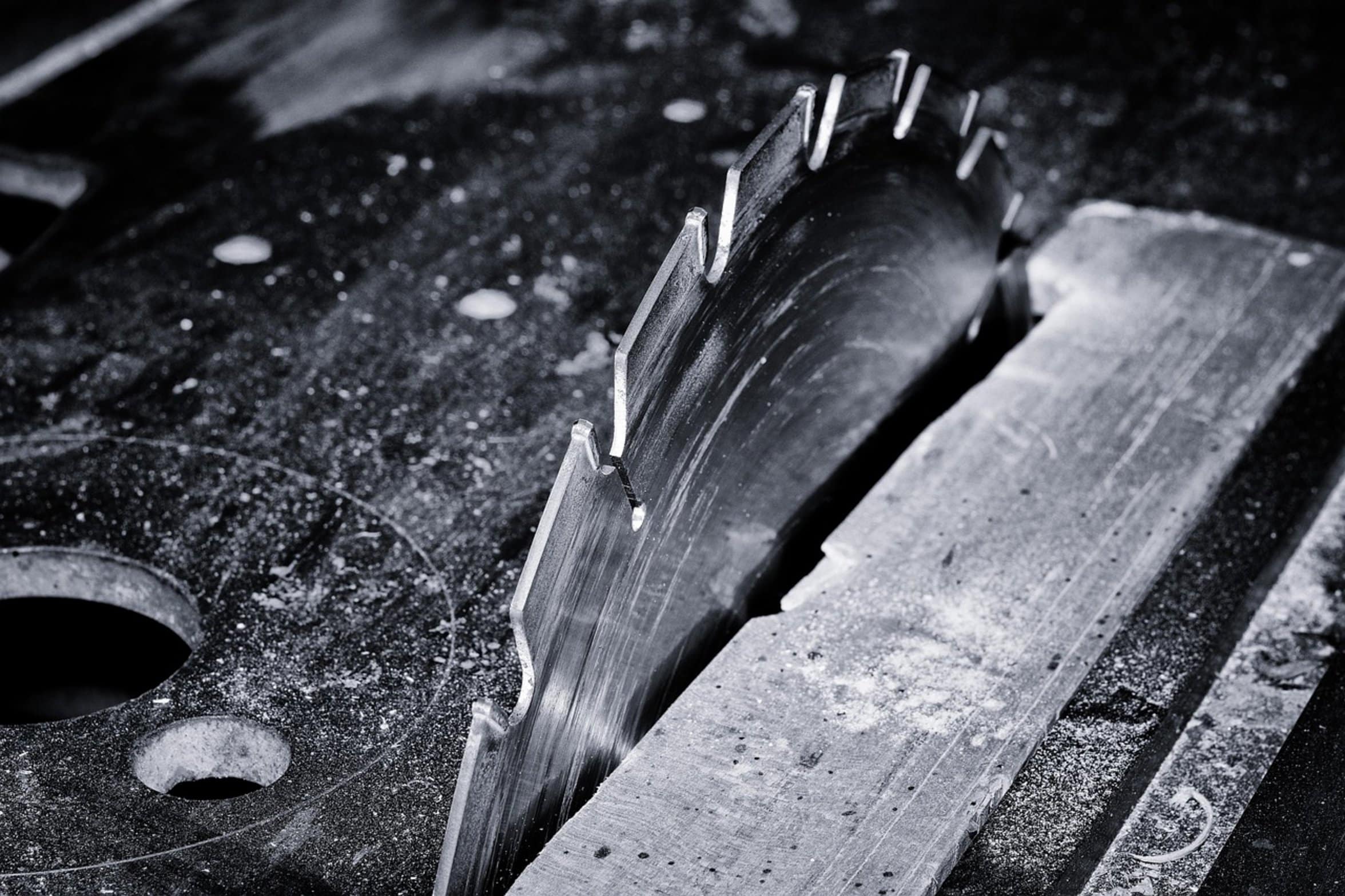
Unlike some heavier contractor models that is powered by an induction motor, this one’s built around a universal motor like you’d see on a circular saw. What does that mean? It spins at high speeds but has no low-end torque.
Plywood sheets and even standard two-by-fours is no trouble for it. Push it into thick hardwoods, though, or ask it to make deep rip cuts, and the motor will scream down in RPM, with a matching drop-off in cut quality. Feed the stock more slowly, yes; that helps.
But then you’re not doing a quick cut, you’re being patient, and that changes how you cut. It still works. One annoying thing that adds up is dust control.
Dust Collection Challenges
On paper, it seems like they would do okay since they provide a stock 4″ port for shop vac hose or something. In reality, the shroud is designed so that most of the fine dust thrown off by the blade never actualy makes it inside. So unless you use a quality dust bag or have a shop vac nearby, you’ll find yourself living in a snow globe before long with just one afternoon of cutting.
The bigger chips are blown out fine and all. But the finer stuff that’s really the worst just coats everything. And if you’re sensitive to dust at all, this kind of thing is just a small bummer.
Fence Accuracy and Laser Guide
Still, for the price you pay, I think they do a pretty darned good job. The blade sits up on some trunnions that aren’t huge but are plenty solid to secure the blade in place for almost all jobs around house. The fence adjusts easily and locks into place nicely when you turn the handles tight.
No, it’s not as exact as a $2000 fence from Germany, but it will get you there again and again. If you’re looking to build a deck, book shelves or do any sort of home renovations, this is more than accurate enough. And the laser guide?
It is good and useful, but remember that you still need to check things against a square. It’s just a nice tool to help you visualize things, not a substitute for good form. To conclude.
Final Verdict for Beginners
The Ryobi RTS20 strikes me as being a bridge between beginner tools and serious machinery. It’s something that will reward those who respect the limits of the machine and who are willing to read manual. This isn’t one of those machines that demands perfection.
But it also isn’t lacking in capability for serious projects. For someone who is just starting out with their woodworking journey, this is a forgiving way into it. You can learn the basics without having to invest a lot in it.
As long as you’re comfortable with some trade offs associated with its budget friendly and lightweight design, you’ll recieve more machine than you might have expected. It is indeed a solid step up from the bare minimum. And it’s capable of handling the stuff that really matters.