The last step that separates a good part from a professional part is Burr removal. Those nasty sharp edges left behind by drilling, turning, or milling look unprofessional and they also compromise the fit. Those sharp edge reduce fatigue life and can cut right through your skin.
Until recently, there was no good way to get rid of them except for manual processes. Methods like sandpaper or handheld stone wheels required skill to avoid taking away too much material. The promise of these automated deburring tools is that you don’t have to guess about the process anymore and get consistant results.
Complete Guide To The Uniburr Deburring Tool
The Problem with Manual Burr Removal
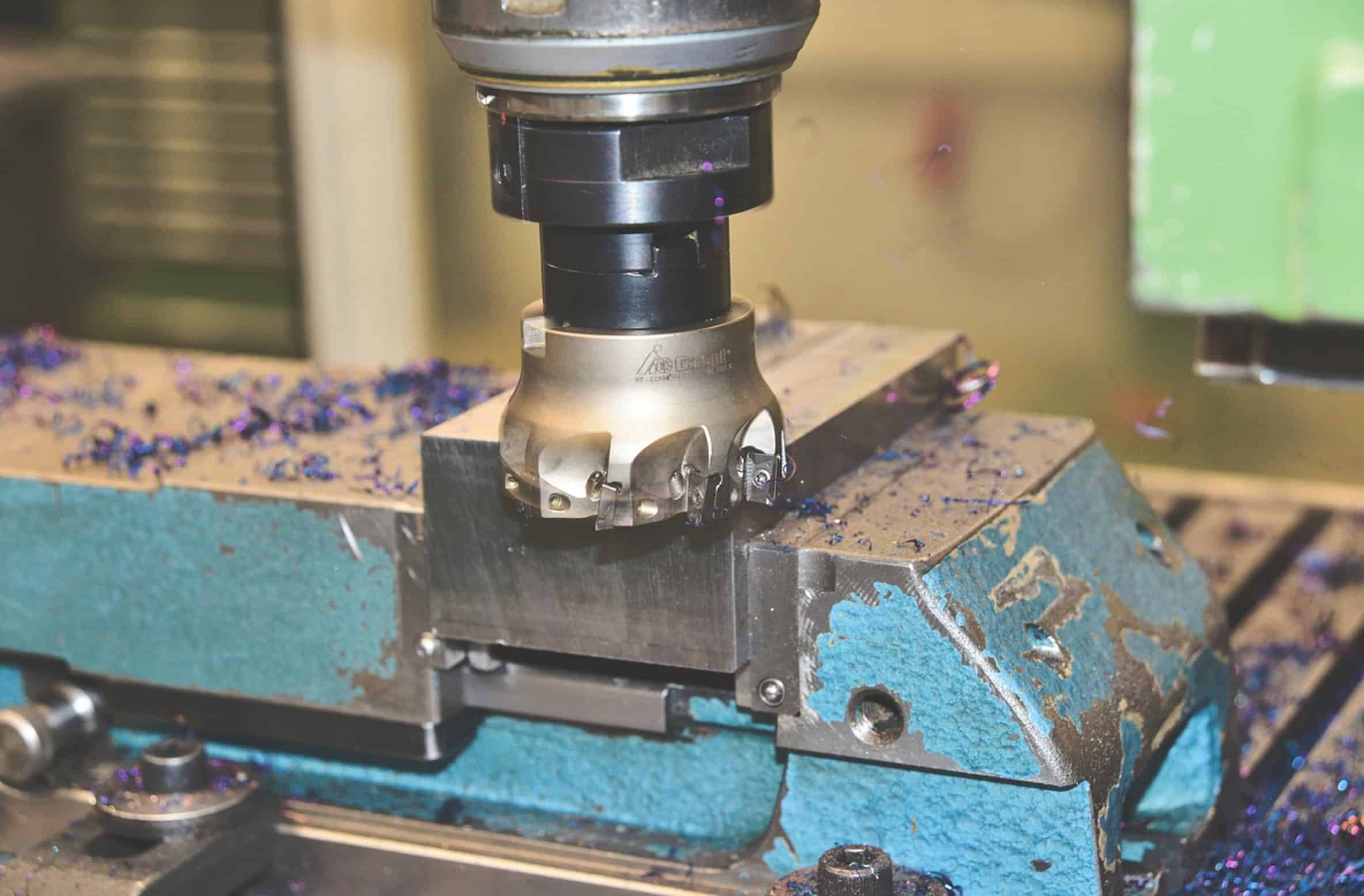
It does this without risk of rounding out any important radius. One tool that’s just come into this space is called the Uniburr tool. It has made the big claim of being able to get high speed while taking away little material.
This is a pretty bold statement in an industry where we measure in microns. It sounds easy, but there’s some serious engineering going on in those cutting heads that enables this tool. What you see is what you get, but the tool doesn’t require an expert to apply just the right amount of pressure.
A clean cut every time come from the tool, not your hand. That means less labor and more deburred parts on a big run. Most importantly, this creates a repeatable process out of what was once a variable one.
How Uniburr Tools Work
This all comes down to the geometry of the cutter and how quickly it rotates. High speed rotation and specialized cutting geometry are core technology. So what does that mean?
Well, these cutters is made from Tungsten Carbide, which is rotated at a high RPM. While they’re doing this, their shape are designed to deflect off the main surface of the part and slice through the burr. That’s where the “deflect” comes in, you don’t want the tool digging into your workpiece.
So you can take this tool and run it along a machined surface with no fear of changing its dimension. The cutters are flexible and small enough to get around complex shapes, including threaded hole and inside corners. This allow them to reach areas that would be hard to reach with traditional abrasives.
Speed and Consistency Benefits
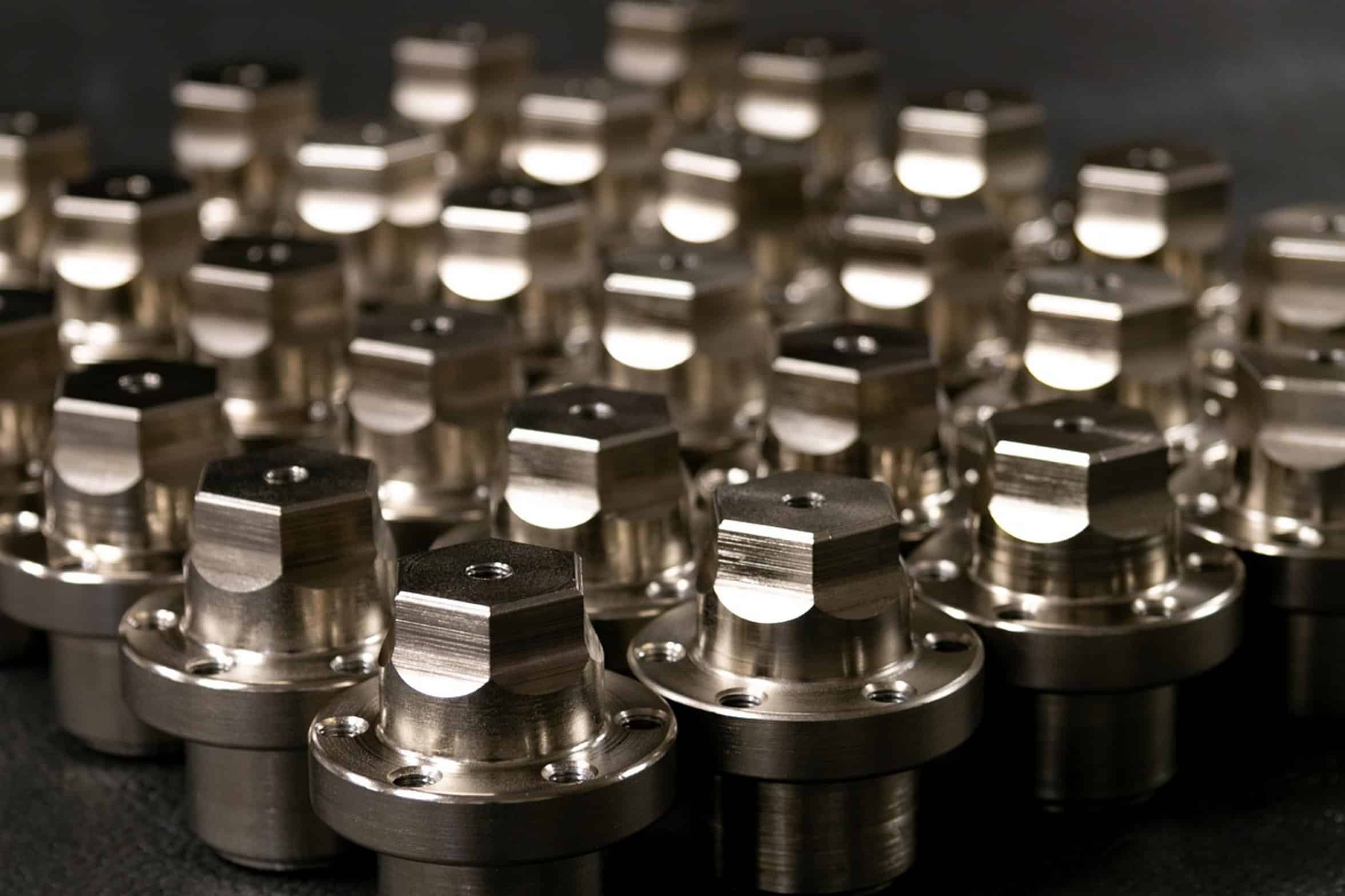
Where this really excels is speed. Hand de-burring time depend on how complex the part is, but it generally takes a few minutes per part. With the Uniburr, it’s much faster.
It will remove burrs from several edges in just seconds. For a manufacturing environment where output is critical, this is an appealing feature. If your operation are handling hundreds of parts daily, those savings accumulate rapidly.
The value proposition here is consistency, since human fatigue causes variations that lead to errors. Not all materials are compatible, but its wide range include most common materials. Aluminum, steel, brass, and many plastics respond well.
Material Compatibility and Limitations
Very hard materials such as ceramics or hardened tool steel are not recommended due to limitations of the tungsten carbide cutters. Use a cutter that matches the material’s hardness. If you use it on something too hard, the cutters will becomes blunt quickly.
Not only that, but damage can also occur to the surface of the part itself. Guidelines from the manufacturer on appropriate materials will make sure your tool lasts. And the quality of the finish.
Versatility in Tight Spaces
The wide range of part shapes also shows its versatility. Where traditional burr brushes has difficulty reaching into tight internal corners, the Uniburr heads is made specifically to do this. The tool can reach into deeper hole and narrow slots due to its small-diameter cutting heads.
This works for automotive parts and other aerospace components. Because the tool doesn’t alter the part shape while removing the burr, it’s an advantage to industries that must maintain strict tolerances. Assembly parts that require a perfect fit find the tool critical.
Maintenance and Consumable Heads
The cutting heads are a consumable item that needs changing. You have to keep up with replacing the heads. But it’s easy to change out and you don’t need any special tools.
The heads last awhile but checking periodically for sharpness will let you know when it’s time. If the heads get dull, they won’t cut as well which makes removing burrs difficult. They’ll just catch and be dragged across the head.
Which can cause heat and scratches in the paint. Having new heads on standby eliminates down time. It also keeps your finish smooth and consistantly.
Ease of Use and Operator Training
It’s simple: You don’t have to be trained a lot to operate the tool; the learning curve is shallow. All that’s needed is basic knowledge of your part geometry and how burrs form. Because you’re guiding it around the edges, it’s intuitive.
Less experienced operators will yield professional results with the tool. It means you don’t have to rely on highly skilled technicians to handle the finishing tasks. That’s a big plus in terms of making precision finishing available to everyone.
Uniburr is the new way to think about edge finishing. It is fast, accurate and easy to use. Whether in a workshop or a production environment, the advantages are obvious.
It eliminates variable results caused by manual burr removal. It ensures even consistency on each finished part. Consistency is the difference between amateur and professional.
There are no more sharp edges. The parts are just ready to go.