
A DeWalt belt sander will gets rid of paint and smooth out rough wood in no time. But what happens when the tool starts acting up? A busted tool is bad news, but a busted tool that cost money is even worse.
That’s even worse. Luckily there are ways to catch those issue before they cost you. Here’s how to avoid wasting your time and protect your workpiece.
Common DeWalt Belt Sander Problems To Fix
Fixing Belt Tracking Issues
The common misconception is that if something go wrong it’s always the motor, but more often than not it’s a worn belt or a tension spring on this one. Both are easy fix, and you’ll be back to sanding sooner then later. The most frequent complaint involve the belt not tracking correctly; it gets all wonky and start burning up the sandpaper on one side or the other.
That’s almost never a motor thing; that’s almost always a tune-up deal. On the back roller there is what they call the tracking wheel. Turn that and it will guide the belt back into middle.
If it doesn’t stay there, then clean out idler roller. There may be some trash there. Then just give little adjustment screw on that a quarter turn.
Usually solve that pretty quick. But take your time. Don’t adjust it too far or you’ll tear the belt.
Replacing a Broken Tension Spring
The tension mechanism can fails. When that occurs, the spring loses its elasticity and cause the belt to slip. When that occurs, the spring lose its elasticity and causes the belt to slip.
When your belt slips, it’s like the motor screams but surface remains unchanged. Time for a replacement. If the belt doesn’t stay tight even after you tighten it, the spring is broken.
Shimming with a thicker belt is a temporary fix, just masking the issue. A thick belt can actualy cause damage to drum bearings too. Replace the spring.
Addressing Drum Vibration and Wobble
The drum are out of balance or the drum bushing is worn, this one almost always vibrate strongly. The danger here is that a vibrating sander can wreck the wood grain. Staples and nails in the drum will make the drum wobble and ruin belt, so inspect the drum for such things.
Once the drum is clean, it’s probably time to replace the bearings inside the drum. They get trashed by friction and heat. Changing the belt won’t help if there’s still vibration.
Time to get some parts or take it to someone who do this for a living. Trying to work through the vibration will ruin the finish. You’re putting too much pressure on it: Too much pressure will burn the wood.
Preventing Wood Burning and Glazing
Believe it or not, slowing the belt down actualy burns it into the wood. This happen because of the heat created by friction of sanding. Just let it go; don’t press hard, that’s not how the sander works.
It doesn’t work by weight, but rather by abrasion and momentum. A glazed belt can cause burning, and using a grit that is too coarse can also cause it. Try a new belt or switch to a finer grit and you’ll be all good.
Maintaining the Dust Port
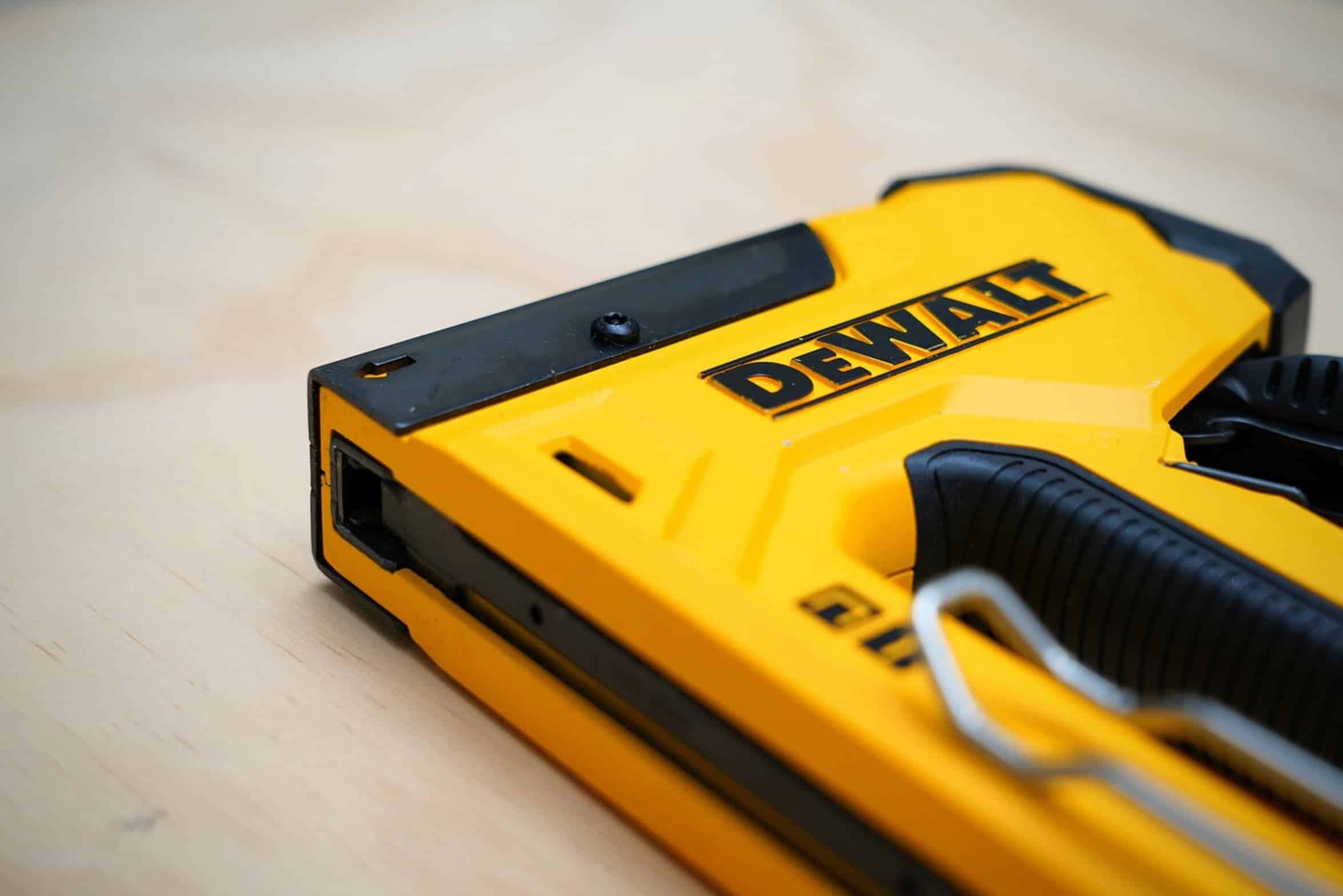
Make sure to look at the dust port too as it will causes the motor to overheat if it’s plugged. If the port is blocked then you’ll lose your suction and the sander will slow down and shut off. This small maintenance step will greatly affect how well it work.
Fix these problems and then the sander is back in business. It operate better and does what it was designed for, giving you control of the wood. Keeping your rollers clean and belt sharp make a big difference.
The machine will run smoothly and you will be able to complete your project comfortabley too.