If you’re a do-it-yourselfer or simply looking for a solid miter saw that doesn’t cost an arm and a leg, you know how difficult one can be to find. You need the power to eat through some framing lumber with authority while also being able to make precise cuts for trim work. Shoppers seeking a bang-for-the-buck option often has the Chicago Electric 12-inch miter saw pop into their field of vision.
But will it perform well enough to earn its keep in your workshop? So where does this tool fit in the marketplace? It is heavy duty enough for serious projects yet priced to compete with entry-level brands.
That’s a good thing, because you’ll want to get beyond the spec sheet before you part with your hard-earned money. How does this machine behave while cutting? Let’s cut through the fluff.
We will look at durability issues, adjustability, and overall cutting power for these budget-friendly power tools.
Detailed Review of Chicago Electric Miter Saw
Size and Capacity Overview
But the first thing you’ll notice when picking up this saw is how large it is. Most home garages have those little 10-inch blade; not the big, beefy 12-incher like this guy.
You’re going to be able to make deeper cuts. This means you can cut several boards at once or larger pieces of lumber without having to flip them over. If you’re doing some serious work (think: building large furnitures items or framing a deck) then that added capacity really makes a difference.
The downside? It’s heavy as hell and takes up a lot more space different than its smaller counterparts. It’s heavy as hell and takes up a lot more space than your smaller cousins.
Setup and Adjustment Limitations
Setting up the saw requires a bit of patience. Once installed, the fence hold well for everyday work. However, it might require shimming at the base depending on your plans for fine finish work.
That’s typical of lower-budget tools but generally quite simple to remedy with a trip to the hardware store. Likewise, while the miter gauge seems quite sturdy, the detents is a bit mushy. For critical cuts, I’d recommend checking your angles against a protractor.
Cutting Performance and Power
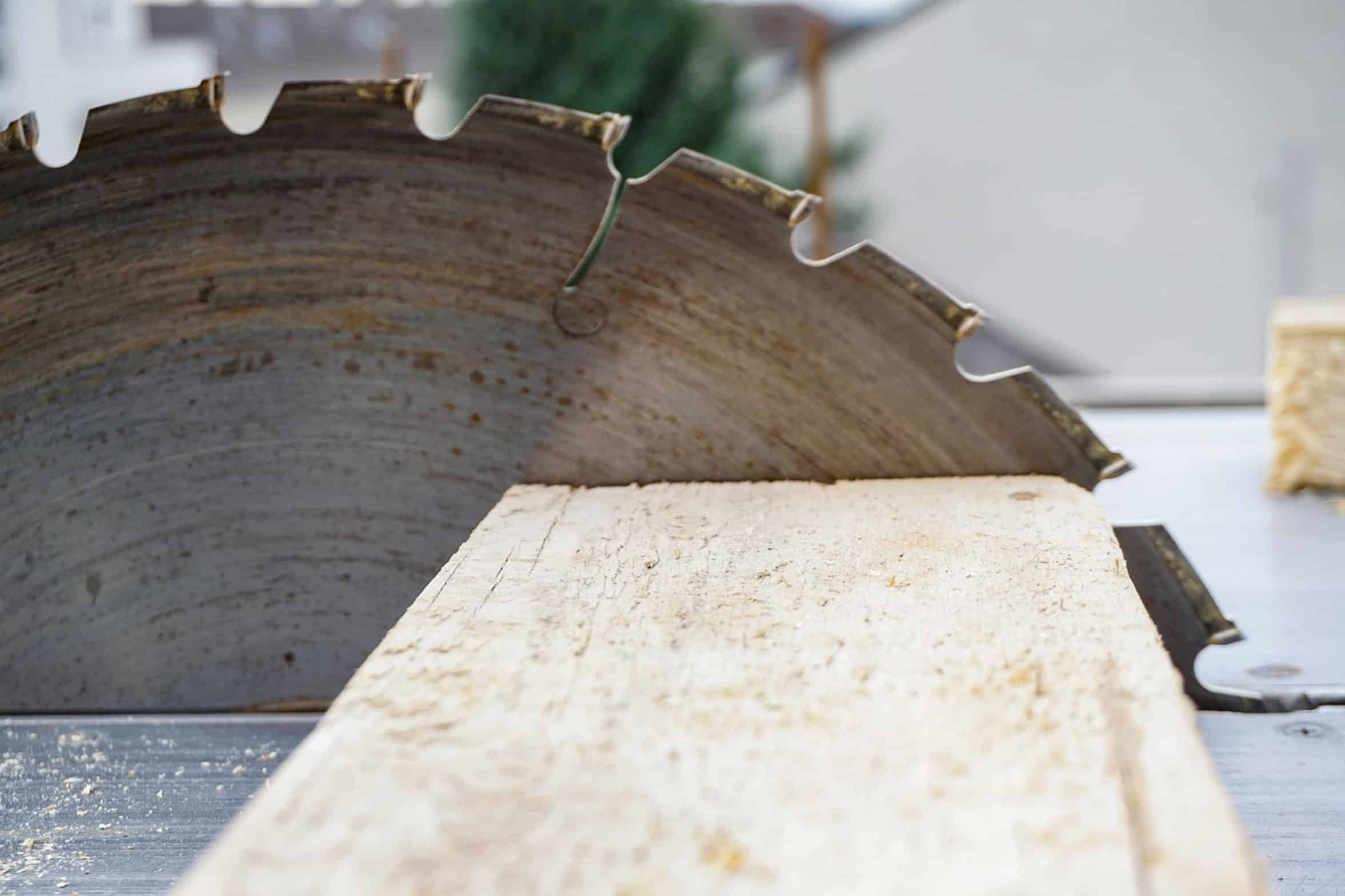
Where this saw makes its money is cutting performance. It has plenty of torque for almost any wood species. However, forcing it through some dense hardwoods slows down the motor a bit.
You really don’t want to push the material but let the blade do the work. On softwood species such as cedar or pine the cut are fast and clean. The dust collection port works okay, but don’t expect it to catch every particle.
Attaching a shop vac is good for a cleaner work space.
Durability and Build Quality
In terms of durability, that’s really all you can ask of a Chicago Electric tool. While the plastic parts work fine, they’re not as tough as those found on more expensive tools such as Makita or DeWalt.
With that said, you’ll have to baby this saw. Don’t drop it, throw it around too much or expose it to the hardships of a job site. It’s a home owner/light commercial type of tool, not something made to withstand constant abuse at a construction site.
The clamp for the blade seems sturdy enough, so I think that is a good sign. But generally speaking, I would say this isn’t a tool built for abuse.
Safety Features and Ergonomics
The safety features are solid. It has all the standard safety features, which work. The blade guard move easily and the electric brake slows the blade down immediately when you let off the trigger. That’s a critical feature on any power tool, and it performs well on this one.
The handle is shaped to fit your hand, giving you a solid grip on the saw and helping you manage it as you cut for extended periods. Lastly, always remember that even with safety features, nothing can replace focusing and using proper technique. Ultimately, it comes down to the same thing with all tools…
Final Verdict and Value Assessment
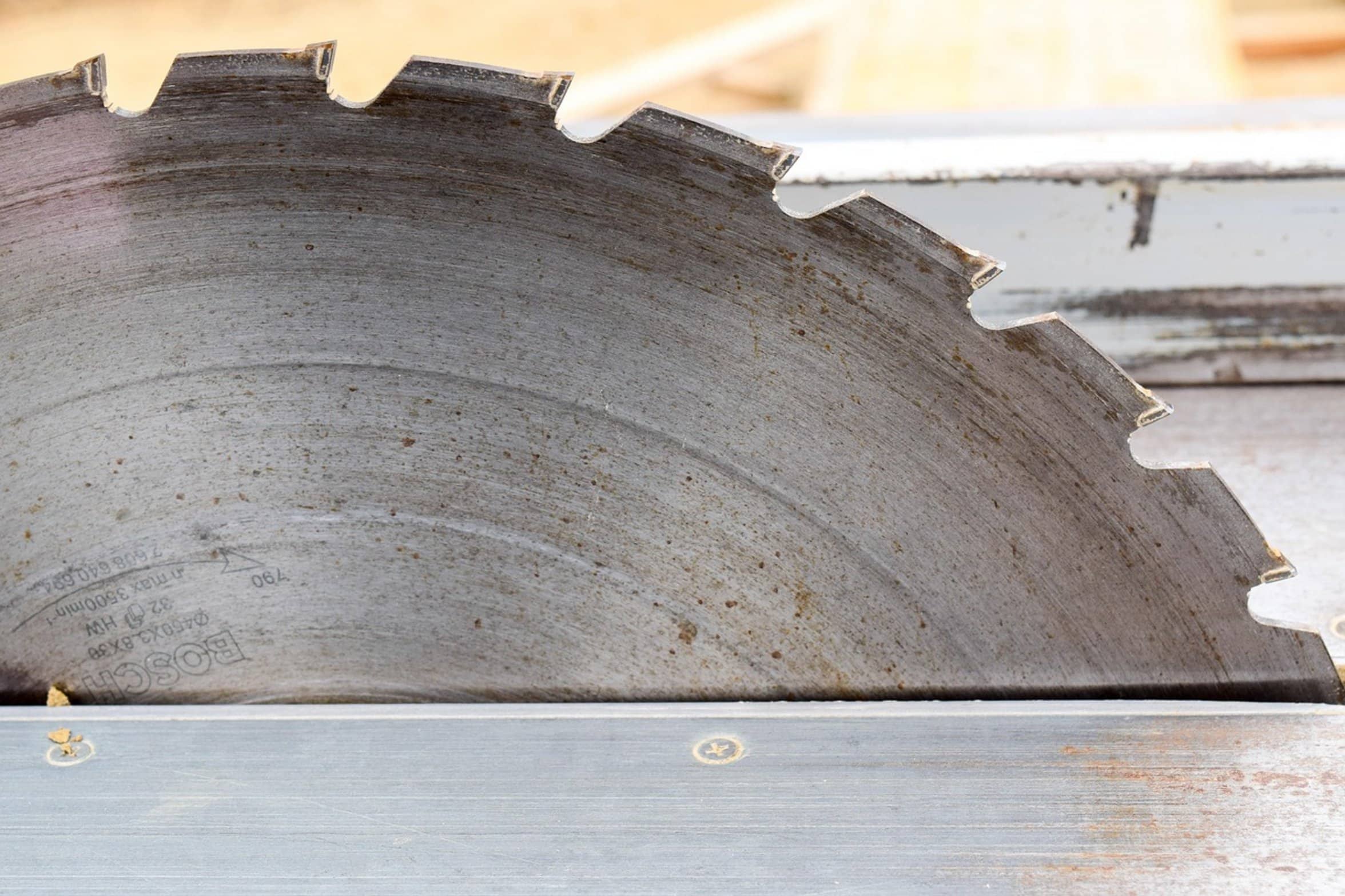
Price versus performance. For someone who wants something that does the basics well but doesn’t do anything too fancy at an affordable price, the Chicago Electric 12 inch Saw is appealing. At the end of the day, it will rip through some wood, take care of most trim jobs as well as make big cuts here and there when needed.
But if you’re counting on it for high volume production work as a pro, then its lack of accuracy and durability may slow your workflow. Ultimately, it depends on what you want out of the machine and how you intend to use it. If you’re a weekend warrior taking on some home improvement work around the house, this saw has plenty of capability.
Keep in mind to take care of it and double-check your angles. Within its limitations, it can be a solid sidekick to whatever woodworking you do.