You hear a high pitched whine and feel it vibrating slightly. That’s the sound of circular saw fighting. It’s because it’s cutting to low to the material.
Now the blade is getting caught in work surface while dragging across nothing but air. This means extra friction and risk of injury. Newbies mistake this for a problem with motor or dull blade.
How To Set Cut Depth On Ryobi Saw
Signs of Incorrect Blade Depth
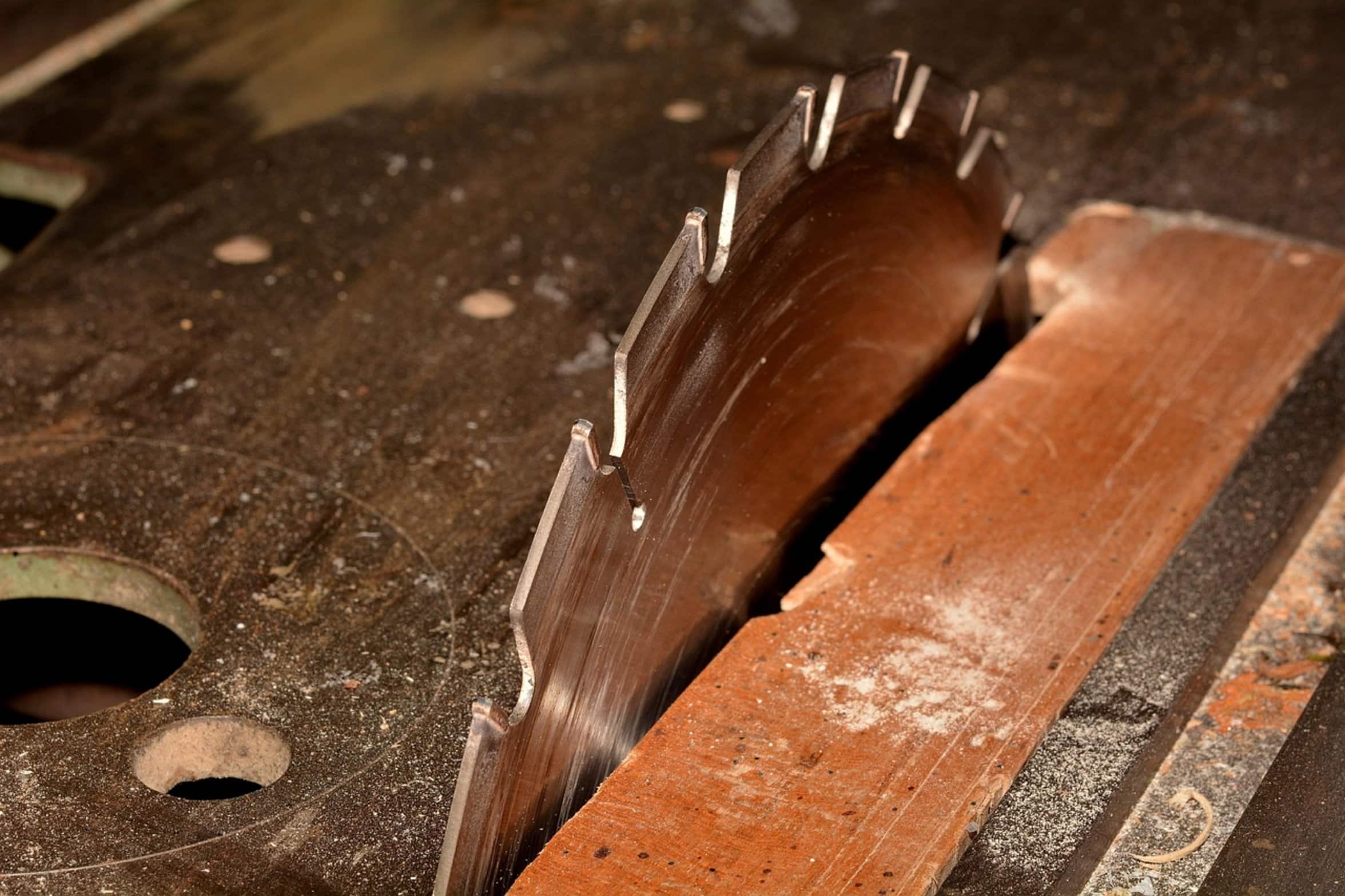
But more often than not, the culprit are the cut depth setting. Tuning up your Ryobi circular saw mean cutting more cleanly, safely and accurately by adjusting correct depth setting. Not only that but adjusting the blade to maximum extension is easy way out for many people; next time you need to change the setting you’ll do it.
Risks of Poor Depth Settings
But then there’s the risk of kickback. And then there’s the ugly tearout on lumber. Adjusting the depth setting take care of this too, making the tool smoother and safer to operate.
How to Adjust Blade Depth
Most Ryobi models is simple and intuitive in their adjustment mechanism. Basically, you’re telling the saw what part of blade will touch the piece of wood. Generally speaking, you want the blade to stick out far enough that it’s slightly above surface of the wood, but not too far so that it can cleanly exit the other side.
It’s a good idea to have teeth hang down roughly a millimeter or two past bottom edge so they don’t catch on floor or your workbench as they come out. First, loosen whatever lever or knob adjusts depth. On most Ryobi battery-powered units, for example, you’ll find a big dial at the front of shoe.
Loosen it and turn it counterclockwise to make blade higher or clockwise to make the blade lower. Just remember to leave blade guard open during this process. You want to see where teeth are positioned in relation to base plate.
Position the blade so that it come in contact with surface of your test board. Now go just a little lower. That’s the sweet spot.
Accurate Depth Setting Methods
It’s hard to visually estimate anything. Your eyes plays tricks on you in perspective. What might appear to be flush from one angle could stick out like a sore thumb from another angle.
The best way I’ve found is to use a straight piece of scrap wood or a straight edge. Set the saw on it, then adjust how deep blade goes until you feel the blade teeth barely cross over top of scrap wood. That gives you some feel for it that are far more accurate different than trying to guess at it visually.
It eliminates human error. Several of the Ryobis has a scale printed on side of saw to show depth. It’s a good reference but typically off by quite a bit.
Each blade have its own angle and width (kerf). Using that number alone will cause you to go too deep. Before you make final cut, always check it out manually against your stock.
Your eyes and the actual physical test is more reliable than what is painted on piece of plastic.
Securing the Depth Lock
When you get your depth adjusted, cinch down on that thing good. Loose depth settings is hazardous.
When you shift the blade while cutting, you’ll end up with an unevenly wide kerf. This can causes the blade to bind within the cut, making kickbacks more likely. Take a good hard pull on the knob and make sure it’s not slipping.
Keeping the adjustment locked tight maintain the stability and steadiness of the blade during the cut.
Benefits of Proper Depth Adjustment
Knowing how deep to set your blade is what makes a craftsman from a casual user. This not only save on blades but also minimizes tear out while keeping the motor from laboring and running hot.
You should of checked it first. Think of it this way: the less of the blade that touches wood, the better. Before every change in thickness take the time to set it and make sure the blade just touch the wood it’s intended to cut through.
The extra thirty seconds will save you from ruined boards and potential injury. You’ll feel more confident about your cuts with each accurate stroke and your cut will be cleanerer.