Silence falls over garage when your Kobalt air compressor quits running. It is not a quiet peace. More of that I-just-shot-myself-in-the-foot-with-a-nail-gun type quiet.
The tank’s full. Motor’s hot. But there is no pressure.
You’d like to find a quick way out; a reset button. People often look for switch to turn everything back on. It is a simple fix.
There probably isn’t one. But they still look for it. Unfortunatly it’s not quite as easy as an on-off switch.
How To Reset Your Kobalt Air Compressor
Understanding Thermal Overload Protection
There is no reset button on most Kobalt compressors. Instead, they features what is called thermal overload protection. It’s a safety circuit designed to prevent motor from burning up.
Pushing the wrong thing or waiting too long can damages the machine. Knowing the system transforms your usage of it. Now rather than trying to force it, you work with it in its limitations.
The true reset is respect for those limitation. First, you must identify what’s protecting it. There will be a little red button located either on side or in the area where motor are.
Locating and Resetting the Switch
It appears to be power switch but instead it’s an overload switch. When your air compressor draws excessive amperage the switch will trip. Too much amperage is drawn because a compressor work harder and longer then it should.
To prevent windings from overheating the switch cuts off the power. It’s not a defect but rather feature that protects your investment. The secret is knowing when to hit the button.
It is never hit until motor has fully cooled. If housing feels warm don’t even think about touching that button. The thermal element within must have time to cool back down and make link again.
Hitting it hot nearly always results in immediate tripping. It will not start. Sometimes there is a very loud hum.
Humming indicate the start capacitor wants to be engaged but can’t do so. All you need is patience. Just let her sit there.
Why the Compressor Keeps Tripping
If it trips what do you do? Understand why it tripped so you don’t have same problem again. Most of the time it’s caused by overloading.
That means using too many tools requiring higher CFM then your tank can provide. For example, having a small tank and trying to use a high-demand impact wrench causes motor to run constantly. Constant running cause heat, so safety switch shuts down to protect the motor and wiring.
Adjust your work flow to give tank time to recover. Another important check is pressure switch. Not all issues is with the motor.
Checking Pressure Settings
Sometimes it’s a matter of regulation. Having your cut-off pressure set too high will cause compressor to run when it doesn’t need to. Longer run time means you’re pushing motor into danger zone.
Double check your regulator and make sure it’s dialed in properaly for your tool. If it is too low, your system is stressed by cycling on and off frequently. If it is too high, your pump has to work harder which also leads to stress.
It’s a balancing act. The intake filter also needs more attention than you might think. If it’s clogged, it impedes air flow into the pump.
Maintaining the Intake Filter
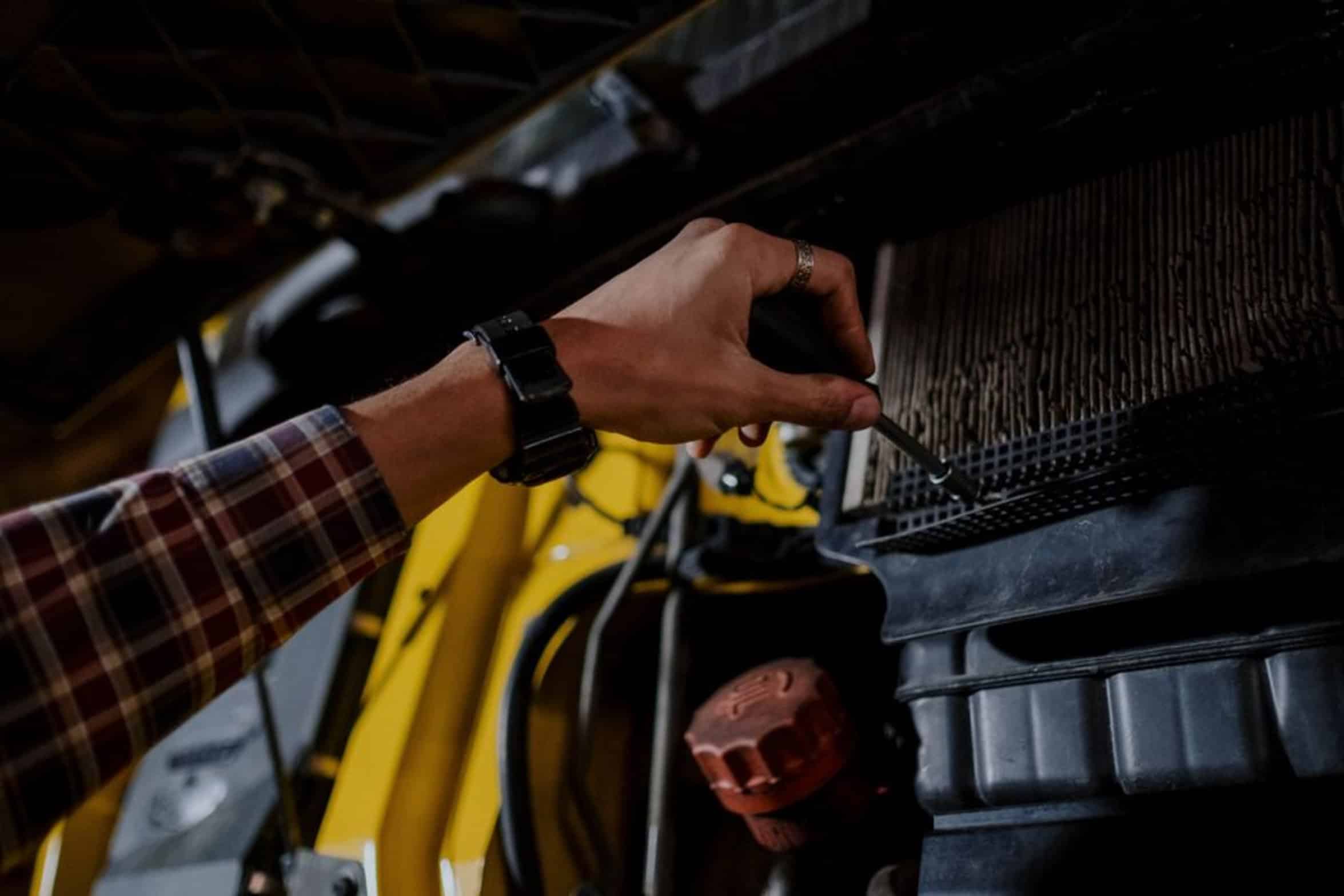
The motor then must worked harder against that resistance. As it works harder, it draw more current; that generates more heat and trip the switch. An easy clean-up job saves an hour of down time.
Keep intake clear to keep motor healthy. It’s a little bit of maintenance that pays off bigg. At its heart, however, the reset button is the teacher.
It will tell you when enough is enough and you need to take a time out. During that time-out, take stock of your expectations, filters, and settings. Then, after taking your time, it’s back to work with the compressor fired up and working as expected.
You would of had no more anxious moments from unexpected shutdowns, and garage will be a quiet space once more.