Lawncare weekend warriors knows a certain type of frustration: After installing a brand-new battery in your Craftsman this morning, the machine still won’t start. Did you waste your money? Is it the battery, or does engine just refuse to turn over?
Here’s the deal: Even though most owners believe that changing batteries is the cure-all solution to an ignition failure, the battery isn’t always at fault. Sure, a new battery delivers voltage, but not necessarily a full circuit. It doesn’t un-clog a blocked spark plug, nor does it cleans the fuel lines.
And since mowers are such systems. Each component dependent on another, you might find yourself wrongly blaming the components that seem innocent (i.e., by association). Dig beneath simple fix and get real about mechanics of it.
Why Your Craftsman Mower Won’t Start
Check Safety Switches and Brakes
Don’t assume you need to go under the hood first. Start with your feet. Safety switches on Craftsman mowers won’t allow engine to fire unless certain things is in order.
Most often it’s the brake pedal. There’s a switch beneath the pedal telling the computer the conditions are right to ignite. When the brake isn’t pushed hard enough, the circuit stays open.
And there sits your brand-new battery, fully charged, unable to do anything until it gets a signal that never arrives. It’s a simple mechanical demand that beats even experienced operator.
Inspect the Seat Safety Sensor
Next go to the seat. If you don’t get cranks on these mowers, they has a seat safety sensor. This means the switch below the seat may be broken or dirty. A factory safeguard against the blade engaging in case of falling off.
Sometimes the switch will fail, other times you need to wiggle the wire. But it’s a small component that holds some pretty big power when it comes to being able to mow. Check connection under the cushion before tearing into the engine.
Fix Fuel and Carburetor Issues
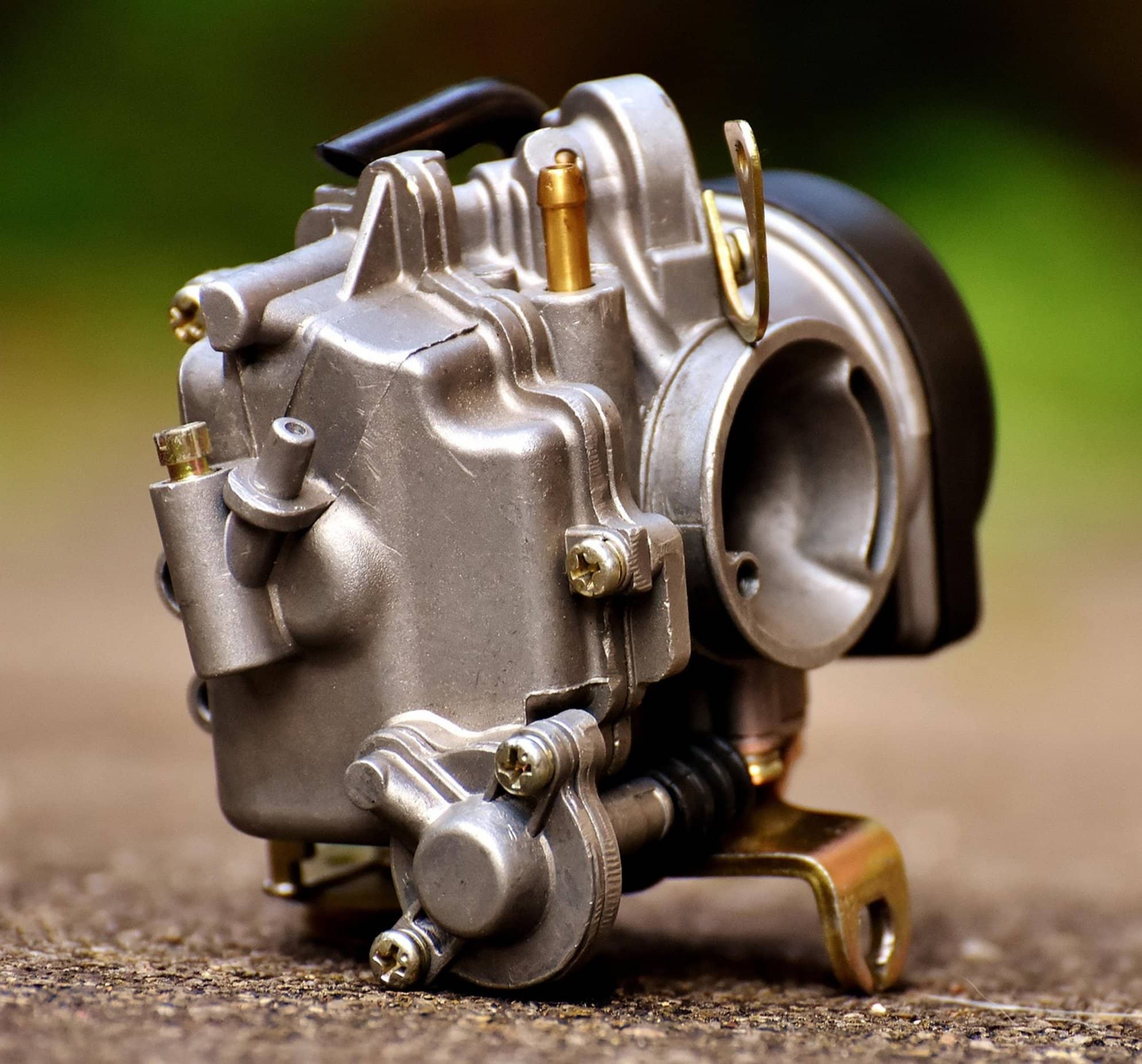
Fuel problems are often the silent killers and worst enemy of small engines. Old gas won’t be helped by a new battery. Stored gasoline goes bad fast; it will form varnish, which gums up the jets inside the carburetor.
And if your mower was sitting idle over the winter without any stabilization added to the tank, chances are good the carburetor is gunked up. There’s air and there’s spark, but no fuel can gets into the engine. As it attempts to turn on, you may hear it trying to cough just a little bit.
Time for fuel replacement or carburetor cleaning. Not fun, but less expensive than a whole new mower. For the upcoming season, always fill with fresh gas.
Replace Worn Spark Plugs
Another simple weak link is the spark plug. Over time they deteriorate as electrode wears down and gap increases. A faulty spark plug won’t fire the air-fuel mix even if you have a brand-new battery and perfect fuel.
Remove the spark plug and check it. Is it sooty or black? Is the gap excessive?
Replace it. You can do this for under five bucks. Just because the mower ran last season doesn’t mean it’s okay now.
Spark plug wear builds up and is bound to happen.
Verify Neutral Safety Switch
Lastly, inspect the neutral safety switch on the gear shift. The mower won’t start if it’s in gear.
Check to see that you’re in park or neutral (depending on make/model). Sometimes these switches gets knocked out of alignment or simply stop working altogether. Adjusting slightly may do the trick.
Troubleshoot each system one step at a time. You’ll have the mower running soon enough. It would of been better to check earlier.
Actualy, it is moddern times that people forget this stuff. The mowers is often different than they used to be and can absorbs more dirt. Making sure you recieve parts correctly is important too.
Don’t let the machine whine about a bad battery when its just the seat. It should of been checked more regularily.