Ever used a sub-par tool? Chances are, you’ve heard it go. It starts with a high pitch whine, followed by chunk of wood hitting floor.
That’s right; it’s time for a new miter saw. You need one that remain square and cuts through cleanly without causing arm fatigue. Enter the Ironton miter saw.
Ironton doesn’t carry the same pedigree as Festool or a pro-grade Makita, nor do they sits beside them at the home improvement store. Instead, they’re the workhorse of big box stores, a tool intended to get the job done while keeping price down. Is this what you expect from a tool or will it hold you back?
Reviewing the Ironton Miter Saw Performance
What to Expect from an Ironton Miter Saw
Everyone thinks that the inexpensive version of something is simply a cheaper knock off of pricey item. Nope! The difference is how easy it adjust, what the casting are like and the quality of motor.
A saw like an Ironton is a gateway into serious wood working. For many DIY’ers, this is their first true power tool. You can set the tone in your shop with it.
Do they makes a nice cut? Will you learn to cut angles? Is the table rigid?
Will you build more? This isn’t really a spec sheet review of a saw. It’s about reality of livig with one of these tools doing real world work.
Motor Performance and Vibration Issues
Ironton’s miter saw has a fine motor. It’ll turn spinning wood like lumber all day long, but hardwoods requires finesse. For that stuff you’ll need something more robust.
But you’ll see, it will run two-by-fours and regular trimmery just fine. The blade gets up to speed fast enough to maintain the pace of work. But it won’t endure prolonged use without showing its age: the motor housing is considerably light-weight compared to those on pro units.
This translates to more vibration being transferred through the base. You’ll notice it in your hands as you feel the vibration. You’ll also notice it when making precise beveled cuts; because it makes that type of cut slightly less accurate.
Accuracy Problems and Adjustments
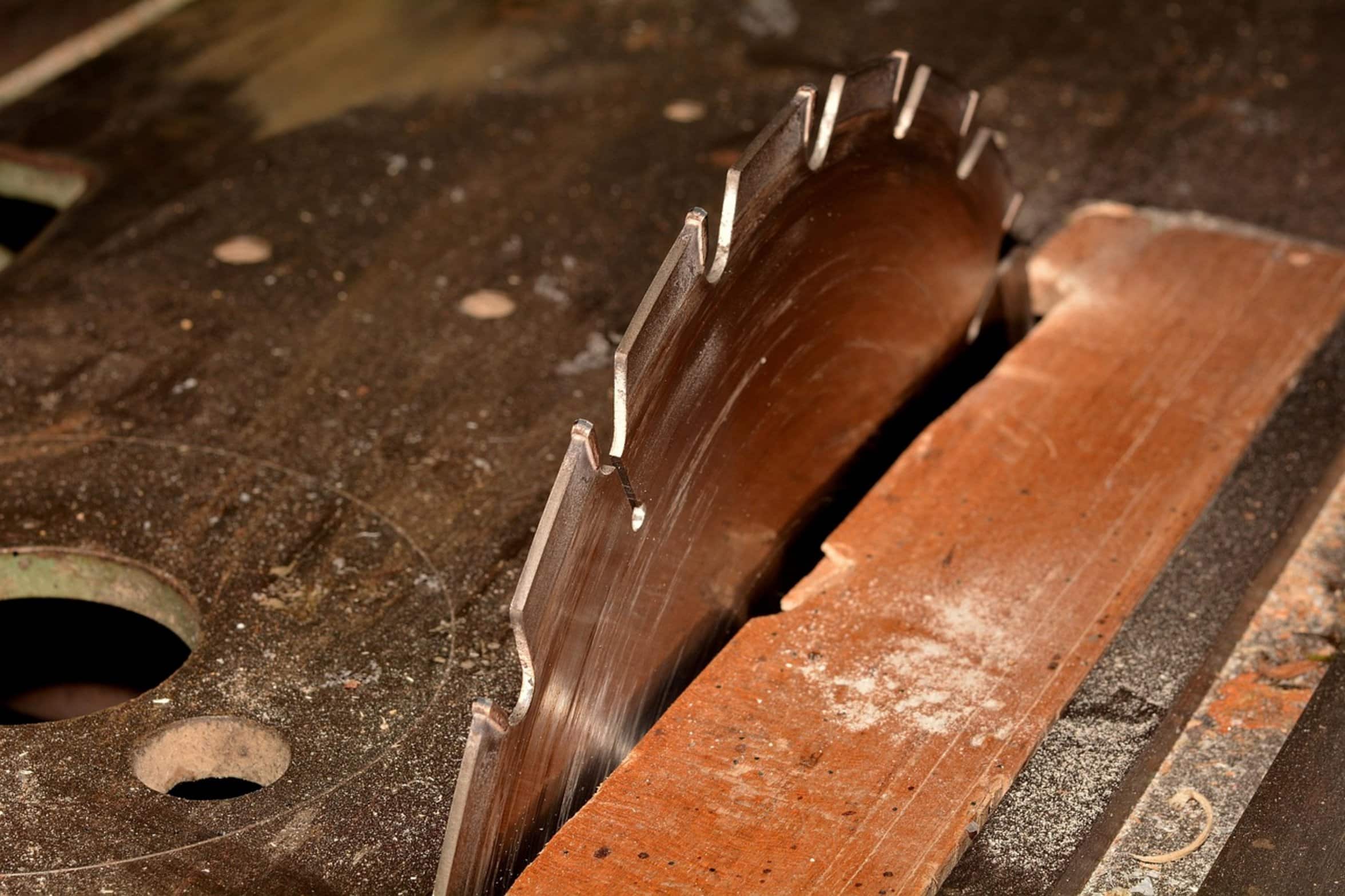
If you’re framing, no biggie. But if you’re doing detailed crown molding work, you’ll need to include the shake. The cuts are not accurate out of the box; they’re never right on.
Most Ironton models has a slight lean to them from the factory. That’s just what happens when you buy one off the shelf. To adjust it, all you get are some simple metal knobs.
If you crank ‘em down hard enough, they’ll slip. So make sure to double-check each cut before committing to final product. There are detents at common angles (fifteen and twenty-two degrees) but they aren’t always tactile.
Sometimes you’ll feel a bump. Other times you won’t. It depends on how worn the gears inside is.
For a weekend project, maybe that’s fine. But for a production run of baseboards? Frustrating.
You’ll end up spending more time measuring than cutting.
Base Stability and Mounting Tips
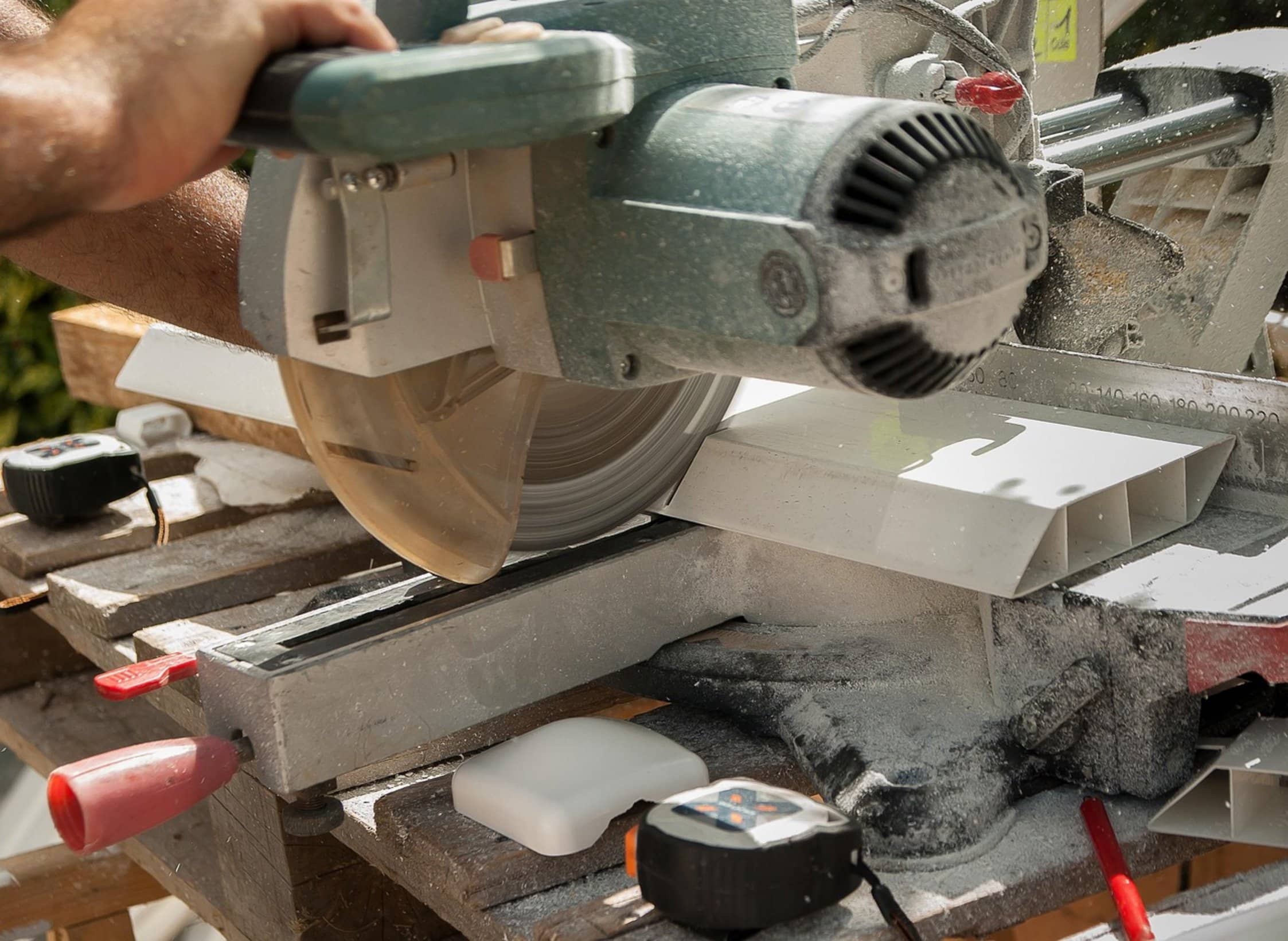
Another debate is about base stability. The plate is made of thin steel.
Squeeze down on handle and you can feel it give way. That creates some variation in your cut line. Mounting this saw to a solid work bench will help reduce that effect.
For critical cuts don’t leave it standing on the plastic stand by itself. For rough framing or just storage, no problem with the stand. But as precision cutting platform?
No. Plan on spending a few bucks on a decent mount if you’re going to pick up this saw. The actual tool is quite compact. It fits into a corner of a small garage nicely.
That’s one of its strengths (it’s portable). But for that small footprint you give away rigidity. What’s important in your space?
Maintenance and Safety Features
Switching blades is simple, although not instantaneous. The arbor nut is exposed, but getting to it is difficult because of the housing design. You’ll likely get your hands into things.
We recommend wearing gloves. Luckily, the blade guards recede nicely. A lot of low-end saws feature crappy guards that bind up.
All-in-all, Ironton leans toward getting safety aspects correct while precision aspects lag behind. That’s par for the course. It’s all about meeting minimum expectations with no frills or fancy ergonomics.
Get the job done, without breaking the bank. Works fine. Doesn’t feel like luxurios.
You’re purchasing a machine, not a pampering.
Who Should Buy This Saw
Bottom line: Should you buy it? Yes, if you are a homeowner who occasionally needs to do some repairs around house.
Yes…it can get the job done. Yes…it’s durable enough for light to medium duty projects. Yes…the price will allow you to take risks with your project.
Yes…you don’t care if you scratch it up. No…if you’re building fine furniture or cabinets, look somewhere else. You’ll be frustrated by the lack of precision and stiffness in this tool.
No…this isn’t a starter tool for that purpose. This is a starter tool for learning the basics of crosscutting. No…don’t expect it to perform miracles.
It’s not a scalpel; it’s a hammer. And sometimes, you just need a hammer.