For pros, this type of frustration is unique to Milwaukee M12 platform. You’re reaching into a small space, be it a crowded cabinet frame or an engine bay, looking for your trusty little ratchet and what do you find? You find a silent crank, a ratcheting motion that’s all over the place, or some other sign that something just isn’t right.
Diagnosing Common Milwaukee M12 Ratchet Problems
Diagnosing Mechanical Complexity
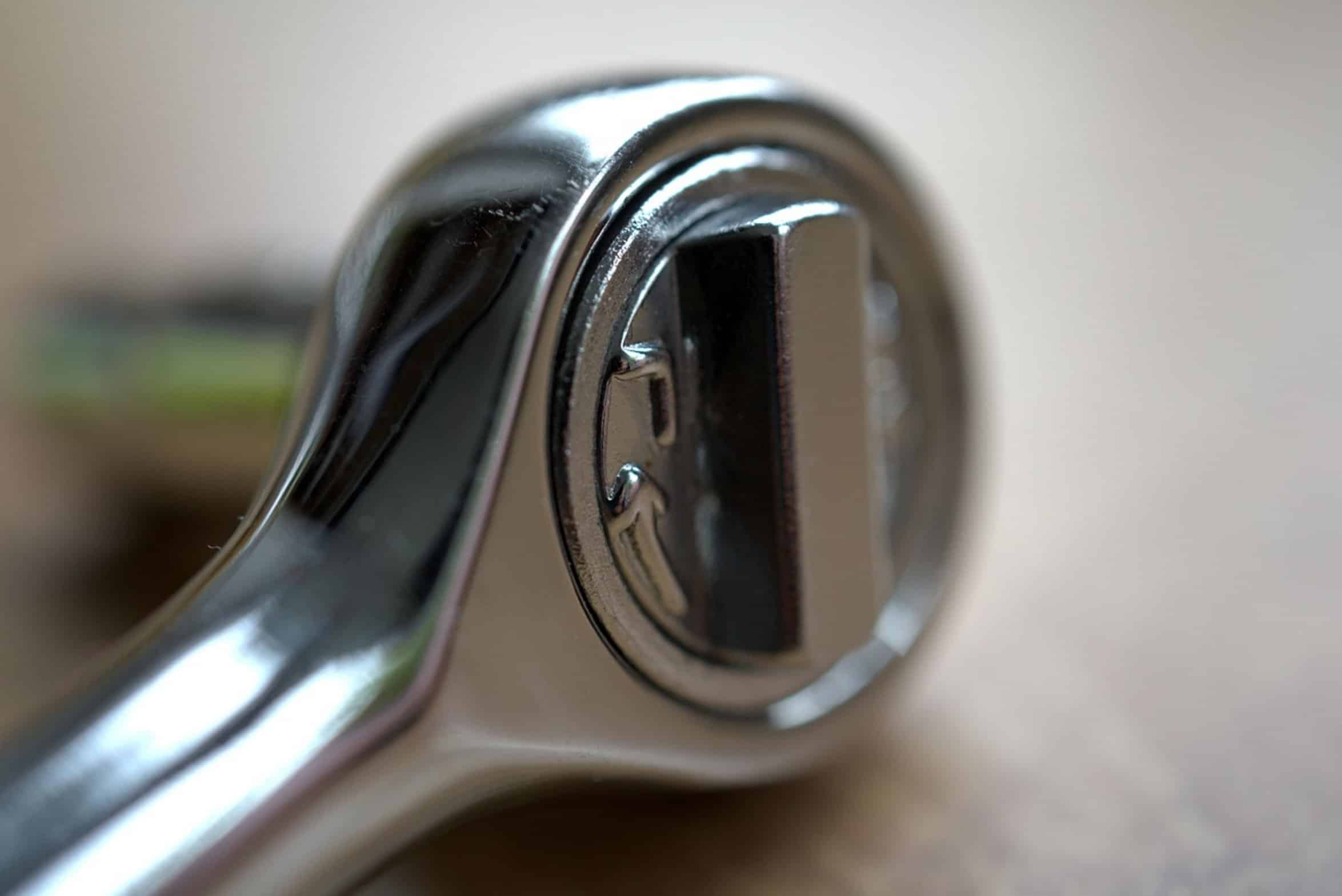
They’re built for power and speed and that engineering translate into mechanical complexity. When one fails it doesn’t tend to be earth shattering. More often than not it’s a gradual deterioration in functionality.
It isn’t that difficult Knowing why your ratchet is acting up mean no more unnecessary runs to dealer. But more importantly it will keep you from wasting hours and destroying a project by stripping out fasteners. Ratchets is precision instruments, not blunt force objects.
They don’t usually act up because of a manufacturing defect, but because we are using them incorrecty. If your tool is acting up, you must look past the obvious and understand what’s going on inside the power transmission and the gear train. That’s where the diagnosis begin.
Ratcheting Mechanism Dirt Buildup
By far the leading issue are with the ratcheting mechanism itself. People are saying the head is sluggish or doesn’t seem to take hold well as they change direction. Often it’s not actualy a bad part but rather dirt getting into the mechanism.
There are very fine gears inside the M12 ratchet head that will capture dust, metal shavings or even dried lubricant. That accumulation will cause some drag over time. What you experience is an uncrisp feeling in the click.
Usually it isn’t a tool replacement problem. It’s a clean out issue; use a good contact cleaner and then apply a light grease back in place. Lots of folks don’t do this because they think the tool is sealed forever.
Battery Connection and Power Delivery
The other most common problem is the power delivery or the battery connection itself. The M12 uses very specific voltage signaling from the pack to the tool. So if your tool seem to slow down or hesitate when under load, inspect the battery terminals.
Dirt and corrosion can cause loss of power. It appears like a mechanical problem but it’s strictly an electrical problem. Typically a few swipes of isopropyl alcohol (or even just a dry rag) will have the ratchet working at full torque again.
Don’t let it go; running a tool on weak power can burns out the brushes in the motor and cost you more later on.
Forward Reverse Switching Problems
The forward/reverse switching can be fickle as well. I’ve seen reports where the slider doesn’t seem to hold position or the tool switch back without warning.
Most times this is due to overly aggressive use. The slider mechanism was meant to be manipulated deliberately, not jabbed frantically. Forcing it will cause the internal guide rails to flex and potentially bend out of alignment.
The remedy? Patience. Slide gently and let the gears completely release their grip before reversing.
It sounds trivial, but your muscle memory matter greatly. Retraining your hand help you handle the switch more delicately. This ultimately extends the life of your tool.
Battery Health and Deep Discharges
Another silent culprit is battery health. M12 batteries are powerful but sensitive to deep discharges. A degraded battery could make your ratchet seem like it’s not as strong than it once was.
That’s particularly true of older packs stored improperly. Leaving a battery on empty for months or storing it in cold temperatures can kill its capacity. Maybe you’re thinking the tool has gone bad but the real culprit is power source.
Try it with a known good battery before condemning the ratchet. A simple swap means there is no need to buy a replacement tool you don’t really need.
Socket Fit and Anvil Damage
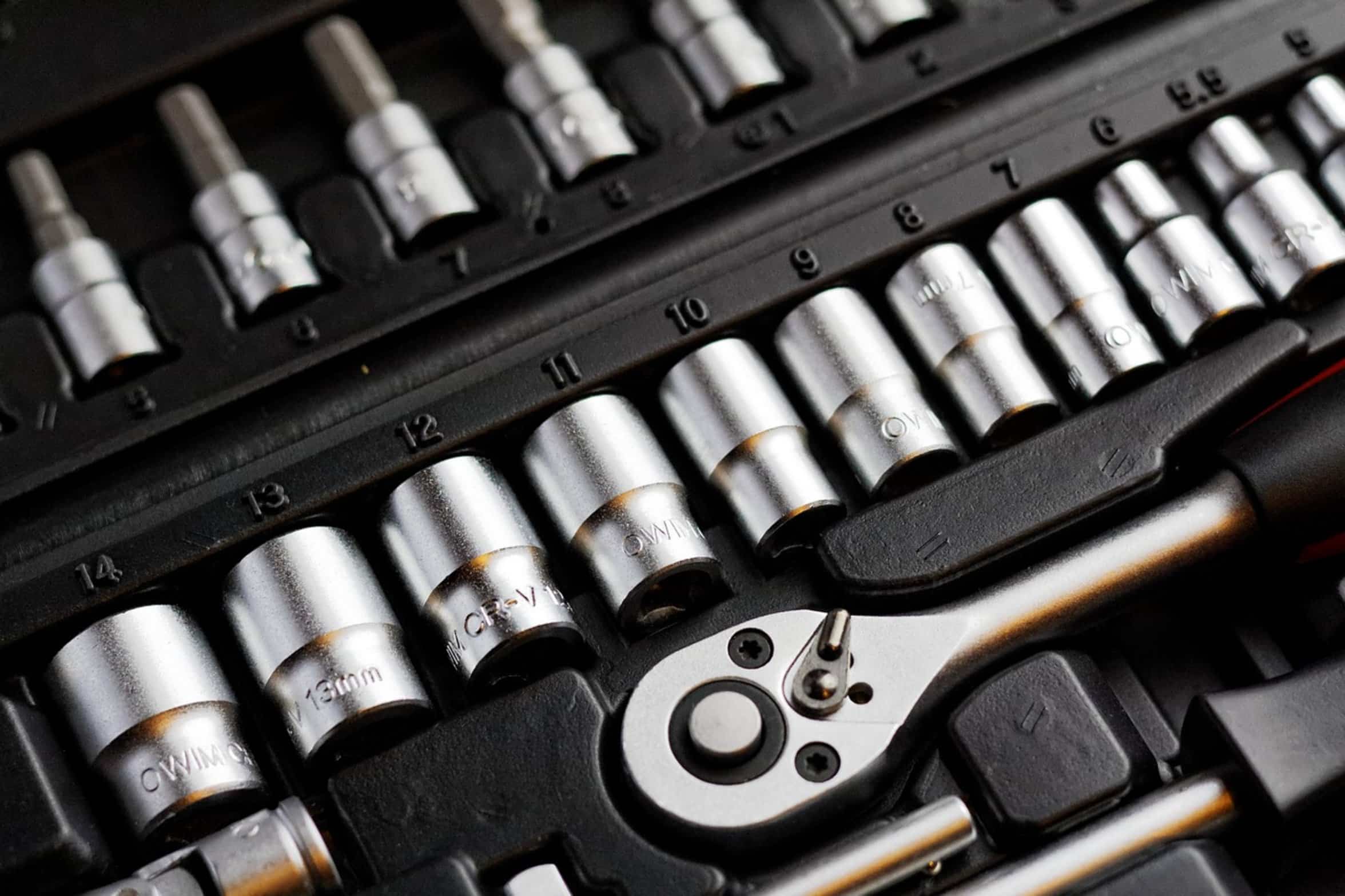
Lastly think about socket fit.
If you slip or otherwise damage the head it is because there was not a good fit between the socket and the ratchet. Using off-brand or worn sockets with the Milwaukee square drive design can cause them to slip and damage the head. Worn out sockets or even off-brand ones can chew up the anvil on the ratchet.
You’ll feel some wobble or play in the head then. Take care of all your socket and keep them clean and free of damage. It is a vicious cycle.
Chewed up sockets chew up the anvil and then damage the ratchet too. Take care of your accessories like you do your power tools. A solid piece of equipment, the Milwaukee M12 ratchet deserves your respect.
But that does not mean it is bulletproof. Clean it, care for its electrical connection, and treat it well to keep it running like new. Care for it and you will get that certain torque return and click.
And once you know how the machine works, the frustration subsides.