There you is standing at your table saw with a board to cut a groove into, and there’s that dado stack in the blade tray looking like an array of high-priced washers. They’re supposed to cut a clean groove so you can make a perfect fit for joinery… But at what risk?
That’s why many woodworkers balk when it comes time to install those blades: they’ve heard all the cautionary tales. Are you risking anything by doing so? Yes.
Understanding Dado Blade Safety Risks
Why Dado Stacks Are Risky
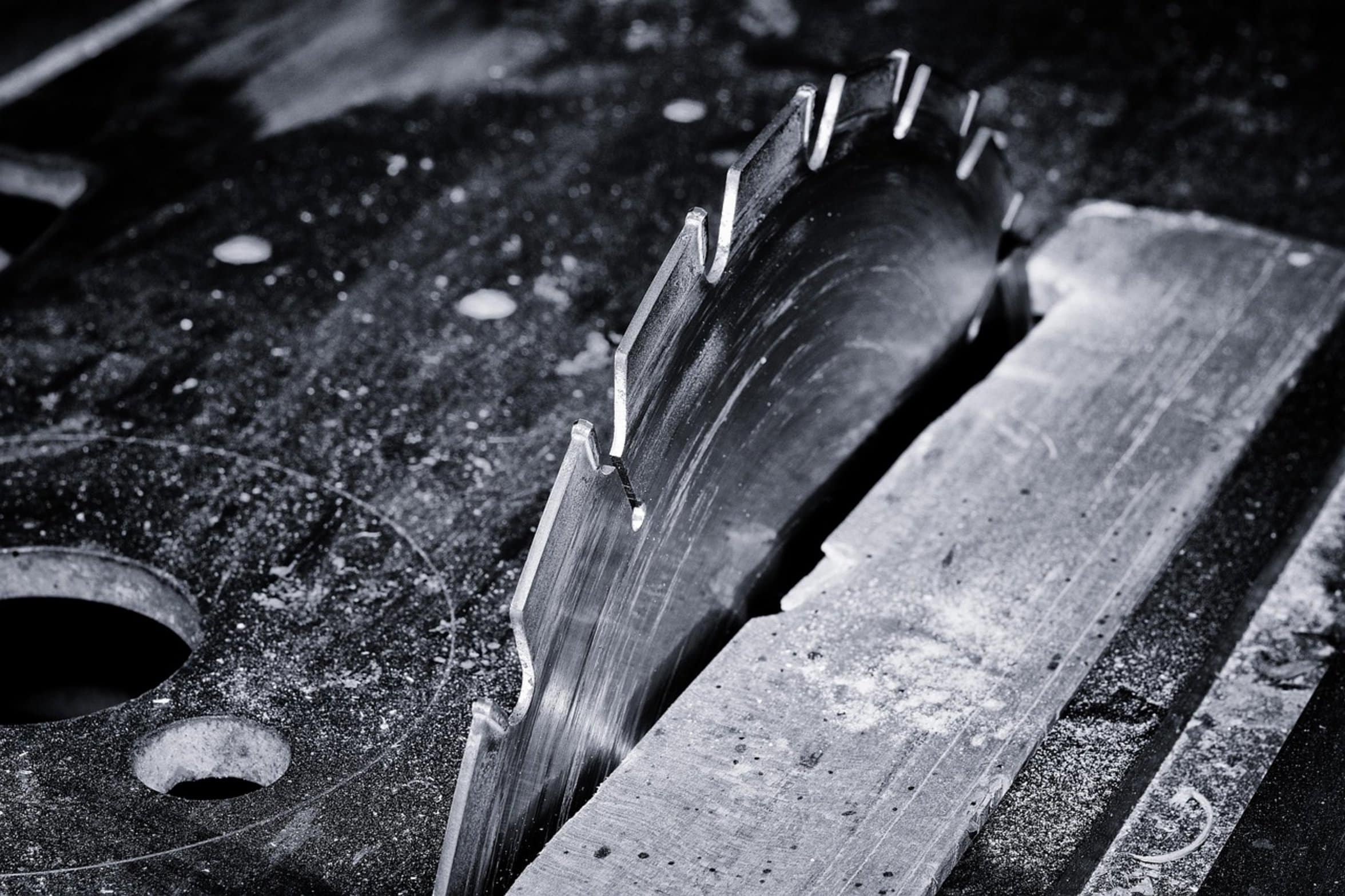
They are more risky then a traditional rip blade. It is not because they’re jinxed, but because of laws of physics. Because there’s more friction due to their thicker cut, there’s also more heat and a greater chance of them trying to bind.
If they bind, they kick. And if they kick, your well-behaved cut becomes a battle for finger safety. Before trusting your digits with them, you’ve got to learn what makes ’em tick.
Remember: The geometry of a dado stack alter the way the saw engages the wood. A standard blade is thin; it slices into the wood with little resistance. Because a dado blade is thick, it gouges out a broad channel in one pass.
How Physics Causes Kickback
The saw’s working harder because you’re taking a lot more material off per revolution, and the blade is producing more heat. Binding the wood against that thick face will cause the saw to throw it back at you. You can’t ignore that it’s a mechanical reality.
Torque Requirements for Your Saw
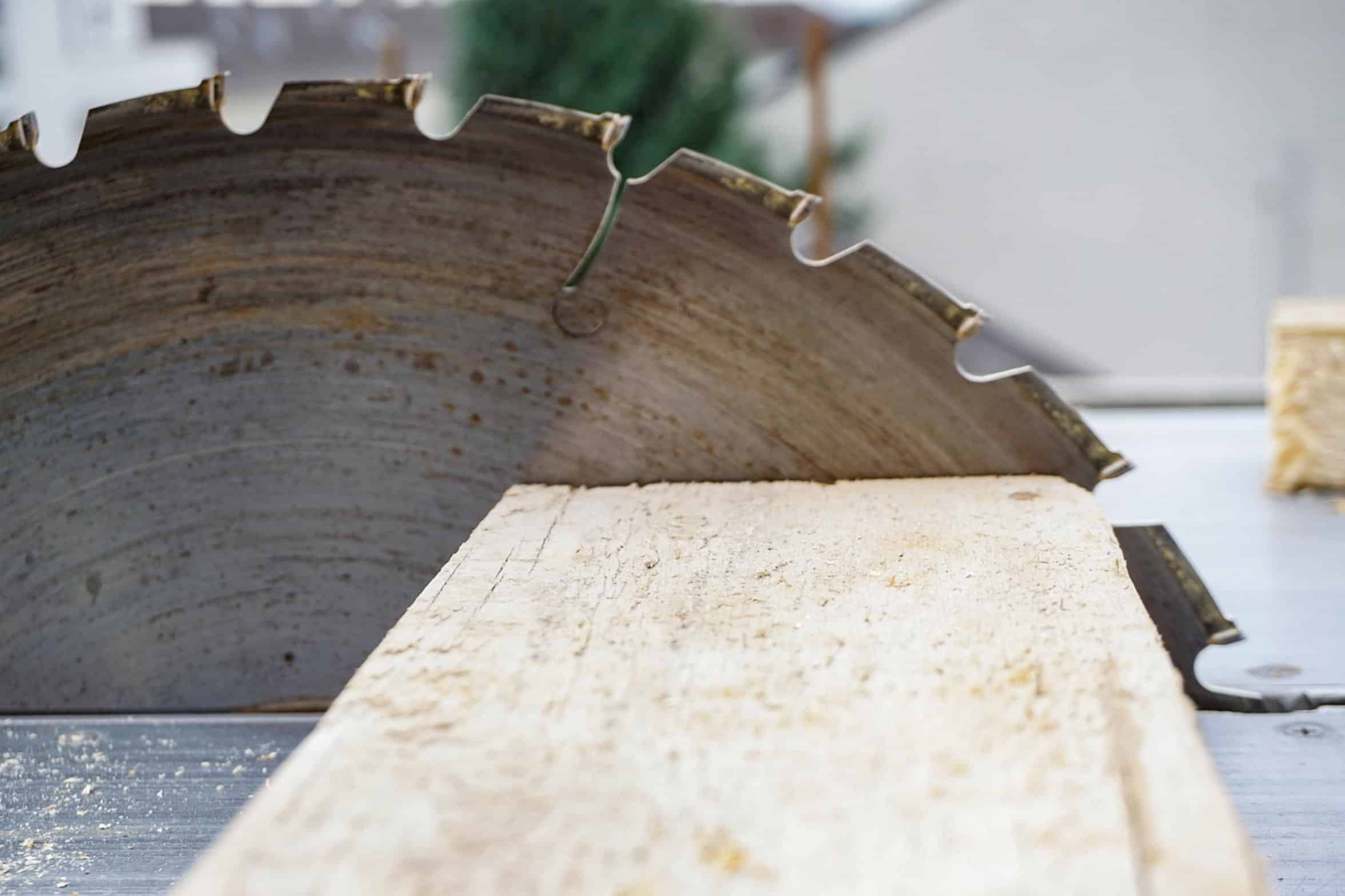
Torque: You need a saw with enough torque to maintain speed under load. The reason power matters (more than you’d expect) is that most contractors’ saws are pretty light and have about 1.5 hp engines. These tend to bog down when cutting wide pieces of lumber and slow the blade.
When the blade hesitates, it grabs at wood rather than slicing through it… And that’s what happens when you get a piece of wood in your face. You want a saw that has enough torque to keep up its speed while making a cut.
High quality saws like a Delta table saw or a Rockwell Powermatic will do just that; they don’t lose RPMs under load. Cheap saws do. And if you’re trying to use a dado stack on an under-powered saw, the engine will choke and the blade will stall out.
Choosing Between Stack and Wobble Blades
Safety margin comes into play with blade type. There’s two primary choices here. First choice is what I call a three blade stack, so you’ve got two outer blades and then either one or two chippers between them.
This gives you versatility, you can cut anywhere from a half an inch up to 13/16 inch wide depending on whether you add chipper(s) or remove them. But it’s also where the majority of accidents occur. Chippers are relatively thin.
They flex. And if you get too aggressive, they’ll bend. When blades bends, they begin rubbing on the wood.
Rubbing creates heat. Heat creates smoke. The second choice is the wobble blade.
It is a single blade that sort of oscillates when it rotates. So it cuts a very wide groove. It has no chippers, so for some people this makes it a safer blade because there’s no flexing in the middle.
It is not adjustable but remains consistent. Your main control knob is depth of cut. You never want to take a full width cut in one pass.
Safe Cutting Techniques
That’s the rule and you have to do it in multiple passes. Your depth should not exceed half the thickness of the blade in one pass. For example, if you’re going for a 13/16 inch groove, take three passes and raise the blade up slightly between cuts.
This keeps the blade spinning fast which means slicing vs grabbing. Slow spinning blades grab and most injuries occur when folks try to be fast and take full cut. It’s also safer to keep your motor from being loaded down.
Essential Safety Gear and Setup
Before flipping the switch, everything has to be perfect. Teeth can’t be dull. Dull blades don’t cut; they tear the wood.
Torn wood catches on face of the blade, which then starts the kickback process. So get and keep those Freud or Forrest dado stacks nice and sharp. And always engage the featherboard to hold the workpiece tightly against the fence.
The fence guides the wood, while the featherboard keeps it there. When the wood wanders off the fence, the kerf increases and blade pinches the wood. Which means it’s time for violent ejection.
So support your outfeed and secure your stock. Never release the push stick, as the blade only reacts to speed and pressure. Treating dado blades as any other blades can prove to be deadly.
They ask only to be respected in terms of their power and their sheer size. Using a strong saw reduces the risk, and making small cuts reduces the danger. Using proper hand technique and a sharp blade protects your fingers.
Cut the groove perfectly and keep all fingers intact. Be mindful however, hasty cuts are not forgiven by the blade. Respect its power and its width, and it will cut cleanly every time.